
- Introduction: Simple Guide To Traditional Thai Herbal Remedies
- What Are Traditional Thai Herbal Remedies?
- Common Thai Herbs Used In Everyday Wellness
- Simple Thai Home Remedies You Can Make At Home
- Thai Herbal Remedies For Digestive Comfort
- Thai Herbal Remedies For Skin Care
- Thai Herbal Remedies For Hair Care
- How To Prepare Thai Herbal Remedies Safely
- How To Store Homemade Thai Herbal Remedies
- How To Start Your Thai Herbal Wellness Routine
- Conclusion
- FAQ
- What are traditional Thai herbal remedies?
- Are Thai herbal remedies safe?
- What are the most common Thai herbs for beginners?
- Can I make Thai herbal remedies at home?
- Can I use Thai herbal remedies with modern medicine?
- How long do Thai herbal remedies take to work?
- Can Thai herbal remedies help with digestion?
- How should I store dried Thai herbs?
Introduction: Simple Guide To Traditional Thai Herbal Remedies
Traditional Thai herbal remedies have been used for generations as part of everyday wellness in Thailand. Many Thai homes use simple natural ingredients such as ginger, turmeric, lemongrass, galangal, coconut oil, honey, and kaffir lime leaves in teas, balms, meals, and home care routines.
These remedies are not meant to replace professional medical treatment. Instead, they can be seen as gentle wellness practices that may support digestion, relaxation, skin care, hair care, and general daily comfort.
In this guide, you will learn what traditional Thai herbal remedies are, which ingredients are commonly used, how to prepare simple remedies at home, and how to use them safely.
👉 “To see how these ingredients grow and appear in daily Thai life, explore this Thai Herbal Garden.”
What Are Traditional Thai Herbal Remedies?
Traditional Thai herbal remedies are natural preparations made from herbs, roots, spices, oils, fruits, and other plant-based ingredients. They are often used in Thai wellness culture together with massage, balanced meals, rest, meditation, and a healthy daily routine.
The main idea behind many Thai wellness practices is balance. Herbs are often chosen based on their warming, cooling, soothing, or refreshing qualities. For example, ginger is often used in warm drinks, lemongrass is popular in teas and steam treatments, and turmeric is commonly used in both food and skincare.
Thai herbal remedies can come in many forms, including:
- Herbal teas
- Infused drinks
- Herbal compresses
- Simple pastes
- Natural face masks
- Hair and scalp treatments
- Herbal cooking ingredients
For beginners, the best approach is to start simple. Use familiar ingredients, prepare small amounts, and pay attention to how your body reacts.
Common Thai Herbs Used In Everyday Wellness
Many traditional Thai remedies use ingredients that are also common in Thai cooking. This makes them easy to find and simple to use at home.
Ginger
Ginger is one of the most popular ingredients in Thai and Asian wellness traditions. It has a warm, spicy taste and is often used in tea, soups, stir-fries, and herbal drinks.
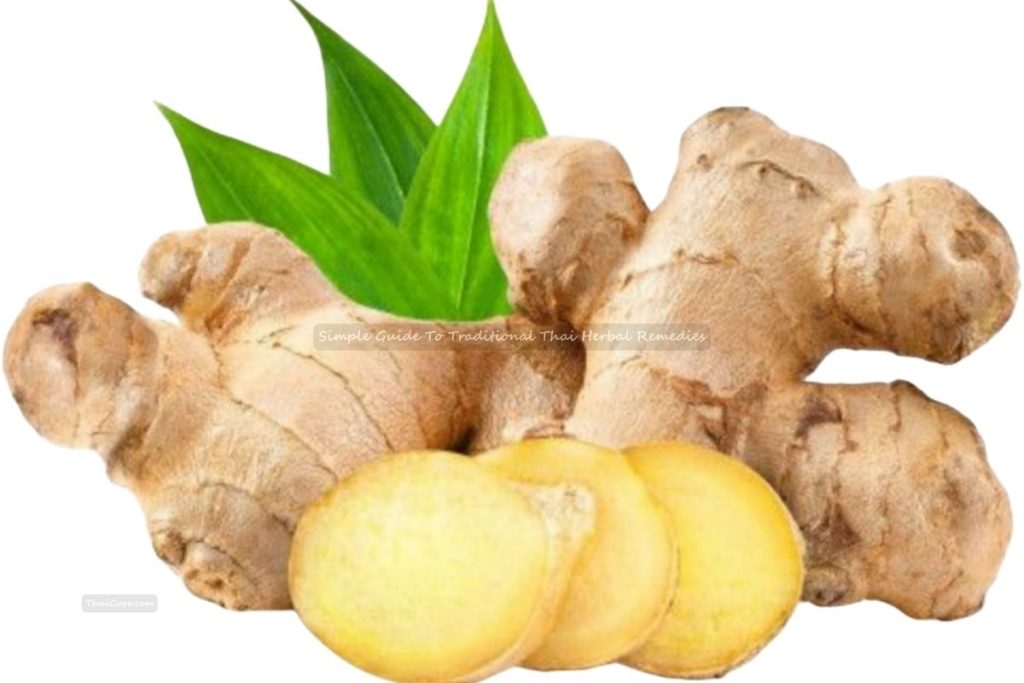
Many people enjoy ginger tea after meals because it feels warming and comforting. It is also commonly used when people want a simple drink for digestive comfort or relaxation.
Turmeric
Turmeric is one of the most familiar herbs in Thai wellness and cooking. It has a bright yellow color, an earthy taste, and is often used in soups, warm drinks, herbal pastes, and simple skincare routines.
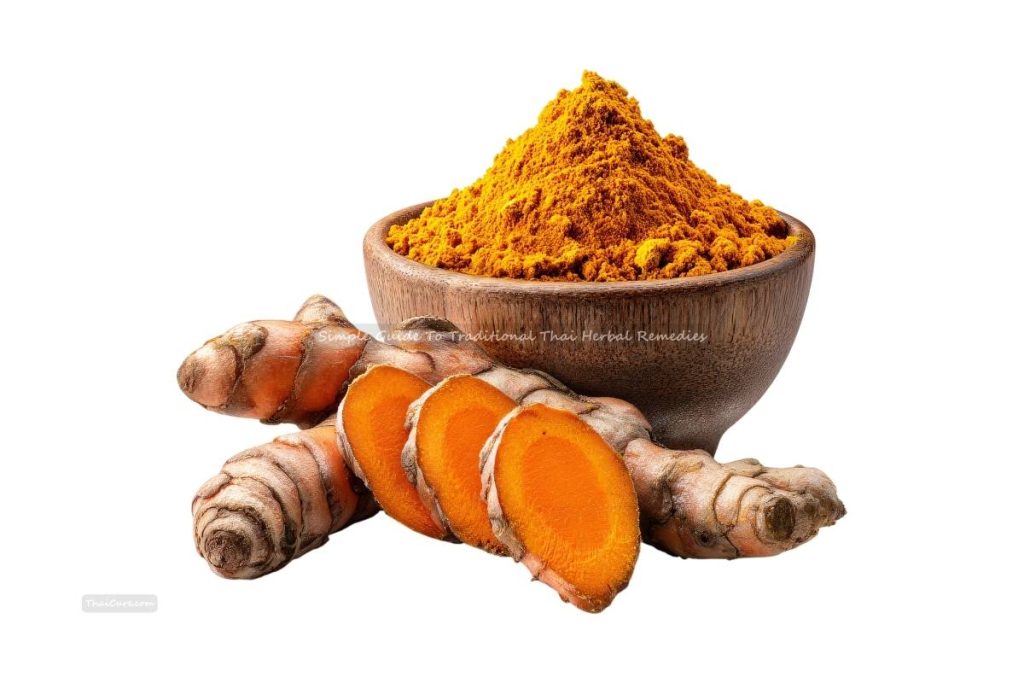
In Thai home remedies, turmeric is often mixed with ingredients such as honey, coconut oil, rice flour, or warm water. Because turmeric has a strong color and flavor, beginners should start with a small amount. It can also stain skin, clothes, and kitchen surfaces, so it should be used carefully.
Lemongrass
Lemongrass has a fresh citrus-like aroma and is common in Thai soups, teas, and herbal steam practices. It is one of the easiest Thai herbs to use at home.
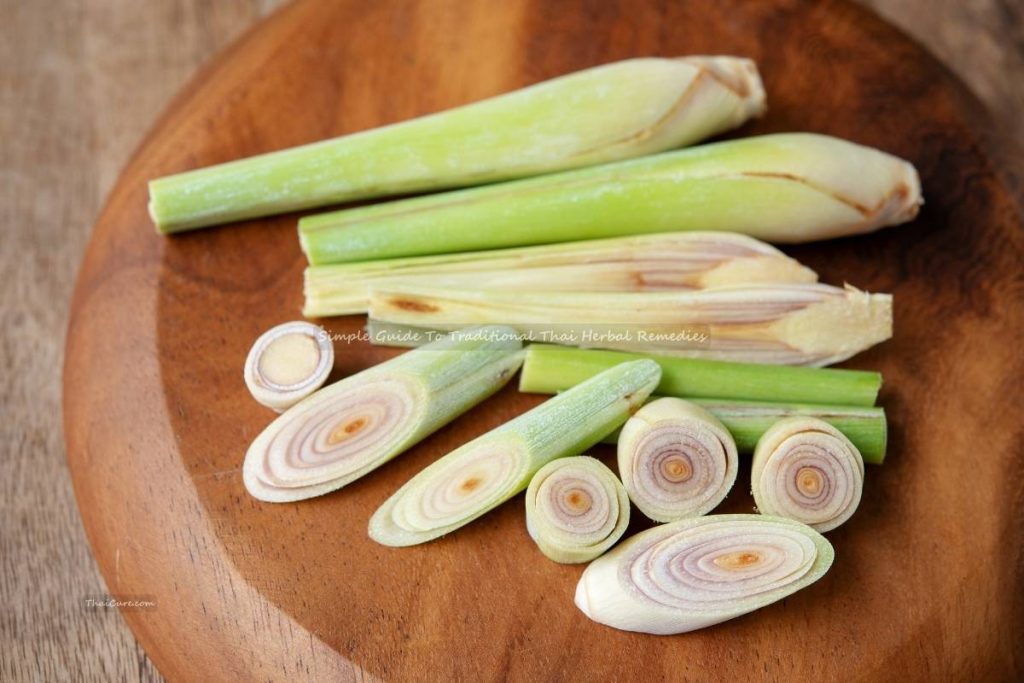
Lemongrass tea is light, refreshing, and simple to prepare. It can be enjoyed warm or cold and is often used as part of a calming evening routine.
Galangal
Galangal looks similar to ginger but has a sharper, more peppery taste. It is often used in Thai soups and herbal blends.
Because galangal has a strong flavor, beginners should use it in small amounts. It works well in teas, broths, and herbal cooking.
Kaffir Lime Leaves
Kaffir lime leaves are used in many Thai dishes for their strong citrus fragrance. They are often added to soups, curries, and herbal preparations.
The leaves are usually not eaten whole but are used to add aroma and flavor. They can also be used in herbal steam or bath routines.
Pandan
Pandan leaves are known for their soft, sweet aroma and are often used in Thai desserts, drinks, and home wellness routines. They are not as spicy as ginger or galangal, which makes pandan a gentle beginner-friendly herb for simple Thai herbal drinks.
One easy way to use pandan is to make pandan tea. Wash a few fresh pandan leaves, tie them into a knot, and boil them in water for 5–10 minutes. The result is a light, fragrant drink that can be enjoyed warm or chilled.
Simple Thai Home Remedies You Can Make At Home
Here are a few simple Thai-inspired remedies that beginners can try at home. Use fresh, clean ingredients and start with small amounts.
Ginger Tea For Everyday Comfort
Ginger tea is one of the easiest Thai home remedies to prepare.
Ingredients:
- Fresh ginger root
- 1 cup of water
- Honey, optional
How to make it:
- Wash and peel a small piece of fresh ginger.
- Slice it thinly.
- Boil the ginger in water for 5–7 minutes.
- Strain the tea into a cup.
- Add a little honey if desired.
Drink it warm after meals or in the evening. If you are sensitive to spicy flavors, use less ginger.
Lemongrass Tea For A Refreshing Daily Drink
Lemongrass tea is light, fragrant, and easy to make.
Ingredients:
- 1–2 stalks of fresh lemongrass
- 2 cups of water
- Honey or lime, optional
How to make it:
- Wash the lemongrass and cut it into smaller pieces.
- Lightly crush the stalks to release the aroma.
- Boil in water for 5–10 minutes.
- Strain and serve warm or chilled.
This is a good beginner-friendly herbal drink because the flavor is gentle and refreshing.
Turmeric And Honey Drink
Turmeric and honey can be combined into a simple warm drink.
Ingredients:
- 1/4 teaspoon turmeric powder
- 1 cup warm water
- 1 teaspoon honey
- A small squeeze of lime, optional
How to make it:
- Add turmeric powder to warm water.
- Stir well.
- Add honey and lime if desired.
- Drink slowly while warm.
Use a small amount of turmeric at first. Too much can taste bitter and may not suit everyone.
Thai Herbal Remedies For Digestive Comfort
Many Thai herbal remedies focus on digestion because herbs and spices are a natural part of Thai meals. Ginger, lemongrass, galangal, and peppermint are often used in warm drinks or light herbal blends.
A simple digestive tea can be made with:
- Fresh ginger
- Lemongrass
- A small piece of galangal
- Honey, optional
Boil the herbs in water for 5–10 minutes, strain, and drink warm. This type of tea is best used as a gentle wellness drink, not as a treatment for serious digestive problems.
If you have ongoing stomach pain, severe bloating, vomiting, diarrhea, or any long-term digestive issue, it is better to speak with a healthcare professional.
Thai Herbal Remedies For Skin Care
Thai herbal ingredients are also popular in natural skincare. Rice flour, turmeric, honey, and coconut oil are often used in simple face masks.
Rice Flour, Honey, And Turmeric Face Mask
Ingredients:
- 1 tablespoon rice flour
- 1 teaspoon honey
- A very small pinch of turmeric powder
- A little water if needed
How to use it:
- Mix the ingredients into a smooth paste.
- Apply a thin layer to clean skin.
- Leave it on for 5–10 minutes.
- Rinse gently with warm water.
Always do a small patch test first. Turmeric can stain the skin temporarily, so use only a tiny amount.
Thai Herbal Remedies For Hair Care
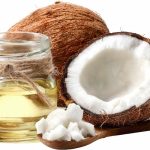
Coconut oil is widely used in Thai and Southeast Asian hair care routines. It can help soften dry hair and make it easier to manage.
Coconut Oil Hair Treatment
Ingredients:
- 1–2 tablespoons coconut oil
- A few drops of lemongrass-infused oil, optional
How to use it:
- Apply a small amount of coconut oil to the ends of your hair.
- Leave it on for 20–30 minutes.
- Wash your hair with shampoo.
Avoid applying too much oil to the scalp if your hair gets oily easily. Start with a small amount and adjust as needed.
How To Prepare Thai Herbal Remedies Safely
Thai herbal remedies are simple, but safety is still important. Natural does not always mean safe for everyone.
Prepare your Thai herbal remedies in a clean, dry space. Use clean knives, cups, jars, strainers, and spoons. If you make herbal teas, oils, masks, or pastes, label them with the ingredients and the preparation date.
This is especially useful if you prepare more than one remedy at a time. Clear labels help you avoid confusion and make it easier to know when something should be used or thrown away.
Before using herbal remedies, keep these tips in mind:
- Use clean tools and fresh ingredients.
- Start with small amounts.
- Do a patch test before using herbs on your skin.
- Avoid ingredients that cause itching, redness, stomach discomfort, or allergic reactions.
- Do not use herbal remedies as a replacement for prescribed medicine.
- Ask a healthcare professional if you are pregnant, breastfeeding, taking medication, or managing a health condition.
Some herbs may interact with medication or may not be suitable for certain people. If you are unsure, get professional advice before using them.
How To Store Homemade Thai Herbal Remedies
Fresh herbal remedies are usually best used right away. If you prepare more than you need, store them carefully.
- Keep dried herbs in airtight containers.
- Store herbs in a cool, dry place away from sunlight.
- Keep homemade teas in the refrigerator and use them within 24 hours.
- Do not use remedies that smell strange, change color, or show signs of mold.
- Label jars clearly if you prepare herbal blends at home.
Good storage helps keep herbs fresh and reduces the risk of contamination.
How To Start Your Thai Herbal Wellness Routine
If you are new to Thai herbal remedies, do not try too many things at once. Start with one simple habit and build from there.
For example, you can begin with:
- Ginger tea after meals
- Lemongrass or pandan tea in the evening
- A gentle rice flour face mask once a week
- Coconut oil for dry hair ends
- Adding turmeric or galangal to cooking
The goal is not to create a complicated routine. The goal is to use simple Thai herbal practices in a safe, realistic, and enjoyable way.
The easiest routine is the one you can repeat. Start with one small habit, see how it fits your lifestyle, and then slowly add more Thai herbal practices if they feel useful for you.
👉 “Many Thai herbs are also used in self-care routines, especially in Thai Beauty Rituals For Natural Skincare.”
Conclusion
Traditional Thai herbal remedies offer a simple and natural way to bring Thai wellness practices into daily life. Ingredients like ginger, turmeric, lemongrass, galangal, coconut oil, honey, and rice flour can be used in teas, skincare, hair care, and gentle home routines.
For beginners, the best approach is to keep things simple. Start with one or two easy remedies, use clean ingredients, and pay attention to how your body responds. When used carefully, Thai herbal remedies can become a calming and enjoyable part of everyday wellness.
FAQ
What are traditional Thai herbal remedies?
Traditional Thai herbal remedies are natural preparations made from herbs, roots, spices, oils, and other plant-based ingredients. They are often used as part of Thai wellness routines for comfort, balance, and daily self-care.
Are Thai herbal remedies safe?
Many Thai herbal remedies are gentle when used properly, but they are not safe for everyone. Some herbs may cause allergies or interact with medication. Start small and speak with a healthcare professional if you have health concerns.
What are the most common Thai herbs for beginners?
Good beginner-friendly Thai herbs include ginger, lemongrass, turmeric, galangal, and kaffir lime leaves. These are common in Thai cooking and simple herbal drinks.
Can I make Thai herbal remedies at home?
Yes, many simple Thai herbal remedies can be made at home using fresh ingredients, clean tools, and basic preparation methods such as boiling, steeping, or mixing into a paste.
Can I use Thai herbal remedies with modern medicine?
You should be careful. Some herbs can interact with medicine. If you take prescription medication or have a medical condition, ask your doctor or pharmacist before using herbal remedies regularly.
How long do Thai herbal remedies take to work?
It depends on the person and the remedy. Some people may feel comfort from a warm herbal tea right away, while other wellness habits may take longer. Herbal remedies should be used gently and realistically.
Can Thai herbal remedies help with digestion?
Some Thai herbs, such as ginger and lemongrass, are commonly used in drinks after meals. They may feel soothing for some people, but they should not be used to treat serious or ongoing digestive problems without medical advice.
How should I store dried Thai herbs?
Store dried herbs in airtight containers in a cool, dry place away from direct sunlight and moisture. Check them regularly and throw them away if they smell bad or show signs of mold.


