


- Introduction to the Thai Wellness Lifestyle
- Roots of Thai Wellness: History & Philosophy
- 👉 “Want to learn how therapists apply stretching and acupressure? Read our breakdown of Thai Massage TechniquesThai Massage Explained: What It Is and Why It Works
- Thai Herbal Therapies: Nature’s Pharmacy
- Spa Culture in Thailand: From Street-Level to Luxe
- Wellness Retreats in Thailand: Detox, Yoga, Meditation
- Everyday Thai Wellness: Make It Real at Home
- How to Experience Thai Wellness Abroad
- Putting It All Together: A Sample 7-Day Reset
- Safety, Etiquette & How to Choose a Great Practitioner
- Conclusion: Timeless Balance You Can Feel
- FAQs
Introduction to the Thai Wellness Lifestyle
Thailand has long been a sanctuary for seekers of balance—travelers arrive for beaches and cuisine, but stay for the profound sense of calm that everyday life cultivates. In this guide, we’ll unpack the traditions, remedies, and rituals that make Thai wellness unique: temple-taught massage, restorative herbal steam, and home remedies passed down through generations. Right from the start, let’s foreground the phrase many people search for: thai massage benefits. We’ll also frame the landscape of wellness retreats in Thailand so you can see how these practices come together in real life.

Thai wellness isn’t a trend; it’s a living culture. Grandparents teach grandchildren how to make ginger tea for colds. Neighborhood spas sit beside markets filled with lemongrass and kaffir lime. In meditation halls, novices and visitors learn to watch the breath and soften the jaw. This article translates those customs into clear steps you can follow, whether you’re planning a trip or designing a home ritual that feels grounded, respectful, and kind. By the end, you’ll know how to combine touch, heat, movement, and herbs with simple, sustainable routines.
👉 “Want to learn how therapists apply stretching and acupressure? Read our breakdown of Thai Massage Techniques
Roots of Thai Wellness: History & Philosophy
Thai wellness draws from a rich tapestry of influences. Monastic life and Buddhist concepts of compassion and mindful presence shape the caring tone found in family and clinical settings alike. Ayurveda from India and traditional Chinese frameworks intersected with local knowledge to form what is known today as traditional Thai medicine. Healers talk about energy pathways called sen lines—channels along which touch, pressure, and movement can help release stagnation.
Within this holistic worldview, the body, mind, and environment are inseparable. Weather, diet, season, and activity patterns all inform the day’s remedies: a warming ginger soup on rainy days; a brisk, circulation-boosting session when you’ve been sitting too long. It’s here that thai massage benefits were first observed: ease in the joints, calmer breathing, and a quieter mind after rhythmic stretches and pressure. Over centuries, families and temples preserved these methods, teaching them in simple, repeatable sequences that remain accessible today.
👉 “Want to learn how therapists apply stretching and acupressure? Read our breakdown of Thai Massage TechniquesThai Massage Explained: What It Is and Why It Works
If you’ve ever had a Thai session, you know it doesn’t feel like a typical oil-based treatment. Sometimes called Nuad Thai or Thai yoga massage, it’s performed over clothing on a mat or firm table. Practitioners use rhythmic pressure, rocking, and assisted stretches—elbows, knees, and even feet can be part of the choreography. The result is a dynamic, interactive experience that wakes up the whole body. Among the commonly cited thai massage benefits are improved flexibility, relief from muscular tension, better circulation, and deeper breathing.

There are multiple styles under the same umbrella. Northern style is often described as slower and more meditative, while urban schools can be brisk and athletic. Reflexology foot massage—focused on the feet and lower legs—pairs well with desk-bound lives and helps circulation. Tok sen, a wooden-mallet technique from Northern Thailand, uses gentle tapping along the sen lines to coax stubborn areas to release. In clinical settings, targeted acupressure points help address specific complaints such as headaches, shoulder tension, or low-back stiffness.
For athletes and yogis, the stretching component becomes a form of guided mobility training, which is why thai massage benefits are frequently mentioned in sports recovery conversations. Office workers, meanwhile, prize the shoulder, neck, and hip-opening sequences for counteracting hours of sitting. If you’re new to the practice, start with a 60–90 minute session and let your therapist know if you prefer softer or stronger pressure. Over a short series of visits, people often report cumulative changes: easier range of motion, steadier energy, and fewer “stress spikes.”
Therapists also adapt techniques for different populations. Prenatal clients benefit from side-lying positions and gentle rocking that alleviates swelling and back strain. Seniors may receive shorter sessions with more compression and less stretching to avoid overexertion. And if you have an active job, your practitioner might incorporate longer holds for hip flexors and spinal twists to reset posture. Across all these variations, the core experience returns to the same point: thai massage benefits appear as the nervous system settles and muscles re-organize around smoother movement.

To get the most from a session, think about preparation and aftercare. A brief herbal steam or warm shower beforehand softens tissues so they respond more readily. Afterward, drink water or lemongrass tea, take a slow walk, and avoid heavy workouts for a few hours. These small habits amplify thai massage benefits by giving your body time to integrate the changes you’ve unlocked on the mat.
Thai Herbal Therapies: Nature’s Pharmacy
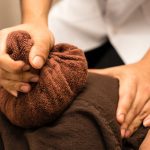
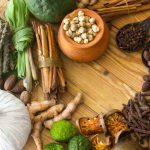
Herbal wisdom infuses Thai wellness from kitchen to clinic. Walk into a neighborhood spa and you’ll likely see a steamer bubbling with lemongrass, kaffir lime leaves, ginger, and camphor—the botanical aromatics prepare the body for massage and help the mind shift gears. The famed Thai herbal compress massage (luk pra kob) warms tissues with a steamed bundle of herbs, easing stiffness while delivering plant compounds through heat and moisture. Turmeric—a star in both cuisine and beauty routines—is prized for its warming, skin-friendly qualities, showing up in scrubs and masks as well as soups and curries.
Spa-goers with sore muscles often ask about plai (Zingiber cassumunar), a cousin of ginger used in balms and compresses for its penetrating comfort. Speaking of balms, Thai herbal balm is a time-tested staple—mentholated formulas can be dabbed on temples for clarity or massaged into calves after a long day on foot. You’ll also see body scrubs with ground rice, tamarind, and honey; aromatherapy blends of ylang-ylang and jasmine; and mineral-rich herbal baths that turn an ordinary soak into a nervous-system tonic. When combined with skilled touch, these therapies reinforce thai massage benefits by softening tissues and inviting the breath to deepen.
Beauty enthusiasts love the kitchen-to-vanity crossover. A kaffir lime hair rinse is a traditional trick for shine and scalp clarity, while galangal vs. ginger debates are common in home-remedy forums: one for aromatic brightness, the other for subtle heat. For acne-prone skin, turmeric mixed with honey shows up in DIY masks, while store shelves now feature organic Thai turmeric skincare for those who prefer bottled simplicity. The through-line is intentional but simple: use herbs to prepare the body so the next layer—movement, massage, or rest—lands more deeply.
Spa Culture in Thailand: From Street-Level to Luxe
What makes spa culture in Thailand special is its range. In a single neighborhood you might find a foot-massage storefront next to a temple-based teaching center and, around the corner, a chic boutique spa with polished wood and silk pillows. Urban day spas offer quick stress resets for residents and tourists alike—30-minute foot massage before a flight, a one-hour Thai stretch after a red-eye. Meanwhile, destination properties weave architecture, nature, and service into an immersive experience: outdoor pavilions, herbal gardens, and quiet lounges where tea and fruit are served after treatments.

A typical menu balances tradition and innovation. You’ll see classic options—Thai spa staples like full-body massage, body scrub with Thai herbs, and aromatic oil massage—alongside creative pairings such as Thai herbal balm spot-work combined with hot stone or a warm coconut compress for the abdomen. Staff training is a point of pride; many therapists study anatomy, contraindications, and hygiene alongside movement sequences. This grounded professionalism is one reason thai massage benefits reach beyond short-term relaxation into posture changes, easier breathing, and steadier moods.
For those planning a spa day, consider sequencing therapies for best effect: start with an herbal steam or sauna to soften tissues, follow with a herbal compress massage to deliver heat and botanicals, then finish with a full Thai session for mobility and energy balance. If your focus is skin health, opt for a scrub and wrap first, then an oil-based treatment. Always hydrate, and plan time for quiet afterwards—tea, fruit, and a shady lounge chair are not frivolous extras; they’re part of integrating the day’s gains and preserving thai massage benefits through gentler re-entry.
Wellness Retreats in Thailand: Detox, Yoga, Meditation
Beyond single treatments, many travelers seek deeper resets through wellness retreats in Thailand. The retreat format blends movement, nutrition, rest, and structured therapies over several days or weeks. On islands like Koh Samui and Phuket, you’ll find programs that combine gentle yoga, nature walks, meditation, and personalized spa sessions. In Chiang Mai, mountain air and forest temples create a contemplative backdrop for mindfulness intensives. There are detox retreat Thailand options with supervised fasting or juicing, and more spacious programs that focus on sleep quality and nervous-system repair.
Program menus often include workshops on breathwork, posture, or self-massage so you can carry new skills home. Experienced retreat leaders know that guests don’t just want to feel good for a week—they want frameworks for changing daily life. This is where thai massage benefits intersect beautifully with retreats: regular bodywork during a program helps unstick long-held patterns, while movement classes reinforce the new range. If your goal is to downshift a racing mind, look for a meditation retreat Thailand track that adds restorative stretching and quiet evenings.

Yogis often gravitate to a yoga retreat Koh Samui itinerary—sunrise classes, ocean swims, an herbal steam in the afternoon, then restorative Thai stretching at dusk. For couples, a wellness resort Thailand stay can combine spa rituals with partner sessions and shared classes, turning vacation into a co-regulated nervous-system reset. Even solo travelers find built-in community through small-group activities: cooking Thai food as medicine, exploring markets for lemongrass and turmeric, or learning a short at-home routine to maintain thai massage benefits after the trip.
There’s a practical side, too. Many retreat centers offer consultations to flag contraindications and to tailor sessions for injuries, pregnancy, or conditions like high blood pressure. If you’re planning an active schedule, alternate strenuous hikes or HIIT circuits with gentle treatments so you don’t overload your system. Spare at least one day for silence or long naps—recovery is where the deeper recalibration happens. When you choose carefully among wellness retreats in Thailand, you set conditions for lasting change rather than a brief escape.
Everyday Thai Wellness: Make It Real at Home
It’s inspiring to travel for a program, but the heart of Thai wellness lives in ordinary days. Mornings might start with warm water and a squeeze of lime, an easy ritual that wakes digestion. A pot of lemongrass or pandan tea can replace an afternoon second coffee; a few yoga poses or self-massage compressions at your desk can break tension loops. Families often incorporate home remedies into weekly rhythms—ginger soup when colds circle the neighborhood, turmeric-honey paste as a quick skincare pick-me-up, or a short stretch series after long commutes.
If you’re building a personal practice, begin with five-minute anchors. Try a standing forward fold with soft knees, a shoulder-roll sequence, or seated ankle circles. Add breath: in for four counts, out for six. Once a week, schedule a longer session with a professional and notice patterns. Keep a simple log of how you slept, how your digestion felt, and how your mood tracked—people often link these shifts back to thai massage benefits without realizing it. And if you’re craving community or structure, browse reputable Thai retreats for virtual programs that include live classes and check-ins.
Food is the daily bridge between tradition and life now. Embrace the Thai adage “food is medicine” by loading meals with herbs: toss kaffir lime into soups, add basil and lemongrass to stir-fries, use galangal for brightness and ginger for warmth. Keep a small caddy for balms, compress balls, and essential oils—your mini apothecary. Rotate in a warm bath with Epsom salts or a DIY herbal steam using boiled water, sliced ginger, and citrus peels. These are humble tools, but they create a reliable, repeatable rhythm that quietly reinforces thai massage benefits over time.
How to Experience Thai Wellness Abroad
Can’t get to Southeast Asia right now? You can still experience the essence wherever you live. Start by finding a reputable Thai spa or bodywork studio—look for practitioners trained in recognized schools and read reviews that mention thoughtful pacing, clear communication, and respect for boundaries. Ask whether sessions include breath cues or postural tips; those educational pieces pay dividends between appointments. For home care, consider a starter kit: buy thai herbal compress ball sets for warm-up or cool-down work on the neck and calves.
Skincare lovers can explore organic Thai turmeric skincare for glow routines and hyperpigmentation support. If hair and scalp is your focus, a weekly kaffir-lime rinse may surprise you with its fresh, clean feel. Kitchen staples double as wellness tools: lemongrass tea benefits digestion, ginger steadies nausea, and pandan offers a soft, dessert-like aroma that signals “it’s okay to rest.” Align your sessions with your calendar—book a 60-minute Thai spa appointment at the end of intense weeks so your nervous system can reset.
Keep experimenting. Some people feel best with classic floor-based sessions; others prefer a hybrid with oil work. Foot-focused treatments can be a lifesaver for runners and retail workers who stand all day. If you’re curious about add-ons, try an herbal sauna before your appointment, or ask for compress work over tight hip flexors. As you learn your preferences, you’ll find that thai massage benefits end up shaping your schedule: you’ll sleep earlier the night before, drink more water, and pack light snacks so digestion stays calm post-session.
Putting It All Together: A Sample 7-Day Reset
Day 1 (Arrival or Start): Gentle walk, early bedtime. Herbal foot soak and a cup of lemongrass-pandan tea.
Day 2: Morning mobility + 60-minute Thai session. Simple rice bowl with basil and vegetables.
Day 3: Herbal steam or sauna, then compress massage focusing on shoulders and hips.
Day 4: Restorative yoga or meditation; turmeric-honey face mask before shower.
Day 5: Nature time—park or beach. Short self-massage sequence for calves and forearms.
Day 6: Oil-based massage with Thai stretches added; warm bath with Epsom salts.
Day 7: Quiet morning. Reflect on changes in sleep, digestion, mood, and note which thai massage benefits felt most meaningful. If you journal, write a few lines about energy, pain levels, and mood so you can track which habits to keep.
Safety, Etiquette & How to Choose a Great Practitioner
A solid experience starts before you even lie down on the mat. Read recent reviews and look for mention of clear communication, clean facilities, and thoughtful pacing. Credible studios list therapist training (for example, hours completed at a recognized Thai massage school) and encourage an intake conversation about goals and medical history. If you’re dealing with injuries, recent surgeries, osteoporosis, or pregnancy, ask which techniques they’ll modify—side-lying positions, slower rhythm, and extra time for breath work are common adjustments. Share medications and any conditions like high blood pressure so heat-based options such as an herbal sauna can be tailored.
Clothing is typically loose and comfortable; many studios provide cotton sets. You’ll stay clothed for most sessions except oil-based treatments, where modest draping is the norm. It’s fine to speak up about pressure and range—on a scale from one to ten, most guests enjoy a steady five or six, with short excursions into deeper work when appropriate. Remember that breath is your ally; exhaling as a joint is mobilized can invite a larger release with less discomfort.
Hygiene and boundaries matter. Practitioners should wash hands before and after, avoid working over open wounds, and keep tools like herbal compresses clean and freshly steamed. If something doesn’t feel right—pain that makes you hold your breath, dizziness after the steam, or a technique that aggravates a condition—ask to pause and adjust. Good therapists appreciate feedback because it lets them tailor the session to you.
Pricing and tipping customs vary by region. In resort settings, gratuities may be included; in city shops they’re often optional but appreciated. If you’re new to this style, consider booking a shorter introductory session plus a follow-up on another day so you can assess how your body responds. Over time, you’ll learn which add-ons serve you best: reflexology foot massage for desk-heavy weeks, a brief compress over the lower back after travel, or a ten-minute breathing practice to integrate at the end. The goal is simple: build a relationship with a practitioner who listens, adapts, and helps you feel at home in your body.
Conclusion: Timeless Balance You Can Feel
The Thai wellness path is elegant in its simplicity: move, breathe, rest, and connect—with nature, with food, with people. Touch releases tension; heat and herbs prepare tissues; mindful rituals anchor the mind. Whether you choose a single spa day or plan extended wellness retreats in Thailand, the point is to make room for your body’s own intelligence to speak. Along the way, the phrase we started with—thai massage benefits—shows up not as marketing copy but as lived experience: easier mornings, kinder posture, a quieter mind, and a body that feels more like home.
If this article has done its job, you now have both inspiration and a plan. You understand how herbal therapies amplify hands-on work, how spa culture offers a spectrum from simple to luxurious, and how retreats provide structure when you want change to stick. Begin where you are: make tea, book an appointment, step outside. Then listen for the afterglow—a loose jaw, clear breath, a softer gaze—and keep choosing the little practices that bring you back to yourself. Revisit this guide after a few weeks and note what shifted; refine your rituals; keep the parts that help you feel most human.
FAQs
1) What are the top thai massage benefits?
Key thai massage benefits include improved flexibility and posture, better circulation, reduced stress, and deeper breathing. Nuad Thai’s rhythmic pressure and stretching along sen lines help release tension and support nervous-system calm.
2) How often should I book Thai massage for results?
Start with 60–90 minutes weekly for 3–4 weeks, then maintain every 2–4 weeks. Pair sessions with reflexology foot massage or a brief herbal sauna to warm tissues—both can amplify thai massage benefits between appointments.
3) Is Thai massage safe for everyone?
Generally yes, but consult your therapist if you’re pregnant, have osteoporosis, recent injuries, or uncontrolled hypertension. Ask for gentler pressure, side-lying positions, and skip intense heat or strong Thai herbal compress massage over sensitive areas.
4) What happens at wellness retreats in Thailand?
Programs blend daily bodywork, yoga, breathwork, and meditation with nourishing meals. Options range from detox retreat Thailand formats to a yoga retreat Koh Samui or mindfulness intensives in Chiang Mai—each designed to deepen and extend thai massage benefits.
5) How can I bring Thai wellness home?
Sip lemongrass tea for digestion, try a turmeric-honey face mask, and buy thai herbal compress ball sets for neck/shoulder relief. A short mobility routine plus monthly visits to a reputable Thai spa helps maintain results from wellness retreats in Thailand.


