


- Simple Guide To Cannabis Medicine Safety And Thai Healthcare
- Why Cannabis Medicine Safety Matters
- Cannabis Medicine In The Thai Healthcare Context
- The Role Of Licensed Practitioners
- Understanding Legal And Medical Rules
- Product Quality And Safety
- Possible Side Effects And Risks
- Medication Interactions And Health Conditions
- Thai Wellness And Cannabis Medicine
- Questions To Ask Before Discussing Cannabis Medicine
- Who Should Be Especially Careful
- Planning A Safer Healthcare Conversation
- Common Mistakes To Avoid
- Conclusion
- FAQ
- What is this Guide To Cannabis Medicine Safety And Thai Healthcare about?
- Is cannabis medicine safe for everyone?
- Can cannabis medicine replace normal treatment?
- Why are licensed practitioners important?
- What side effects should patients know about?
- Can I buy cannabis medicine from informal sources?
- Does CBD-only mean completely safe?
- What should I prepare before a consultation?
Simple Guide To Cannabis Medicine Safety And Thai Healthcare
This Guide To Cannabis Medicine Safety And Thai Healthcare is written for readers who want a clear, safe, and beginner-friendly overview of cannabis medicine in Thailand. The goal is not to give personal treatment advice, but to explain the safety points, healthcare context, and professional guidance that patients should understand before discussing cannabis medicine.
Cannabis medicine should be treated as a serious healthcare topic. It is not the same as casual wellness use, general herbal self-care, or unverified product advice. In Thailand, cannabis medicine is connected to licensed healthcare professionals, legal rules, product quality, patient safety, and responsible medical supervision.
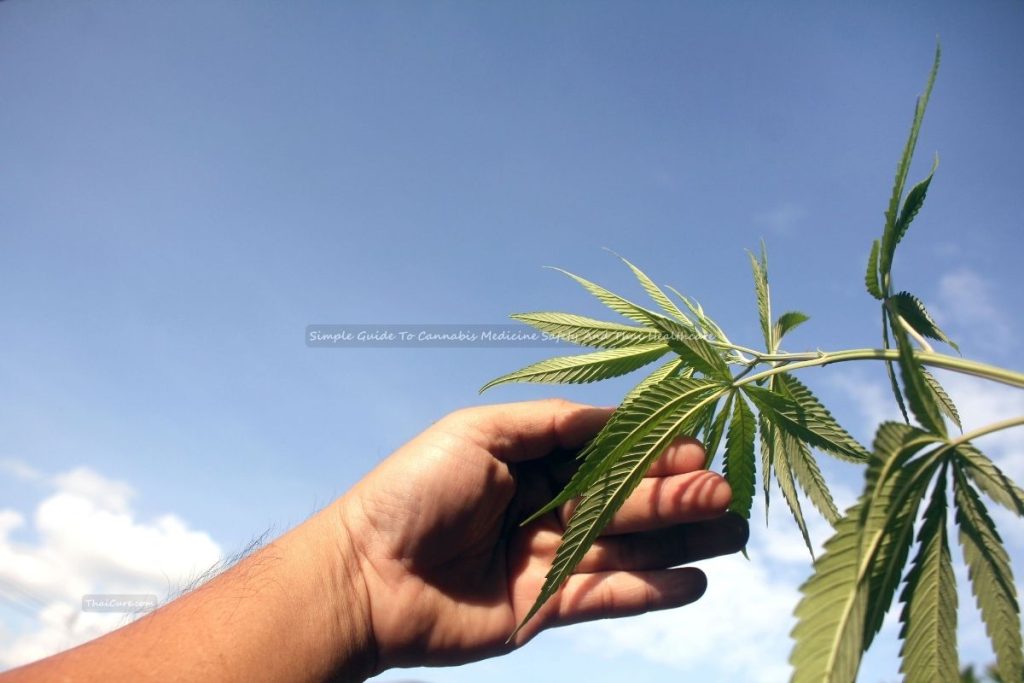
This Guide To Cannabis Medicine Safety And Thai Healthcare explains the main things beginners should know, including safety risks, Thai healthcare rules, licensed practitioners, product caution, side effects, and why professional guidance matters.
👉 “Readers who want to understand healthcare protection more broadly may also find this guide to Health Insurance Plans for Expats in Thailand.”
Why Cannabis Medicine Safety Matters
Cannabis medicine safety matters because people can respond differently to cannabis-based products. Some people may experience unwanted effects, while others may have health conditions or medications that make cannabis medicine unsuitable for them.
A safe approach begins with education. Patients should understand that cannabis medicine is not a guaranteed solution and should not replace conventional medical treatment. It should only be discussed as part of a wider healthcare conversation with a qualified professional.
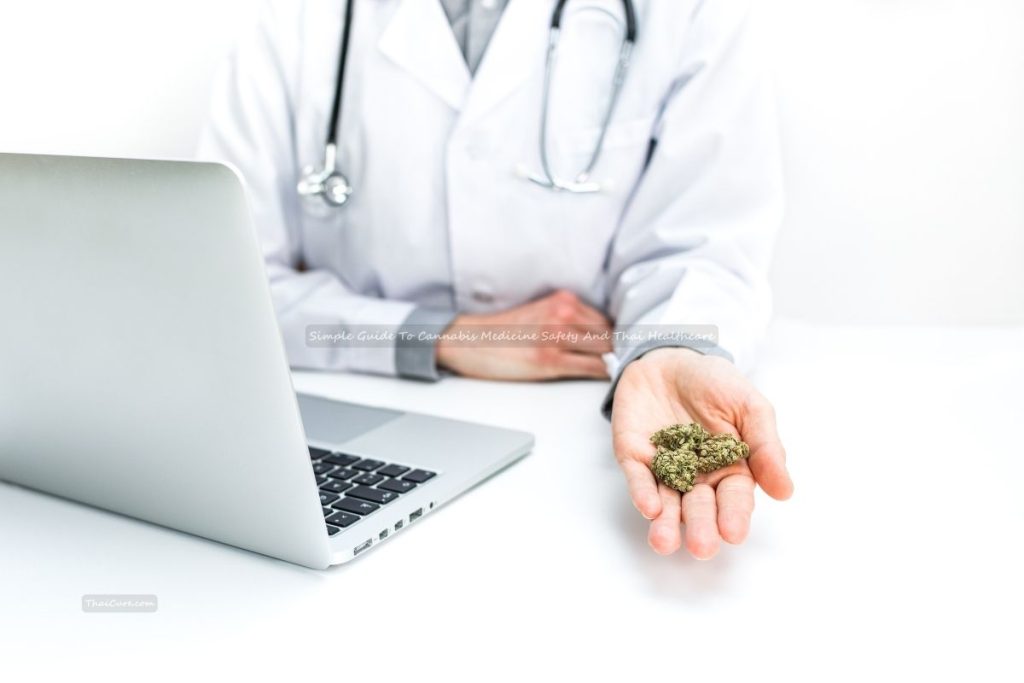
This Guide To Cannabis Medicine Safety And Thai Healthcare focuses on practical safety awareness rather than product promotion. The most important message is simple: do not self-treat, do not rely on unverified products, and do not ignore professional medical advice.
Cannabis Medicine In The Thai Healthcare Context
Thailand has a healthcare system that includes modern hospitals, clinics, pharmacies, Thai traditional medicine, and natural wellness practices. Cannabis medicine may be discussed within this wider setting, but it should still be handled through proper healthcare channels.
Thai healthcare also has a long tradition of herbal care, massage, natural remedies, and wellness practices. However, cannabis medicine is different from everyday herbal wellness. It is regulated more strictly and requires more caution because it can affect the body and mind in different ways.
For this reason, a Guide To Cannabis Medicine Safety And Thai Healthcare should always remind readers to speak with licensed professionals and check current rules before making any decision.
The Role Of Licensed Practitioners
Licensed healthcare professionals and qualified Thai medicine practitioners are important because they can assess a patient’s health situation. They can ask about symptoms, medical history, current medications, allergies, previous treatments, and possible risks.
This professional review matters because cannabis medicine may not be suitable for everyone. People who take prescription medicines, have chronic conditions, have mental health concerns, are pregnant or breastfeeding, or are caring for children or older adults should be especially careful.

A licensed practitioner can also explain whether the topic is relevant, what safety questions to ask, and what follow-up care may be needed.
Understanding Legal And Medical Rules
One important part of this Guide To Cannabis Medicine Safety And Thai Healthcare is understanding that rules can change. Readers should not rely on old articles, social media posts, or informal seller advice when trying to understand cannabis medicine in Thailand.
Current guidance should come from official sources or qualified healthcare professionals. Patients should also understand that medical cannabis access is different from recreational use or casual buying.
If a person is unsure about the rules, the safest step is to ask a licensed healthcare professional or check official Thai health guidance before taking any action.
Product Quality And Safety
Product quality is a major safety issue. Cannabis products can vary in strength, ingredients, labeling, and purity. Products from unverified sources may be unsafe, incorrectly labeled, or unsuitable for medical use.
Patients should avoid products with unclear labels, unrealistic claims, unknown ingredients, or no professional explanation. A healthcare provider can help explain what product quality questions are important and why regulated sources matter.
This Guide To Cannabis Medicine Safety And Thai Healthcare does not recommend specific products. Instead, it encourages readers to focus on safety, legal access, professional support, and careful decision-making.
Possible Side Effects And Risks
Cannabis medicine can cause side effects in some people. These may include sleepiness, dizziness, dry mouth, mood changes, anxiety, concentration problems, changes in appetite, or other unwanted reactions.
Some people may be more sensitive than others. Risks may also increase when cannabis medicine is combined with alcohol, certain medications, or other substances. This is why patients should be honest with their healthcare provider about everything they are using.
Any strong or unusual reaction should be taken seriously. Patients should seek professional medical advice rather than trying to manage serious symptoms alone.
Medication Interactions And Health Conditions
Medication interactions are one of the most important safety topics. Cannabis medicine may affect or be affected by other medicines. This can be especially important for people taking medication for sleep, mood, pain, heart conditions, blood pressure, seizures, or other long-term health concerns.
People with existing medical conditions should not assume cannabis medicine is automatically safe because it comes from a plant. Natural does not always mean risk-free.
A careful Guide To Cannabis Medicine Safety And Thai Healthcare should always include this point: personal medical history matters, and professional guidance is essential.
Thai Wellness And Cannabis Medicine
Thai wellness traditions may include herbal remedies, Thai massage, steam, compresses, meditation, diet, and lifestyle balance. These practices can be part of a broader wellness discussion, but they should not be confused with regulated cannabis medicine.
Some readers may be interested in how cannabis medicine fits into Thai herbal or traditional care. This can be an educational topic, but it should still be approached carefully. Thai wellness ideas may support general wellbeing, but they should not replace professional medical advice.
The safest approach is to see cannabis medicine as one possible healthcare discussion, not as a simple home remedy or general lifestyle product.
Questions To Ask Before Discussing Cannabis Medicine
Before speaking with a practitioner, readers can prepare useful questions. This helps keep the conversation clear, responsible, and health-focused.
- Is cannabis medicine suitable for my health situation?
- What are the possible risks for me?
- Could it interact with my current medication?
- What side effects should I understand?
- What legal rules apply in Thailand?
- How do I know whether a product is regulated and safe?
- What follow-up care would be needed?
- Are there safer or more suitable options to consider first?
These questions help patients avoid rushing into decisions and encourage a safer healthcare conversation.
Who Should Be Especially Careful
Some people should be especially cautious before discussing or considering cannabis medicine. This includes pregnant or breastfeeding people, children, teenagers, older adults, people with serious medical conditions, people with mental health concerns, and people taking multiple medications.
Families should also be careful when reading online information. General cannabis content may not be suitable for children, older adults, or people with complex health needs.
This Guide To Cannabis Medicine Safety And Thai Healthcare is educational only. Personal decisions should always be made with qualified healthcare support.
Planning A Safer Healthcare Conversation
Good preparation can make a consultation more useful. Before speaking with a practitioner, patients can write down their symptoms, medical history, current medicines, supplements, allergies, previous treatments, and main concerns.
Patients should also prepare honest questions about safety, legality, product quality, and alternatives. A good healthcare conversation should not feel rushed or sales-focused. It should focus on the patient’s health, risks, and informed choices.
If advice sounds too simple, too promotional, or ignores safety concerns, readers should seek a more qualified opinion.
Common Mistakes To Avoid
One common mistake is thinking that cannabis medicine is safe for everyone. Another mistake is trusting unverified products or informal advice. A third mistake is stopping other treatment without professional guidance.
Readers should also avoid assuming that CBD-only products are automatically risk-free. Even products that are described as non-intoxicating may still have safety considerations, quality concerns, or possible interactions.
A responsible Guide To Cannabis Medicine Safety And Thai Healthcare should help readers slow down, ask better questions, and make safer decisions.
👉 “For a deeper safety perspective, read our guide on Why Professional Guidance For Medicinal Cannabis Matters.”
Conclusion
This Guide To Cannabis Medicine Safety And Thai Healthcare gives beginners a safer way to understand cannabis medicine in Thailand. The most important points are professional guidance, legal awareness, product quality, possible side effects, medication interactions, and careful patient education.
Cannabis medicine should not be treated casually or used without proper support. It may be discussed in a healthcare setting, but it should never replace medical advice, diagnosis, or prescribed treatment without qualified guidance.
The best approach is to stay informed, avoid unverified products, prepare clear questions, and speak with licensed healthcare professionals. With the right support, readers can better understand cannabis medicine safety within the Thai healthcare context while keeping responsible care at the center.
FAQ
What is this Guide To Cannabis Medicine Safety And Thai Healthcare about?
This guide explains basic safety points, Thai healthcare context, professional guidance, product quality, side effects, legal awareness, and patient preparation related to cannabis medicine.
Is cannabis medicine safe for everyone?
No. Cannabis medicine may not be suitable for everyone. People with medical conditions, medication use, pregnancy, breastfeeding, or mental health concerns should seek professional advice.
Can cannabis medicine replace normal treatment?
No. Cannabis medicine should not replace conventional medical treatment unless a qualified healthcare professional gives appropriate guidance.
Why are licensed practitioners important?
Licensed practitioners can assess personal health needs, explain risks, check medication interactions, and guide patients within the legal healthcare system.
What side effects should patients know about?
Possible side effects may include dizziness, sleepiness, dry mouth, mood changes, anxiety, concentration problems, or appetite changes. Serious or unusual symptoms should be discussed with a healthcare professional.
Can I buy cannabis medicine from informal sources?
No. Readers should avoid informal or unverified sources and speak with qualified professionals about regulated and legal healthcare options.
Does CBD-only mean completely safe?
No. CBD-only products may still have quality concerns, possible interactions, or individual safety issues. Professional guidance is still important.
What should I prepare before a consultation?
Prepare your medical history, current medicines, supplements, allergies, symptoms, previous treatments, and safety questions before speaking with a practitioner.


