
- Introduction: Thai Herbal Compresses For Beginners
- What Is A Thai Herbal Compress?
- Why Thai Herbal Compresses Are Popular
- Common Herbs Used In Thai Herbal Compresses
- Lemongrass
- Turmeric
- Ginger
- Galangal
- Kaffir Lime Peel
- Plai
- Tamarind Leaves
- Camphor Or Menthol
- Simple Thai Herbal Compress Recipe For Beginners
- Ingredients
- Basic Equipment
- How To Make A Thai Herbal Compress
- How To Use Thai Herbal Compresses Safely
- Who Should Be Careful With Thai Herbal Compresses?
- Fresh Herbs Or Dried Herbs?
- Can You Reuse A Thai Herbal Compress?
- Important Tips Before Making Thai Herbal Compresses
- Common Beginner Mistakes To Avoid
- How Thai Herbal Compresses Fit Into A Wellness Routine
- Conclusion
- FAQ
- What Is A Thai Herbal Compress?
- Can Beginners Make Thai Herbal Compresses At Home?
- How Long Should I Use A Thai Herbal Compress?
- Can I Use A Thai Herbal Compress Every Day?
- Are Thai Herbal Compresses Safe During Pregnancy?
- Can I Use Essential Oils In A Thai Herbal Compress?
- How Do I Store A Homemade Thai Herbal Compress?
- Can Thai Herbal Compresses Treat Pain Or Illness?
Introduction: Thai Herbal Compresses For Beginners
Thai herbal compresses are one of the most well-known treatments in traditional Thai wellness. They are often used in Thai massage, spa therapy, and home relaxation routines to warm the body, ease tension, and support a calm feeling after a long day.
For beginners, Thai herbal compresses may look complicated at first. They are usually made with several herbs, wrapped in cloth, steamed, and gently pressed onto the body. However, the basic idea is simple: warm herbs release their natural aroma and plant compounds, while the heat helps relax tight areas and makes the experience more soothing.
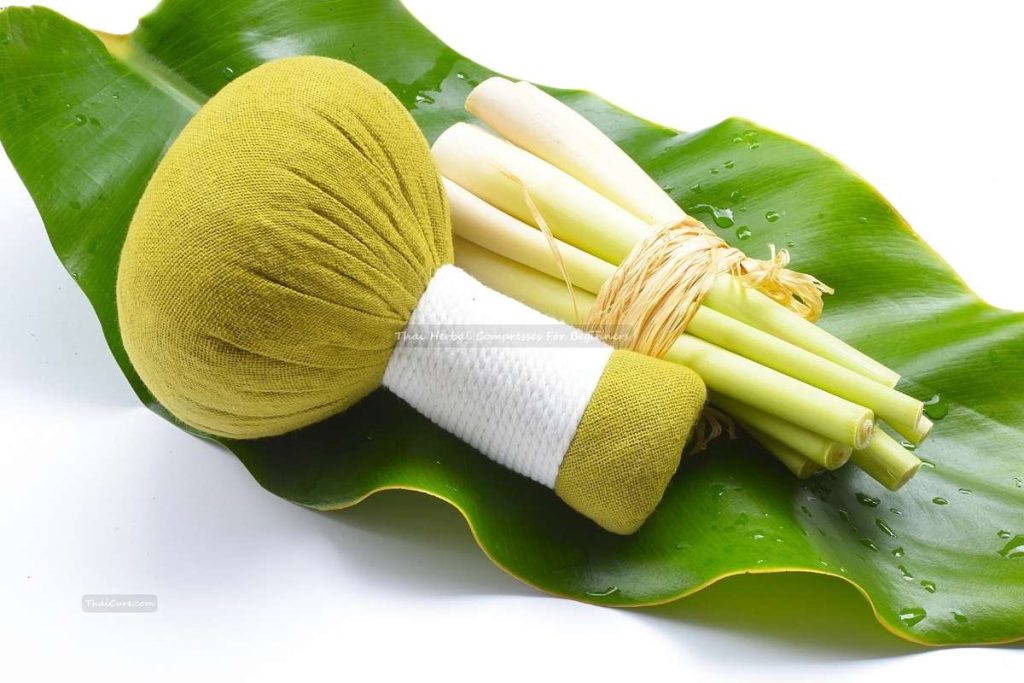
This practical guide explains what Thai herbal compresses are, which herbs are commonly used, how to prepare a simple compress at home, and what safety points to remember before using one.
👉 “To learn more about traditional plant-based care, you can also watch this video on The Healing Power of Thai Herbal Remedies.”
What Is A Thai Herbal Compress?
A Thai herbal compress is a cloth bundle filled with herbs, spices, and aromatic plants. In Thai, it is often connected with the traditional herbal ball used in Thai massage. The compress is usually steamed until warm, then gently pressed or rolled over the body.
The heat from the compress helps soften tight muscles and creates a relaxing feeling. The herbs add natural aroma and traditional wellness benefits. Many people use Thai herbal compresses for relaxation, body comfort, and a spa-like experience at home.
A traditional compress may include herbs such as lemongrass, turmeric, kaffir lime peel, tamarind leaves, camphor, ginger, galangal, and plai. The exact recipe can change depending on the region, family tradition, or purpose of use.
Why Thai Herbal Compresses Are Popular
Thai herbal compresses are popular because they combine warmth, scent, touch, and traditional herbal knowledge in one simple treatment. They are commonly used after massage or as part of a wellness routine.
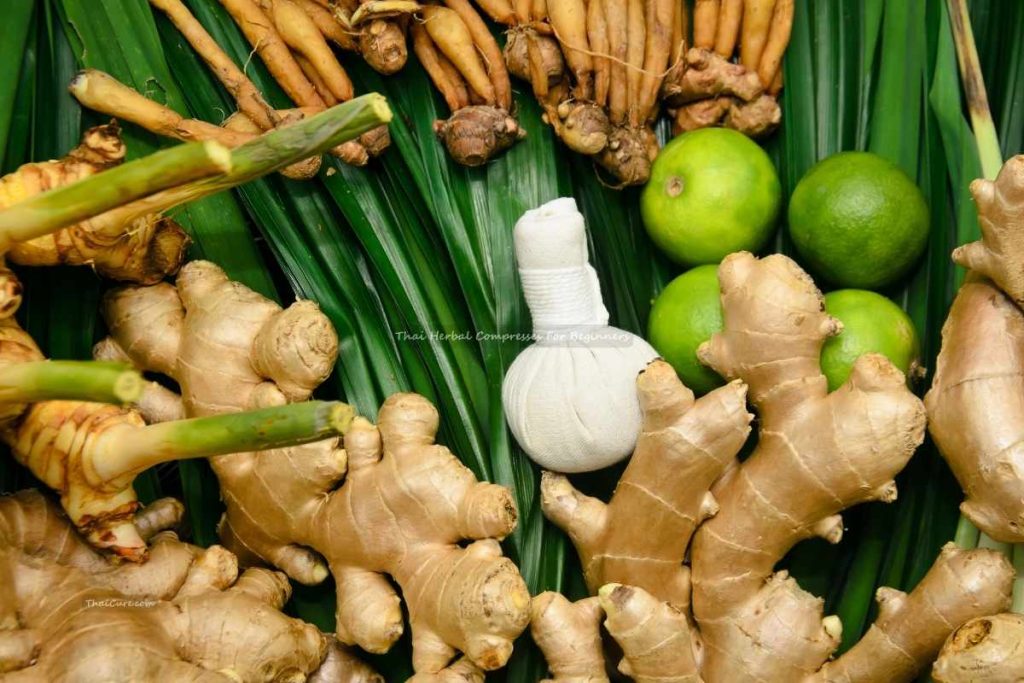
Many people enjoy them because they can:
- Help the body feel warm and relaxed
- Support comfort after mild muscle tension
- Create a calming spa-like experience
- Add natural herbal aroma to self-care routines
- Help beginners explore Thai herbal wellness in a simple way
Thai herbal compresses should not be treated as a cure for illness. They are best used as a gentle wellness practice, not as a replacement for medical care.
Common Herbs Used In Thai Herbal Compresses
The herbs used in Thai herbal compresses are chosen for their aroma, warming feeling, and traditional uses. Here are some common ingredients beginners may see in Thai compress recipes.
Lemongrass
Lemongrass is one of the most common Thai herbs used in compresses. It has a fresh citrus-like scent and is often used in Thai food, herbal drinks, and spa treatments. In a compress, lemongrass adds a clean and refreshing aroma.
Turmeric
Turmeric is known for its bright yellow-orange color and earthy scent. In Thai herbal traditions, it is often connected with skin care and body comfort. Because turmeric can stain cloth and skin, it should be used carefully.
Ginger
Ginger gives warmth and a spicy aroma. It is often used in traditional wellness practices because of its warming quality. In a compress, ginger can make the treatment feel more comforting, especially when used in small amounts.
Galangal
Galangal looks similar to ginger but has a sharper, more peppery scent. It is common in Thai cooking and traditional herbal blends. It adds a strong herbal aroma to compresses.
Kaffir Lime Peel
Kaffir lime peel has a powerful citrus fragrance. It is often used in Thai spa products and herbal preparations. In a compress, it helps create a fresh and uplifting scent.
Plai
Plai is a rhizome related to ginger and is commonly used in Thai traditional massage products. It is one of the classic ingredients in many Thai herbal compress recipes.
Tamarind Leaves
Tamarind leaves are sometimes used in traditional Thai compresses. They add a mild herbal quality and are often included in older-style recipes.
Camphor Or Menthol
Some Thai herbal compresses include camphor or menthol for a cooling and refreshing scent. These ingredients should be used carefully because they can irritate sensitive skin and are not suitable for everyone.
Simple Thai Herbal Compress Recipe For Beginners
This beginner recipe uses easy-to-find Thai herbs and keeps the process simple.
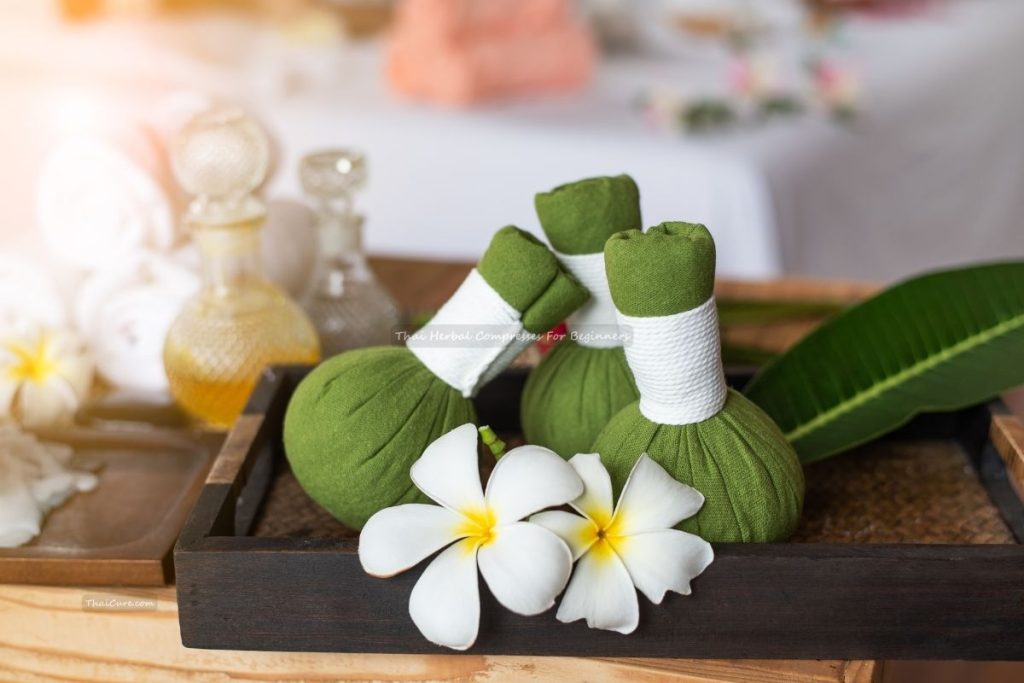
Ingredients
- 1 stalk lemongrass, chopped
- 2 to 3 slices fresh ginger
- 2 to 3 slices fresh turmeric
- 2 to 3 slices galangal, optional
- A small piece of kaffir lime peel, optional
- A few tamarind leaves, optional
- Clean cotton cloth or muslin cloth
- Cotton string
- Steamer or pot with steaming basket
Basic Equipment
You will need:
- Cutting board
- Knife
- Bowl
- Clean cloth
- String
- Steamer or pot
- Tongs or heat-safe gloves
Always make sure your workspace, tools, and cloth are clean before preparing the compress.
How To Make A Thai Herbal Compress
1. Wash The Herbs
Rinse the herbs well to remove dirt. Pat them dry with a clean towel. Fresh herbs should be clean, firm, and free from mold.
2. Chop The Ingredients
Cut the herbs into small pieces. This helps release their aroma when they are steamed. You do not need to grind them into a paste.
3. Place The Herbs In Cloth
Lay the cloth flat on a clean surface. Place the chopped herbs in the center. Do not overfill it, because you need enough cloth to close the bundle tightly.
4. Tie The Compress
Gather the edges of the cloth and twist them together to form a ball shape. Tie the top firmly with cotton string. Make sure the herbs cannot fall out.
5. Steam The Compress
Place the compress in a steamer for about 10 to 15 minutes. The compress should become warm and aromatic.
6. Test The Heat
Before using the compress on your body, test it on the inside of your wrist or forearm. It should feel warm and comfortable, not hot or burning.
7. Apply Gently
Press the compress gently onto areas such as the shoulders, back, arms, or legs. Use light pressure and slow movements. Do not press too hard.
8. Use For A Short Session
For beginners, 10 to 15 minutes is enough. Stop immediately if your skin feels irritated, too hot, itchy, or uncomfortable.
How To Use Thai Herbal Compresses Safely
Safety is very important when using herbal compresses at home. Natural does not always mean safe for everyone.
Follow these simple safety tips:
- Always test the temperature before applying the compress.
- Do not use a compress that feels too hot.
- Do a small patch test if you have sensitive skin.
- Avoid using compresses on cuts, burns, rashes, or irritated skin.
- Do not use strong essential oils directly on the skin.
- Avoid the eyes, face, and private areas.
- Do not use herbal compresses on young children without professional advice.
- Speak with a healthcare professional if you are pregnant, breastfeeding, taking medication, or have a medical condition.
If you feel burning, dizziness, skin irritation, or unusual discomfort, stop using the compress.
Who Should Be Careful With Thai Herbal Compresses?
Thai herbal compresses may not be suitable for everyone. Some people should be extra careful or ask a professional first.
This includes people who:
- Are pregnant or breastfeeding
- Have very sensitive skin
- Have allergies to herbs or essential oils
- Have diabetes or reduced skin sensation
- Have open wounds or skin infections
- Have heart problems or circulation issues
- Are taking medication that affects the skin or blood flow
- Have recently had surgery or an injury
When in doubt, choose a gentler option or ask a qualified healthcare provider.
Fresh Herbs Or Dried Herbs?
Both fresh and dried herbs can be used in Thai herbal compresses.
Fresh herbs usually have a stronger natural scent and feel more traditional. They are good if you can find them easily in local markets.
Dried herbs are easier to store and can be useful for ready-made compress blends. However, they should be stored properly and checked for mold or old smells before use.
For beginners, fresh herbs are often easier to understand because you can see, smell, and prepare each ingredient clearly.
Can You Reuse A Thai Herbal Compress?
A fresh homemade compress is best used soon after preparation. If you want to reuse it, let it cool, place it in a clean container, and store it in the refrigerator.
Use it within 1 to 2 days. If it smells sour, looks moldy, or feels slimy, throw it away.
Do not share the same compress with other people. This helps reduce the risk of skin irritation or contamination.
Important Tips Before Making Thai Herbal Compresses
Before making your own Thai herbal compresses, prepare your space and ingredients properly. A clean and dry workspace helps keep the compress safe to use. You should also use clean tools, fresh herbs, and breathable cotton cloth.
Start with a simple recipe instead of mixing too many herbs at once. This makes it easier to notice if one ingredient causes irritation. Beginners should also avoid strong amounts of camphor, menthol, or essential oils.
It is also helpful to learn about each herb before using it. Some herbs may not be suitable for people with allergies, sensitive skin, pregnancy, or certain health conditions.
Good preparation makes the experience safer, cleaner, and more enjoyable.
Common Beginner Mistakes To Avoid
Many beginners make small mistakes when preparing Thai herbal compresses. These mistakes are easy to avoid.
One common mistake is making the compress too hot. Heat should feel relaxing, not painful. Always test the compress before applying it to the body.
Another mistake is using too many strong herbs or essential oils. A simple blend is better for beginners.
Some people also press too hard. A Thai herbal compress should be used with gentle pressure, especially at home.
Finally, do not keep a used compress for too long. Because it contains moist herbs, it can spoil quickly.
How Thai Herbal Compresses Fit Into A Wellness Routine
Thai herbal compresses can be part of a simple self-care routine. You can use them after a warm shower, after light stretching, or as part of a quiet evening routine.
To create a relaxing experience, choose a calm space, prepare a clean towel, and give yourself enough time. You can also combine the compress with slow breathing or gentle rest.
The goal is not to rush. The value of a Thai herbal compress comes from warmth, scent, and mindful relaxation.
👉 “Looking for more simple herbal self-care ideas? Don’t miss our guide on DIY Herbal Remedies at Home.”
Conclusion
Thai herbal compresses are a beautiful part of Thai herbal wellness. They combine warm steam, natural herbs, and gentle pressure to create a relaxing and comforting experience.
For beginners, the best approach is to start simple. Use a few easy-to-find herbs, keep your tools clean, test the temperature carefully, and use the compress gently. Avoid strong ingredients until you understand how your skin and body respond.
Thai herbal compresses are not a replacement for medical treatment, but they can be a pleasant way to enjoy traditional Thai self-care at home. With proper preparation and safety, they can become a calming part of your wellness routine.
FAQ
What Is A Thai Herbal Compress?
A Thai herbal compress is a cloth bundle filled with herbs and aromatic plants. It is usually steamed and gently pressed onto the body for warmth, comfort, and relaxation.
Can Beginners Make Thai Herbal Compresses At Home?
Yes, beginners can make simple Thai herbal compresses at home. Start with easy herbs such as lemongrass, ginger, turmeric, and kaffir lime peel. Keep the recipe simple and always test the heat before use.
How Long Should I Use A Thai Herbal Compress?
Beginners can start with 10 to 15 minutes. Stop sooner if the compress feels too hot or if your skin becomes irritated.
Can I Use A Thai Herbal Compress Every Day?
It is better to start slowly. Use it occasionally and see how your body responds. If you have sensitive skin or health concerns, ask a professional before using it often.
Are Thai Herbal Compresses Safe During Pregnancy?
Pregnant or breastfeeding women should speak with a healthcare professional before using Thai herbal compresses. Some herbs and heat treatments may not be suitable during pregnancy.
Can I Use Essential Oils In A Thai Herbal Compress?
You can, but be careful. Essential oils are strong and may irritate the skin. Beginners should use very small amounts or avoid them completely.
How Do I Store A Homemade Thai Herbal Compress?
Let the compress cool, place it in a clean container, and store it in the refrigerator. Use it within 1 to 2 days. Throw it away if it smells bad, changes texture, or shows signs of mold.
Can Thai Herbal Compresses Treat Pain Or Illness?
Thai herbal compresses may help with relaxation and mild body comfort, but they should not be used as a cure for pain, illness, or injury. For ongoing symptoms, speak with a healthcare professional.


