


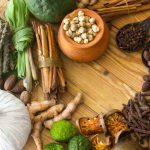

- Introduction: Why Thai Superfoods, Why Now?
- What Makes a Thai Superfood?
- Turmeric Tea: Golden Comfort for Immune Balance and Calm
- Moringa Powder: The Green Powerhouse for Everyday Vitality
- Ginger & Galangal: Warming Roots that Lift the Fog
- Lemongrass & Pandan: Cooling Notes, Calmer Evenings
- Holy Basil & Gotu Kola: Sacred Greens for Everyday Resilience
- Butterfly Pea: Beauty in a Cup (and a Polyphenol Bonus)
- How to Use Thai Superfoods Every Day (Without Overthinking It)
- Bringing It All Together: A Thai Rhythm for Energy, Immunity & Longevity
- Conclusion: Small Rituals, Big Return
- FAQs (Quick Reference)
Introduction: Why Thai Superfoods, Why Now?
From bustling Bangkok morning markets to hillside villages in the North, Thailand’s kitchen has always doubled as a pharmacy. Generations have relied on leaves, roots, and flowers not just for flavor but for resilience—steady energy, stronger immunity, and graceful aging. As “superfoods” trend globally, Thai staples like moringa, turmeric, ginger, lemongrass, holy basil, butterfly pea, and gotu kola offer time-tested wisdom with modern relevance.

This guide spotlights the benefits of moringa powder for nutrient density and sustained vitality, highlights core turmeric tea benefits, and introduces other beloved botanicals you can fold into everyday life. Whether you brew an evening tea or add a spoonful of green leaf powder to your soup, these traditions are simple, affordable, and deeply rooted in culture. Let’s dive in with an open mind—and an open pantry.
👉 “Looking for a deeper dive into healing brews? Explore our The Ultimate Essential Guide to Thai Herbal Teas.”
What Makes a Thai Superfood?
“Superfood” is a modern term, but the Thai concept is older: food that nourishes body and spirit while fitting effortlessly into daily meals. Thai superfoods are:
- Nutrient-dense: leaves like moringa (ma-rum), flowers like butterfly pea (anchan), and herbs like holy basil (kaphrao/tulsi).
- Versatile: easy to brew as tea, toss in stir-fries, pound into curry pastes, or blend into smoothies.
- Seasonal and local: grown in backyards and community gardens; fresh, dried, or powdered forms circulate through neighborhood markets.
The bonus? Thai preparations favor balance—cooling herbs matched with warming roots, bright citrus notes with earthy spices—so your wellness routine tastes as good as it feels.
Turmeric Tea: Golden Comfort for Immune Balance and Calm
Thailand’s turmeric (kha min) shows up in curry pastes, marinades, and grandmother’s home remedies. As a tea, it’s soothing and aromatic—wonderful with ginger and a touch of palm sugar or honey.
👉 “Want to go deeper into golden brews? Don’t skip The Anti-Inflammatory Benefits of Thai Turmeric Tea.”
Why brew it?
The phrase turmeric tea benefits shows up everywhere lately, but at heart it’s about a warming daily habit that supports digestion and comfort. A mug after meals or before bed offers a gentle wind-down. Paired with black pepper or a bit of coconut milk, absorption of key compounds may be improved.
Immune-forward, seasonal, and practical
Cold mornings, busy weeks, seasonal transitions—these are classic times to lean on turmeric. Many families see turmeric for immunity as part of a lifestyle rhythm: more during busy seasons, less when life is quiet and you’re eating a wider range of fresh produce.
A note on compounds
You’ll sometimes hear people talk about curcumin antioxidants—a helpful shorthand for turmeric’s widely discussed plant constituents. Rather than isolate it mentally from the spice itself, keep the whole-food lens: tea, food, and simple preparations first.
A nourishing ritual
- Simmer sliced fresh turmeric with ginger for 10 minutes.
- Add black pepper. Finish with a squeeze of lime and a drop of honey.
- Sip slowly, ideally away from screens.

For many readers, an accessible ritual matters more than perfection. A consistent cup works better than a “perfect” cup you never make. In season, you’ll find fresh rhizomes at Thai wet markets for almost nothing—making regular brewing truly practical.
The short of it
Enjoy the comfort, the aroma, and the steadying routine—this is where turmeric tea benefits truly show up. And when your schedule tightens, a tea bag or powdered blend still counts.
Moringa Powder: The Green Powerhouse for Everyday Vitality
Moringa appears across Thailand as shade trees in temple grounds and homesteads. The leaves, pods, and seeds are used widely, but the powdered leaf has become a global pantry staple because it’s easy to scoop into anything you already eat.
👉 “Want the full story on moringa? See our in-depth guide to Moringa Powder Benefits & Tea Benefits: Thai Superfood Guide.”
What you’ll actually feel
- Steadier daytime energy (not a jittery spike) thanks to micronutrients and phytonutrients that support metabolism.
- Smoother digestion from gentle fibers.
- A kitchen-friendly upgrade: a teaspoon blends into soups, omelets, congee, smoothies—even rice batter for savory pancakes.
Key nutrient talking points
- Leaf powder contains a broad spectrum of vitamins and minerals.
- The deep green color reflects chlorophyll and a range of plant compounds.
- It pairs beautifully with citrus (lime), coconut milk, and mild broths common in Thai cooking.
The phrase you’ll keep hearing (for good reason)
Hype aside, the benefits of moringa powder center on practical, everyday use—no complicated recipes required. A teaspoon in your late-morning smoothie. A sprinkle into lunch soup. A pinch into evening congee. Over weeks, small habits add up.
Energy support—without caffeine
If you’re seeking moringa for energy, think of it as nutritional scaffolding rather than a stimulant. It won’t replace sleep, but consistent intake may help you feel less “afternoon crash” and more sustained focus, especially when paired with balanced meals.
Simple ways to use it
- Savory: Stir into tom jued (clear soup) or add to omelets with onion and tomatoes.
- Smoothies: Banana, pineapple, coconut water, and a teaspoon of moringa for a tropical blend.
- Broth boost: Whisk into light chicken or vegetable broth before serving.
Moringa tea or powder?
Curious about moringa tea vs powder? Tea offers a delicate flavor and a calming ritual; powder is more concentrated and easier to dose into meals. Many people enjoy both—tea in the evening, powder in food during the day.

Antioxidants, gently stated
You’ll also encounter discussions around moringa antioxidants. Rather than chase numbers, focus on consistency: small daily amounts integrated into what you already eat deliver the most reliable benefits.
Quick recap—moringa highlights
- Everyday kitchen use
- Gentle, sustainable vitality (moringa for energy)
- Practical, versatile, and budget-friendly
And yes, we’ll say it once more for skimmers: the benefits of moringa powder shine brightest when you keep it simple and steady.
Ginger & Galangal: Warming Roots that Lift the Fog
Thailand uses both ginger (khing) and galangal (kha) extensively—ginger for teas, stir-fries, and desserts; galangal for curry pastes and tom kha (coconut soup). Each root brings warmth, clarity, and digestion support.
- If heavy meals slow you down, a mug highlighting ginger tea benefits can feel like a reset button—warming, aromatic, and steadying.
- In cold offices or rainy seasons, sliced ginger with brown sugar is a classic, cozy brew.
- For immune-minded cooks, galangal benefits immune health is a phrase you’ll hear handed down in kitchens; galangal’s piney brightness pairs beautifully with lemongrass and lime leaves.

When days feel sluggish or your focus dips after lunch, reach for these roots. They’re simple to prep and kind to the stomach.
Lemongrass & Pandan: Cooling Notes, Calmer Evenings
Lemongrass (ta-krai) and pandan (bai toey) are mainstays in Thai households. Lemongrass offers citrus-clean clarity; pandan adds a gentle, vanilla-like softness that relaxes the senses.
- A carafe of iced lemongrass in the fridge is the ultimate weeknight convenience. Many readers associate lemongrass tea benefits with lightness after heavy meals and a calmer evening pace.
- Pandan tea soothes late-night cravings, pairs well with jasmine rice desserts, and smells like a tropical lullaby. It’s a comfort beverage without the heaviness of milk drinks.

On hot days, these cooling herbs balance the warming nature of ginger and turmeric—another example of how Thai culinary wisdom harmonizes opposites.
Holy Basil & Gotu Kola: Sacred Greens for Everyday Resilience
Holy basil (kaphrao/tulsi) is a beloved Thai herb for focus and clarity. Gotu kola (buabok) is often blended into salads, drinks, and soups for a gentle lift.

- For stress-heavy weeks, many people lean on holy basil tea benefits—a cup in the afternoon to re-center and exhale.
- Curiosity about gotu kola benefits has grown beyond traditional circles; cooks praise its bright, herbaceous flavor, while wellness enthusiasts enjoy its place in light broths and fresh juices.
Both greens fit a “little every day” approach. Think simple: a handful in salad, a few leaves in a mild soup, or a light tea before bed.
Butterfly Pea: Beauty in a Cup (and a Polyphenol Bonus)
Butterfly pea flower (anchan) turns water sapphire blue and, with a squeeze of lime, a luminous violet. Cafés use it for color, but home brewers know it for gentle, evening-friendly sipping.
- A teapot before sunset sets the tone for slow evenings.
- The vibrant hue delights children and guests.
- Fans frequently mention butterfly pea tea benefits in the context of a calming nightly ritual.
Add lemongrass or a slice of ginger to round out the flavor. As always, go for habits you’ll keep—one small cup, most nights.
How to Use Thai Superfoods Every Day (Without Overthinking It)
Consistency beats intensity. The goal is not to overhaul your diet but to make small swaps and add-ins you’ll still be doing next month.
Daily template you can actually follow
- Morning: Smoothie with a teaspoon of moringa; leftover rice turned into savory pancakes with herbs.
- Midday: Clear soup with greens and mushrooms; a squeeze of lime and some chopped fresh turmeric on the side.
- Afternoon: Tea break—your pick of ginger, lemongrass, or holy basil.
- Evening: Light dinner + an easy herbal tea ritual.
Quick kitchen moves
- Stir moringa for energy into soups or eggs on high-demand days.
- Keep turmeric and ginger slices in a glass container so tea is always one pot away.
- Brew lemongrass in batches; chill for a week’s worth of refreshing sips.
Gentle safety reminders
- If pregnant, nursing, taking medications, or managing conditions, talk with a healthcare professional before significant changes.
- Start small; some herbs interact with medications or affect digestion.
- Quality matters—buy from trusted markets, wash well, and store carefully.
Turmeric tea logistics
New to brewing? Search out “how to make turmeric tea” guides to see simple variations: simmer fresh slices 8–10 minutes, add pepper, finish with honey. Wondering about the best time to drink ginger tea? Many prefer post-meal or mid-afternoon to support digestion and ease the day’s pace.
Bringing It All Together: A Thai Rhythm for Energy, Immunity & Longevity
A sustainable routine might look like this over a week:
- Monday: Oat-banana smoothie plus a teaspoon of powder; dinner soup tinted green.
- Tuesday: Evening turmeric brew—remember those turmeric tea benefits when your shoulders feel tight.
- Wednesday: Ginger mid-afternoon; notice focus returning as the rain starts outside.
- Thursday: Lemongrass pitcher in the fridge; you’ll feel those lemongrass tea benefits when the AC makes the room dry.
- Friday: Holy basil tea while you clear your inbox; enjoy holy basil tea benefits without relying on more caffeine.
- Saturday: Stir-fried vegetables with galangal; keep in mind galangal benefits immune health when you’re eating out later.
- Sunday: Family night with butterfly pea; a gentle nod to butterfly pea tea benefits before another busy week.
In time, you’ll settle into a personal cadence: more cooling herbs in hot months, more warming roots during storms, more leafy greens on market days. This is the heart of Thai wellness—adapting to season, schedule, and what your body quietly asks for.
Conclusion: Small Rituals, Big Return
When you keep things simple, Thai superfoods slip into ordinary days with grace. You’ll notice a steadier pace, calmer digestion, and a more grounded evening rhythm. The benefits of moringa powder reveal themselves when you add a spoonful here and there; turmeric tea benefits come through as you settle in with a warm mug and a quiet moment. From there, ginger, lemongrass, holy basil, gotu kola, and butterfly pea fill in the rest—a colorful, flavorful toolkit for feeling well, the Thai way.
FAQs (Quick Reference)
1) What are the headline benefits here?
For everyday practicality, the benefits of moringa powder include steady vitality and a nutrient bump to ordinary meals. As for turmeric tea benefits, think soothing warmth, digestive comfort, and a pleasant pre-bed ritual.
2) Can I rotate herbs?
Absolutely. Rotate according to taste and season: moringa in food, turmeric or ginger for warmth, lemongrass for clarity, holy basil for focus, butterfly pea for calm, gotu kola in salads.
3) How often should I drink these teas?
A cup once or twice a day fits most routines. Keep portions modest, observe how you feel, and adjust. If you’re exploring turmeric for immunity, try regular cups for a few weeks and reassess.
4) Do I need to buy everything organic?
Wash thoroughly and source from reputable vendors. If budget allows, prioritize fresh, fragrant herbs. Dry or powdered forms are fine—choose trustworthy brands and store well.
5) Any quick starter plan?
Yes: keep powder by the stove, sliced ginger and turmeric in the fridge, and a weekly batch of lemongrass tea prepped. This covers core needs without adding workload.


