
- Introduction
- What Are Licensed Thai Medicine Practitioners?
- Why Licensing Matters When Health Is Involved
- How Thai Medicine Looks At Wellness
- What Services They May Offer
- Why Licensing And Qualifications Matter
- What To Check Before Choosing A Thai Medicine Practitioner
- What To Expect During A Visit
- How To Check Thai Herbal Product Information
- What To Prepare Before Your Appointment
- Questions To Ask Licensed Thai Medicine Practitioners
- Thai Herbal Remedies And Safety
- Medicinal Cannabis And Thai Medicine
- When To See A Medical Doctor Instead
- How To Choose A Practitioner Carefully
- Building A Safe Wellness Plan
- Common Mistakes To Avoid
- Red Flags To Avoid When Choosing A Practitioner
- Conclusion
- FAQ
- What are Licensed Thai Medicine Practitioners?
- Why should I choose a licensed practitioner?
- Can Licensed Thai Medicine Practitioners replace a doctor?
- What should I bring to a consultation?
- Can they advise on medicinal cannabis?
- Are Thai herbal remedies always safe?
- How do I know if a practitioner is trustworthy?
- What questions should I ask before treatment?
Introduction
Licensed Thai Medicine Practitioners play an important role in Thailand’s traditional healthcare and wellness system. They may work with Thai traditional medicine, herbal knowledge, natural remedies, bodywork, lifestyle advice, and in some regulated contexts, medical cannabis discussions.
For beginners, the topic can feel confusing because Thai medicine includes both traditional wellness ideas and formal healthcare rules. This is why it is important to understand what Licensed Thai Medicine Practitioners do, what they should not replace, and how patients can prepare for a safe and informed consultation.
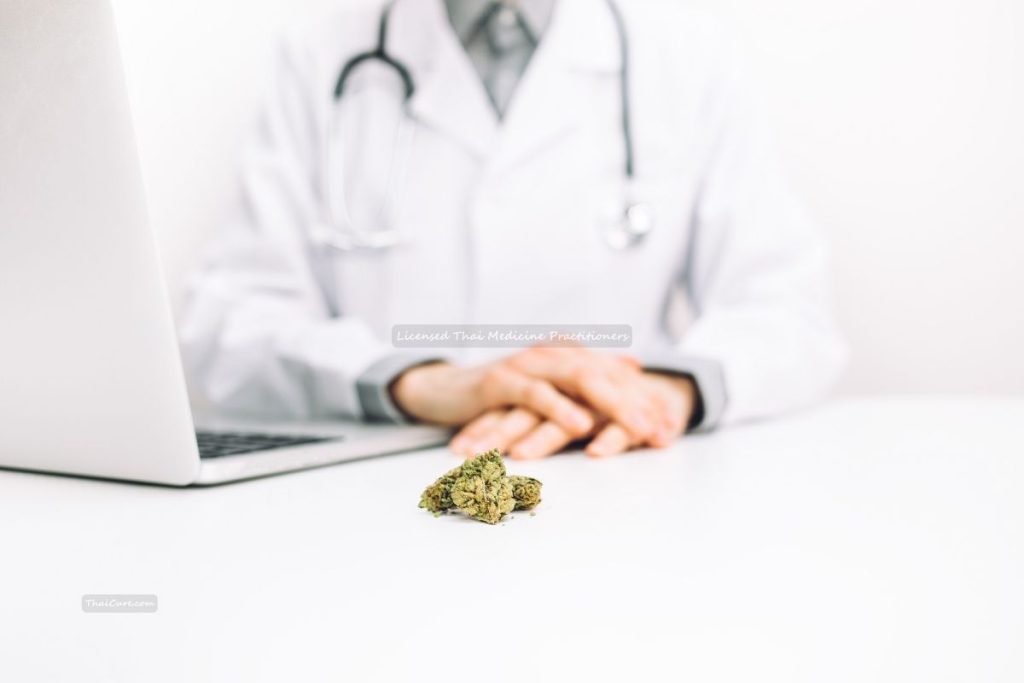
This guide explains Licensed Thai Medicine Practitioners in a simple way, including their role, what to expect during a visit, how to ask better questions, and why professional guidance matters for traditional Thai wellness and regulated healthcare topics.
👉 “Readers who want a broader wellness foundation may also find our guide to Healthy Lifestyle Tips Inspired By Thai Wellness helpful.”
What Are Licensed Thai Medicine Practitioners?
Licensed Thai Medicine Practitioners are professionals trained in Thai traditional medicine and related healthcare practices. Their work may include herbal care, Thai therapeutic approaches, lifestyle guidance, traditional diagnosis methods, and patient education.
The word “licensed” is important because it separates trained and recognized practitioners from informal sellers, unverified wellness advisors, or people giving health advice without proper qualifications. When a health topic involves herbs, chronic symptoms, medication, pregnancy, children, older adults, or cannabis medicine, professional qualifications matter even more.
Licensed Thai Medicine Practitioners should provide careful, responsible guidance based on a patient’s personal situation. They should not make unrealistic promises or replace emergency medical care.
Why Licensing Matters When Health Is Involved
Licensed Thai Medicine Practitioners matter because traditional medicine still involves real health decisions. Herbs, remedies, massage, compresses, and wellness products may affect the body. Some may interact with medicines, cause allergies, or be unsuitable for certain people.
A licensed practitioner should be more accountable than someone giving casual advice online. Licensing can help show that the practitioner has completed recognised training, understands professional responsibilities, and works within a regulated system.
Patients may look for Licensed Thai Medicine Practitioners when they want help with:
- Thai herbal medicine
- Traditional Thai wellness
- Herbal compresses
- Body balance advice
- Thai medicine consultation
- Traditional remedies
- Massage-related care
- Preventive wellness support
- Safe herbal product guidance
- General lifestyle advice
- Referrals when modern medical care is needed
Licensing does not mean every treatment is suitable for every person. It means the patient has a stronger starting point for checking professional stan
How Thai Medicine Looks At Wellness
Thai traditional medicine often looks at health in a broad and holistic way. Instead of focusing only on one symptom, a practitioner may consider lifestyle, sleep, food, stress, body balance, energy, digestion, movement, and long-term wellness habits.
This wider view is one reason many people are interested in Licensed Thai Medicine Practitioners. They may help patients think about daily routines and natural care in addition to specific symptoms.
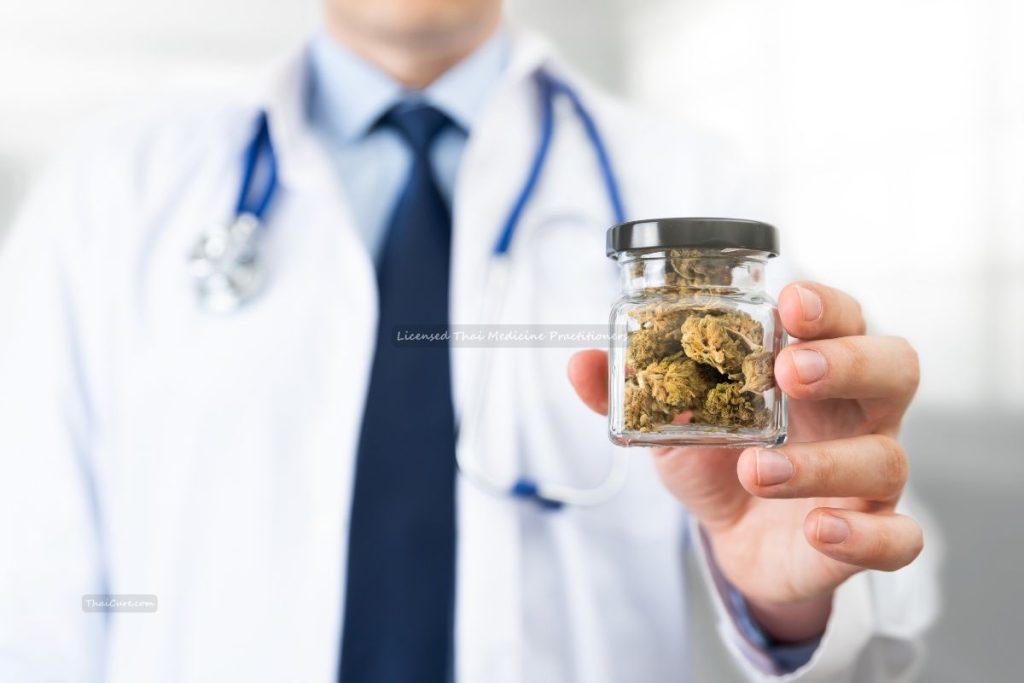
However, holistic care should still be safe and realistic. Natural remedies, herbs, massage, and wellness routines can have benefits, but they can also have limits. A responsible practitioner should explain when a patient needs a doctor, hospital, or conventional medical treatment.
What Services They May Offer
Licensed Thai Medicine Practitioners may offer different services depending on their training, setting, and legal permissions. Some may focus on herbal remedies, while others may work with Thai massage, traditional diagnosis, lifestyle advice, wellness education, or supportive care.
Common areas of discussion may include general wellness, stress, digestion, muscle tension, sleep habits, herbal support, and traditional Thai health principles. In some healthcare settings, they may also help patients understand regulated medical topics, but this should always happen within the law and with proper professional boundaries.
Patients should ask what a practitioner is qualified to do before starting treatment. A good practitioner will explain their scope clearly and will not pressure patients into treatments or products.
Why Licensing And Qualifications Matter
Licensing matters because health advice can affect real medical decisions. Herbs and natural remedies may interact with medication, affect existing conditions, or cause side effects in some people.
Licensed Thai Medicine Practitioners are expected to follow professional standards and understand safety, patient history, and appropriate care. This is especially important when a patient has a complex medical background or is already under treatment from another doctor.
Before booking a consultation, patients can ask about the practitioner’s training, license, experience, and whether they work with specific health concerns. This helps create trust and reduces the risk of unsafe or unclear advice.
What To Check Before Choosing A Thai Medicine Practitioner
Before booking a session, it is helpful to check a few basic details about the practitioner and clinic. A licensed Thai medicine practitioner should be able to explain their training, license or registration, area of practice, and what services they are qualified to provide.
Readers may want to check the practitioner’s full name, clinic or workplace, license details, professional background, services offered, consultation process, fees, product sources, and follow-up options. If anything is unclear, ask directly before starting any treatment or buying herbal products.
A responsible practitioner should answer questions calmly, explain possible risks, and refer patients to conventional medical care when symptoms are serious or outside their scope.
What To Expect During A Visit
A visit with Licensed Thai Medicine Practitioners usually begins with questions about your health history, symptoms, lifestyle, and current concerns. You may be asked about sleep, stress, digestion, diet, exercise, medication, allergies, and previous treatments.
Before the visit, write down any prescription medicines, over-the-counter medicines, supplements, allergies, medical conditions, recent surgery, pregnancy or breastfeeding status, and any serious diagnosis. Also note if the care is for a child, an elderly person, or someone with a chronic health condition.
If a practitioner gives herbs or wellness products without asking any health questions, be careful. Health history is important for reducing risks and avoiding unsuitable advice.
The practitioner may also ask about your wellness goals. For example, some people want help understanding herbal care, while others want general lifestyle support or guidance about traditional Thai wellness practices.
You should feel comfortable asking questions. A professional consultation should be respectful, clear, and focused on your health needs. If you feel rushed, pressured, or confused, it is reasonable to pause and seek more information.
How To Check Thai Herbal Product Information
If a practitioner recommends herbal products, readers should check the label carefully before using them. Natural products are not automatically safe for everyone, especially for people who take medicines, have allergies, are pregnant or breastfeeding, or have chronic health conditions.
A clear product label should show the product name, ingredients, directions for use, dosage, warnings, expiry date, manufacturer, storage instructions, and contact information. If relevant, it may also show registration or approval details.
Avoid products with unclear ingredients, missing labels, unknown sources, or exaggerated health claims. A responsible practitioner should be willing to explain what is in a product and why it has been recommended.
What To Prepare Before Your Appointment
Before visiting Licensed Thai Medicine Practitioners, prepare a short health summary. This can make the conversation more useful and safer.
- Your main symptoms or concerns
- How long you have had the problem
- Current prescription medicines
- Supplements or herbal products you use
- Allergies or past reactions
- Existing medical conditions
- Pregnancy or breastfeeding status, if relevant
- Previous treatments you have tried
This information helps the practitioner understand your situation more clearly. It also helps reduce the risk of interactions or unsuitable recommendations.
Questions To Ask Licensed Thai Medicine Practitioners
Good questions can help you get better guidance from Licensed Thai Medicine Practitioners. You do not need to know technical terms before your visit, but you should feel free to ask simple and direct questions.
- Are you licensed or registered?
- What is your license or professional qualification?
- What type of Thai medicine do you practise?
- What training have you completed?
- What is included in the consultation?
- Do you need my health history?
- Could this herb or product interact with my medicines?
- Are there possible side effects?
- How long should I follow this advice?
- When should I see a doctor?
- Are the herbal products properly labelled?
- What should I do if I feel worse?
- Can I contact you for follow-up questions?
These questions help keep the conversation practical and safe.
Patients should feel comfortable asking questions before starting Thai traditional medicine, herbal care, massage-related care, or wellness support. Good questions can help prevent confusion and unsafe choices.
Thai Herbal Remedies And Safety
Thai herbal remedies are part of traditional Thai wellness, but they should still be used carefully. Natural does not always mean risk-free. Some herbs may be too strong for certain people, and some may interact with medication.
Licensed Thai Medicine Practitioners can help explain how herbs are traditionally used, what precautions matter, and when a remedy may not be appropriate.
Patients should avoid mixing many herbs, supplements, and medicines without guidance. If you already take medication or have a health condition, always mention this before using herbal products.
Medicinal Cannabis And Thai Medicine
Some readers may want to ask Licensed Thai Medicine Practitioners about medicinal cannabis in Thailand. This topic should be approached with extra caution because it involves healthcare rules, legal limits, product quality, possible side effects, and professional supervision.
Medicinal cannabis should not be treated as a casual wellness product or a simple herbal home remedy. It is a regulated healthcare topic and should only be discussed with qualified professionals who understand current Thai rules and patient safety.
Anyone considering this topic should ask about suitability, risks, interactions with other medicines, legal access, and follow-up care. Do not rely on informal sellers, social media claims, or unverified products.
When To See A Medical Doctor Instead
Licensed Thai Medicine Practitioners can support many wellness conversations, but they are not always the right choice for every situation. Some symptoms need urgent medical care or conventional diagnosis.
Seek medical help quickly for severe pain, chest pain, breathing problems, high fever, sudden weakness, serious allergic reactions, severe mental health symptoms, uncontrolled bleeding, or symptoms that get worse quickly.
Traditional Thai wellness can be part of a wider care plan, but it should not delay emergency care or replace necessary medical treatment.
How To Choose A Practitioner Carefully
Choosing Licensed Thai Medicine Practitioners carefully can help you avoid unsafe advice and low-quality care. Look for someone who explains things clearly, asks about your health history, respects your questions, and does not promise guaranteed results.
A good practitioner should be honest about what Thai medicine may help with and where its limits are. They should also be willing to refer you to another healthcare professional when needed.
Be cautious if someone pressures you to buy many products, refuses to discuss side effects, avoids questions about licensing, or claims that one remedy can cure many serious diseases.
Building A Safe Wellness Plan
Working with Licensed Thai Medicine Practitioners can be more useful when you think of care as a plan, not a one-time visit. A wellness plan may include lifestyle changes, herbal guidance, diet suggestions, stress reduction, movement, rest, and follow-up appointments.
Keep notes about what you try and how you feel. If you use herbs or remedies, write down the name, amount, timing, and any changes you notice. This can help you and your practitioner review progress safely.
If something feels wrong, stop and ask for professional advice. Safe wellness should feel supportive, not risky or confusing.
Common Mistakes To Avoid
One common mistake is choosing a practitioner based only on online popularity. Reviews can be useful, but qualifications and safety matter more.
Another mistake is assuming all natural remedies are safe. Even common herbs can cause problems for some people, especially when mixed with medication.
A third mistake is expecting fast results from every traditional treatment. Some wellness approaches take time, while others may not be suitable. A responsible practitioner should help you understand realistic expectations.
Red Flags To Avoid When Choosing A Practitioner
Not everyone offering Thai medicine or herbal advice is qualified. Readers should be careful if someone makes unsafe claims, avoids questions, or sells unclear products.
- Claims to cure every disease
- Promises guaranteed results
- Refuses to show credentials
- Tells patients to stop prescribed medicine without a doctor
- Sells products with no ingredient list
- Pressures readers to buy expensive packages
- Avoids questions about side effects
- Says natural products have no risks
- Does not ask about health history
- Dismisses serious symptoms
- Discourages emergency care
- Offers unclear instructions
A safe practitioner should act responsibly, explain limits clearly, and recognise when conventional medical care is needed.
👉 “To understand this topic further, readers can also explore our guide to How Licensed Thai Practitioners Approach Cannabis Care.”
Conclusion
Licensed Thai Medicine Practitioners can help readers understand Thai traditional medicine, herbal wellness, natural remedies, and safe healthcare conversations in Thailand. Their role is especially important when a topic involves personal health, medication, chronic symptoms, or regulated treatments.
The safest approach is to choose qualified practitioners, ask clear questions, share your medical history, and understand both the benefits and limits of traditional Thai care. Professional guidance should make you feel more informed, not pressured.
By learning what Licensed Thai Medicine Practitioners do and how to prepare for a visit, patients can make better decisions and approach Thai wellness with more confidence, caution, and respect for their own health.
FAQ
What are Licensed Thai Medicine Practitioners?
Licensed Thai Medicine Practitioners are trained professionals who practice Thai traditional medicine and related wellness approaches within their professional scope.
Why should I choose a licensed practitioner?
Licensing helps show that the practitioner has formal training and professional standards. This is important for safety, especially when herbs, medication, or health conditions are involved.
Can Licensed Thai Medicine Practitioners replace a doctor?
No. They may support wellness and traditional care, but serious or urgent medical problems should be handled by a medical doctor or hospital.
What should I bring to a consultation?
Bring information about your symptoms, medical history, current medicines, supplements, allergies, and previous treatments.
Can they advise on medicinal cannabis?
Some qualified professionals may discuss medicinal cannabis within legal and medical limits, but this topic requires extra caution and current professional guidance.
Are Thai herbal remedies always safe?
No. Herbal remedies can have side effects or interact with medication. Ask a qualified practitioner before using new remedies, especially if you have health conditions.
How do I know if a practitioner is trustworthy?
Look for clear qualifications, respectful communication, realistic claims, safety explanations, and willingness to refer you to other healthcare professionals when needed.
What questions should I ask before treatment?
Ask about qualifications, treatment goals, possible side effects, medication interactions, expected progress, follow-up care, and when to seek medical help.


