


- Introduction
- Why This Conversation Needs Care
- Understand The Thai Healthcare Context
- Prepare Your Medical History
- Questions To Ask During The Appointment
- Ask About Risks And Side Effects
- Talk About Current Medication
- Understand Product Quality And Legal Access
- How Thai Traditional Medicine May Be Discussed
- Be Clear About Your Expectations
- Who Should Be Especially Careful
- After The Consultation
- Common Mistakes To Avoid
- Conclusion
- FAQ
- Why is Discussing Cannabis Medicine With A Thai Doctor important?
- What should I prepare before the appointment?
- Can any doctor in Thailand discuss cannabis medicine?
- Can cannabis medicine replace normal treatment?
- What risks should I ask about?
- Should I buy cannabis medicine before seeing a doctor?
- Can Thai traditional medicine be part of the discussion?
- Is online information enough?
Introduction
Discussing Cannabis Medicine With A Thai Doctor can feel difficult if you are new to the topic. Many patients are unsure what to ask, what information to bring, and how cannabis medicine fits into Thai healthcare. Because this is a medical subject, it is important to approach the conversation carefully and responsibly.
Thailand has a long tradition of herbal wellness and Thai traditional medicine, but cannabis medicine should not be treated like a casual home remedy. It is connected to healthcare rules, patient safety, product quality, and licensed professional guidance.

This guide explains what to know before Discussing Cannabis Medicine With A Thai Doctor, including how to prepare, what questions to ask, what safety points matter, and why professional medical advice is important.
👉 “If you are also interested in broader wellness travel, you may find this guide to Wellness Retreats in Thailand for Foreigners.”
Why This Conversation Needs Care
Discussing Cannabis Medicine With A Thai Doctor is not the same as asking about a general wellness habit. Cannabis medicine can affect people differently depending on their health condition, age, current medicines, medical history, and personal sensitivity.
Some people may experience side effects or interactions with other medication. Others may have health conditions that make cannabis medicine unsuitable. This is why a proper healthcare conversation is important before making any decision.
The goal of the discussion should not be to request a product quickly. The goal should be to understand whether the topic is relevant, safe, legal, and appropriate for your personal health situation.
Understand The Thai Healthcare Context
Before Discussing Cannabis Medicine With A Thai Doctor, it helps to understand that Thailand’s healthcare system includes modern medicine, hospitals, clinics, pharmacies, Thai traditional medicine, and natural wellness practices.
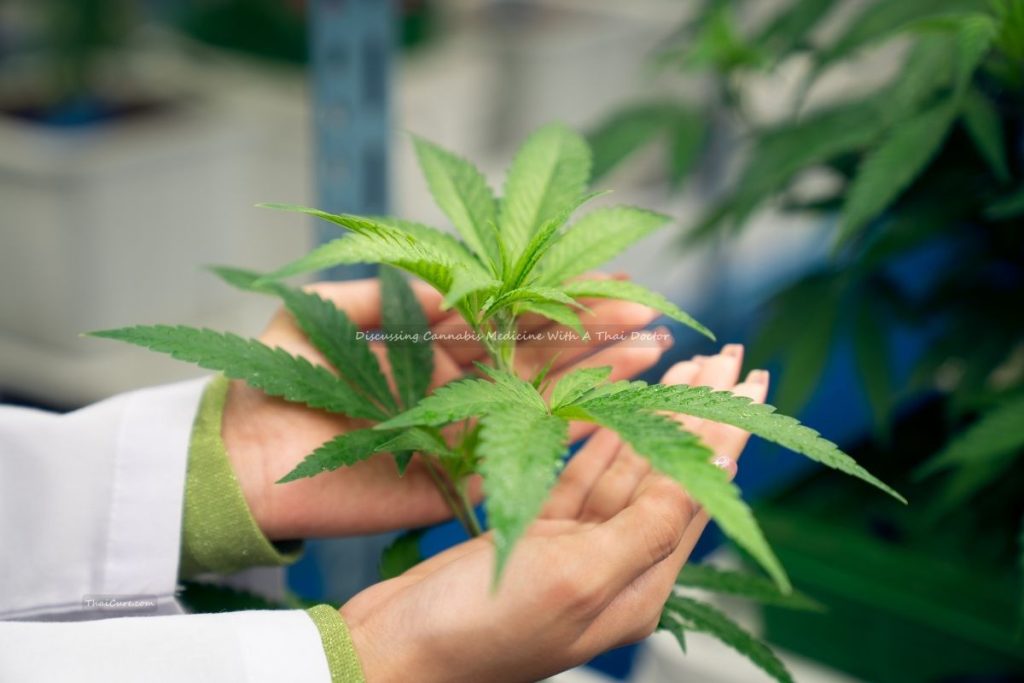
Thai doctors and licensed practitioners may look at health from different angles, but safety should always come first. Even if cannabis medicine is discussed within a traditional wellness context, it should still be treated as a regulated healthcare topic.
This means patients should avoid relying only on online advice, social media claims, unverified sellers, or informal recommendations. A doctor or qualified practitioner can explain the medical and legal context more clearly.
Prepare Your Medical History
Good preparation makes Discussing Cannabis Medicine With A Thai Doctor more useful. Before your appointment, write down your main symptoms, how long you have had them, what treatments you have tried, and what medicines or supplements you currently take.
You should also mention allergies, past reactions to medication, mental health history, sleep issues, pregnancy or breastfeeding, and any long-term medical conditions. These details can help the doctor understand your situation more safely.
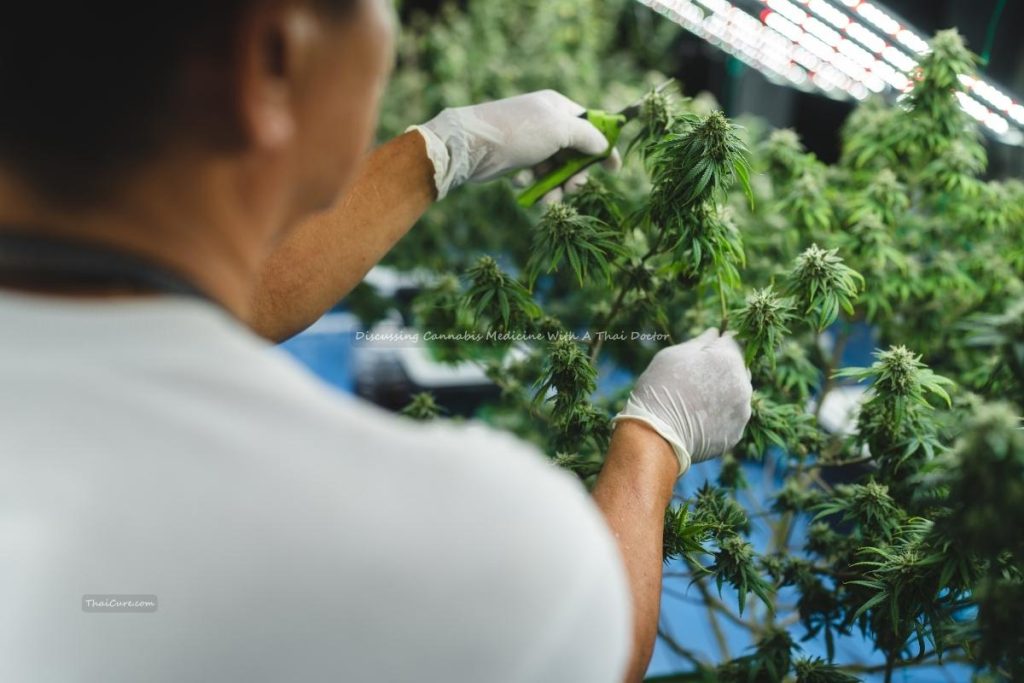
Do not hide information because you think it is not important. Cannabis medicine may interact with other treatments, so the doctor needs a complete picture.
Questions To Ask During The Appointment
When Discussing Cannabis Medicine With A Thai Doctor, bring a short list of questions. This helps you stay focused and avoid forgetting important points during the appointment.
- Is cannabis medicine suitable for my health situation?
- What risks should I understand?
- Could it interact with my current medication?
- What side effects should I watch for?
- What legal rules apply in Thailand?
- How do I know if a product is regulated and safe?
- What follow-up care would be needed?
- Are there other options I should consider first?
These questions keep the conversation focused on health and safety, not only on access to cannabis products.
Ask About Risks And Side Effects
A responsible conversation should include possible risks. Discussing Cannabis Medicine With A Thai Doctor should never focus only on possible benefits. Side effects may include sleepiness, dizziness, dry mouth, mood changes, anxiety, concentration problems, or other unwanted reactions.
Some people may be more sensitive than others. People with mental health concerns, heart conditions, liver problems, pregnancy, breastfeeding, or multiple medications should be especially careful.
If a doctor or practitioner does not discuss risks, interactions, or follow-up care, it is reasonable to ask more questions or seek a second qualified opinion.
Talk About Current Medication
Medication interactions are one of the most important reasons for Discussing Cannabis Medicine With A Thai Doctor instead of trying to make decisions alone. Cannabis medicine may interact with some medicines, and the risk can depend on the person’s health history.
Bring a list of all prescription medicine, over-the-counter medicine, supplements, herbal remedies, and vitamins you use. Include how often you take them and why you take them.
This information helps the doctor decide whether cannabis medicine is safe to discuss, whether extra caution is needed, or whether another approach may be better.
Understand Product Quality And Legal Access
Discussing Cannabis Medicine With A Thai Doctor should include questions about product quality and legal access. Patients should avoid unclear products, unverified sellers, and labels that do not explain ingredients or strength properly.
In a healthcare setting, products should be discussed through legal and professional channels. If a product source, claim, label, or recommendation feels unclear, it is safer to stop and ask a qualified professional.
Do not assume that a product is safe just because it is natural, popular, or easy to find. Natural products can still have risks.
How Thai Traditional Medicine May Be Discussed
Thai traditional medicine often looks at wellness through balance, lifestyle, herbs, bodywork, and long-term health habits. This wider view may come up when Discussing Cannabis Medicine With A Thai Doctor, especially if the doctor or practitioner has experience with Thai traditional medicine.
However, cannabis medicine should not be treated exactly like ordinary herbal tea, massage, or general wellness care. It is a more sensitive healthcare topic and should be handled with extra caution.
Thai wellness practices may support general wellbeing, but they should not replace proper medical advice, diagnosis, or treatment.
Be Clear About Your Expectations
Before Discussing Cannabis Medicine With A Thai Doctor, think about what you hope to understand. Are you looking for education, safety advice, legal guidance, or a second opinion? Being clear about your goal can help the doctor respond more effectively.
It is also important to have realistic expectations. Cannabis medicine is not a guaranteed solution, and it may not be suitable for everyone. A good doctor may tell you that another option is safer or more appropriate.
That answer can still be helpful. Professional guidance is valuable because it helps protect your health, not because it always gives the answer you expected.
Who Should Be Especially Careful
Some people should be especially cautious when Discussing Cannabis Medicine With A Thai Doctor. This includes pregnant or breastfeeding people, children, teenagers, older adults, people with serious medical conditions, people with mental health concerns, and anyone taking several medications.
Families should be careful when reading general cannabis information online. Information written for adults may not be suitable for children, older adults, or people with complex health needs.
If you are asking on behalf of someone else, make sure the doctor has accurate information about that person’s health history and current treatment.
After The Consultation
After Discussing Cannabis Medicine With A Thai Doctor, take time to review what you learned. Do not rush into a decision. If the doctor gives advice, make sure you understand the risks, next steps, and whether follow-up care is needed.
Keep notes from the appointment, especially any safety warnings or questions you still have. If something is unclear, ask for clarification before taking action.
A careful decision is better than a fast decision, especially when the topic involves medication, legal rules, and personal health.
Common Mistakes To Avoid
One common mistake is starting the conversation with a fixed answer already in mind. Discussing Cannabis Medicine With A Thai Doctor should be an open health discussion, not a request for a specific product.
Another mistake is relying only on online information. Online guides can help with basic education, but they cannot replace personal medical advice.
A third mistake is ignoring other health factors. Sleep, stress, diet, existing treatment, mental health, and medication use may all matter when a doctor reviews your situation.
👉 “Before speaking with a practitioner, you may find it helpful to read our guide on what to expect from a medical cannabis consultation in Thailand.”
Conclusion
Discussing Cannabis Medicine With A Thai Doctor is safest when you prepare carefully, ask clear questions, and focus on professional guidance. Cannabis medicine is a regulated healthcare topic, so it should not be approached casually or through unverified advice.
The most important steps are to bring your medical history, explain your current medicines, ask about risks, understand legal rules, and listen carefully to the doctor’s guidance. A qualified professional can help you understand whether cannabis medicine is suitable, unsafe, unnecessary, or worth discussing further.
With the right preparation, Discussing Cannabis Medicine With A Thai Doctor can become a clearer and more responsible healthcare conversation. The goal is not simply to access cannabis medicine, but to make safer, better-informed decisions about your health.
FAQ
Why is Discussing Cannabis Medicine With A Thai Doctor important?
Discussing Cannabis Medicine With A Thai Doctor is important because a doctor can review your health history, current medicines, possible risks, legal rules, and whether cannabis medicine is suitable for your situation.
What should I prepare before the appointment?
Prepare your symptoms, medical history, current medicines, supplements, allergies, previous treatments, and questions about safety, side effects, legal access, and follow-up care.
Can any doctor in Thailand discuss cannabis medicine?
Not every doctor may be experienced with cannabis medicine. It is best to speak with a qualified healthcare professional or licensed practitioner who understands the current medical and legal context.
Can cannabis medicine replace normal treatment?
No. Cannabis medicine should not replace normal medical treatment, diagnosis, or prescribed medicine unless a qualified healthcare professional gives appropriate guidance.
What risks should I ask about?
Ask about side effects, medication interactions, mental health concerns, pregnancy or breastfeeding risks, product quality, and whether cannabis medicine is suitable for your health condition.
Should I buy cannabis medicine before seeing a doctor?
No. It is safer to speak with a qualified professional first and avoid unverified products or informal advice.
Can Thai traditional medicine be part of the discussion?
Yes, Thai traditional medicine may be part of a wider wellness conversation, but cannabis medicine should still be handled as a regulated healthcare topic.
Is online information enough?
No. Online information can help you learn basic terms and questions, but it cannot replace personal medical guidance from a qualified professional.


