

- Introduction
- Why Medicinal Cannabis Terms In Thai Healthcare Matter
- Medicinal Cannabis
- Medical Cannabis
- THC
- CBD
- Cannabinoids
- Endocannabinoid System
- Licensed Practitioner
- Consultation
- Prescription
- Regulated Product
- Product Label
- Side Effects
- Medication Interaction
- Patient Suitability
- Thai Traditional Medicine
- Thai Healthcare System
- Follow-Up Care
- Red Flags
- How To Use This Glossary Safely
- Conclusion
- FAQ
Introduction
Medicinal Cannabis Terms In Thai Healthcare can feel confusing for beginners, especially when medical, legal, and traditional wellness language appear together. Patients may see words like THC, CBD, cannabinoids, licensed practitioner, regulated product, side effects, consultation, and Thai traditional medicine, but may not know what they mean in a healthcare setting.
This article explains Medicinal Cannabis Terms In Thai Healthcare in a simple and responsible way. The goal is not to give treatment advice or product instructions. Instead, it helps readers understand common terms so they can ask better questions during a professional healthcare conversation.

Because medicinal cannabis is a regulated medical topic in Thailand, readers should always speak with a qualified healthcare professional or licensed practitioner before making personal health decisions.
👉 “Readers exploring Thai healthcare terms may also find it useful to learn about Thai Massage Therapy For Stress And Relaxation.”
Why Medicinal Cannabis Terms In Thai Healthcare Matter
Understanding Medicinal Cannabis Terms In Thai Healthcare matters because words can affect how patients understand safety, legality, and professional guidance. If a person misunderstands a term, they may also misunderstand the risks or limits of cannabis medicine.
For example, the word “medical” does not mean a product is automatically safe for everyone. The word “natural” does not mean risk-free. The word “regulated” does not mean a patient should use something without professional advice.
Learning the basic vocabulary can help readers avoid confusion and prepare for a clearer conversation with a doctor, pharmacist, or licensed Thai medicine practitioner.
Medicinal Cannabis
Medicinal cannabis refers to cannabis discussed or used in a healthcare context under professional guidance. It is different from recreational or casual use.
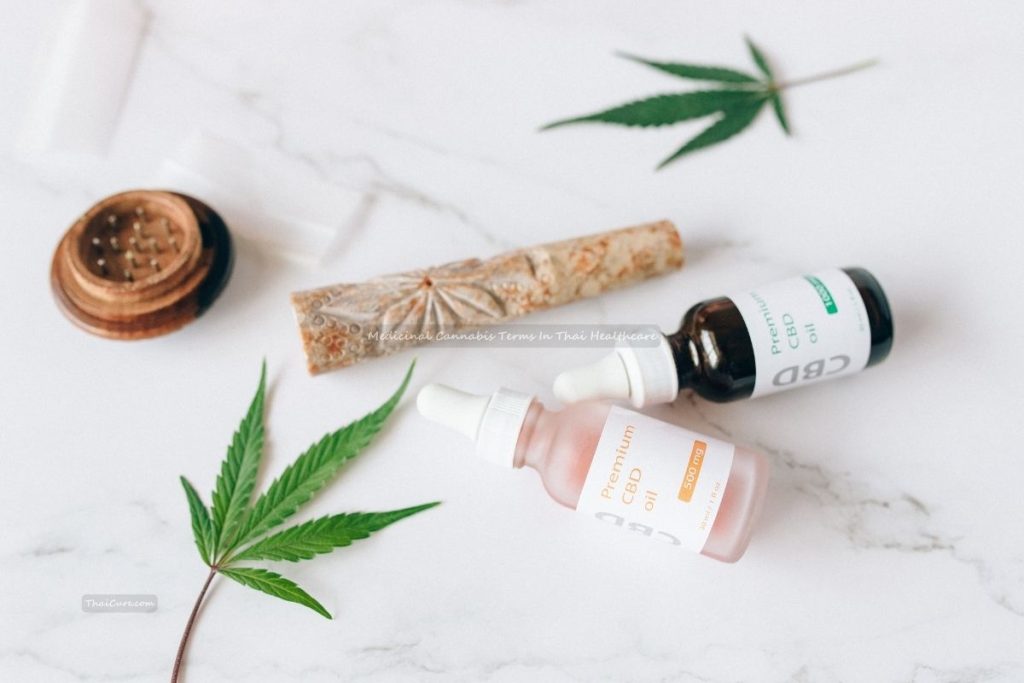
In Thai healthcare, medicinal cannabis should be understood through safety, legal rules, patient suitability, product quality, and professional supervision. It should not be treated as a general wellness trend or ordinary home remedy.
This is one of the most important Medicinal Cannabis Terms In Thai Healthcare because it sets the correct context for the whole topic.
Medical Cannabis
Medical cannabis is often used as another phrase for medicinal cannabis. Both terms usually refer to cannabis discussed for healthcare purposes.
Readers may see both terms in articles, clinics, education materials, and healthcare discussions. The safest way to understand either phrase is to connect it with professional guidance, legal access, and patient safety.
Medical cannabis should not replace diagnosis, prescribed treatment, or emergency medical care.
THC
THC stands for tetrahydrocannabinol. It is one of the best-known compounds found in cannabis. THC is often discussed because it can have psychoactive effects, meaning it may affect mood, thinking, perception, or behavior.
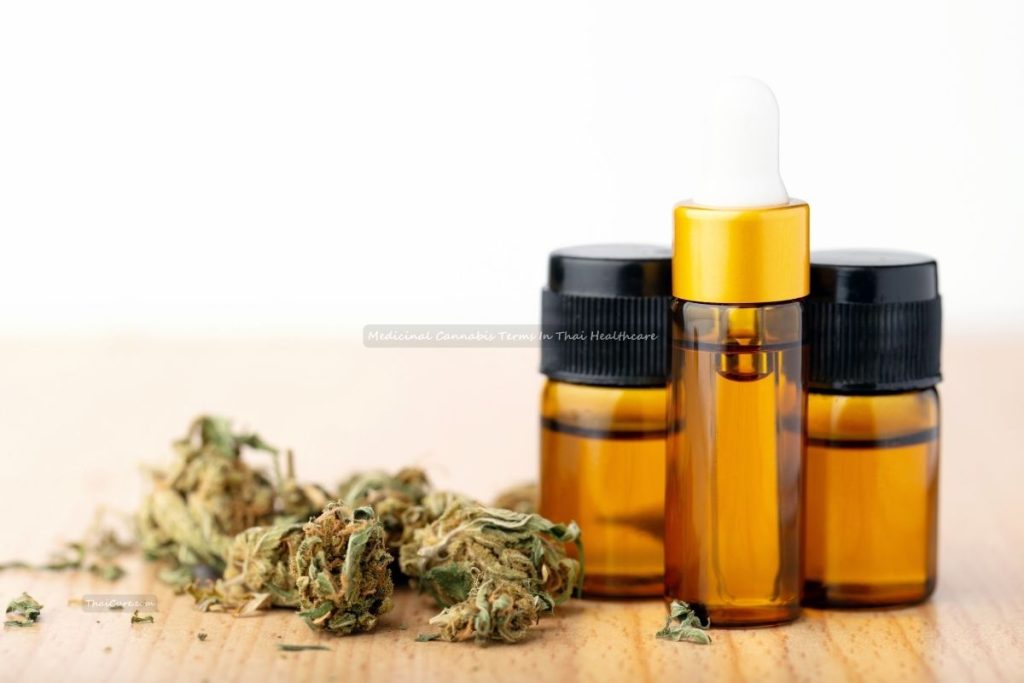
For patients, THC is an important safety term. People may respond differently to THC, and some may experience unwanted effects. This is why THC-related questions should be discussed with a qualified healthcare professional.
When learning Medicinal Cannabis Terms In Thai Healthcare, beginners should understand that THC is not a casual term. It is connected to safety, regulation, and patient suitability.
CBD
CBD stands for cannabidiol. It is another common cannabis compound. CBD is often described as non-intoxicating, but that does not mean it is automatically suitable for everyone.
CBD may still interact with medicines or affect people differently. Product quality, strength, labeling, and medical context still matter.
In Thai healthcare conversations, CBD should be discussed with the same careful attitude as other medical terms. Patients should not assume that CBD products are risk-free simply because they are widely discussed online.
Cannabinoids
Cannabinoids are natural compounds found in the cannabis plant. THC and CBD are two well-known cannabinoids, but they are not the only ones.
For beginners, it is not necessary to memorize every cannabinoid. It is more important to understand that cannabis products may contain different compounds, and those compounds may affect the body in different ways.
This is why product labels, professional explanation, and safety guidance matter when discussing Medicinal Cannabis Terms In Thai Healthcare.
Endocannabinoid System
The endocannabinoid system is a body system involved in several functions, including mood, appetite, sleep, pain signals, and other processes. Cannabis compounds may interact with this system.
Beginners do not need a deep scientific explanation to understand the basic idea. The important point is that cannabis can affect the body, which is why medical guidance is important.
When this term appears in healthcare content, readers should treat it as part of patient education, not as proof that cannabis is suitable for every person.
Licensed Practitioner
A licensed practitioner is a qualified professional who has the required training and legal permission to provide certain types of healthcare guidance.
In Thailand, this may include doctors or licensed Thai medicine practitioners, depending on the healthcare setting and current rules. Patients should ask about qualifications and professional scope before trusting advice.
Among all Medicinal Cannabis Terms In Thai Healthcare, “licensed practitioner” is one of the most practical because it helps readers separate professional guidance from informal advice.
Consultation
A consultation is a professional healthcare discussion. It may include questions about symptoms, medical history, current medicines, allergies, previous treatments, and safety concerns.
A consultation about medicinal cannabis should not feel like a sales conversation. It should focus on whether the topic is relevant, what risks may apply, what legal rules matter, and whether other options should be considered.
Patients can prepare by writing down questions before the appointment.
Prescription
A prescription is a formal healthcare instruction from an authorized medical professional. In the context of medicinal cannabis, this term is closely connected to legal access and professional supervision.
Readers should not treat a prescription as just a piece of paperwork. It is part of a wider medical process that may involve assessment, safety review, product suitability, and follow-up.
This is another reason Medicinal Cannabis Terms In Thai Healthcare should be understood carefully.
Regulated Product
A regulated product is a product that is handled within official rules and quality controls. This may include requirements around labeling, supply, professional access, and safety standards.
Patients should be cautious of products with unclear labels, strong marketing claims, unknown sources, or no professional explanation.
In healthcare, product quality is not a small detail. It can affect safety, legality, and trust.
Product Label
A product label gives information about what a product contains. In a healthcare setting, labels may help professionals understand ingredients, strength, warnings, storage information, and other safety details.
Patients should not try to interpret complex product information alone. If a label is unclear, a qualified professional should explain it.
Good education around Medicinal Cannabis Terms In Thai Healthcare helps readers understand why labels matter but does not replace professional advice.
Side Effects
Side effects are unwanted effects that may happen after using a medicine or healthcare product. With cannabis medicine, possible side effects may include sleepiness, dizziness, dry mouth, mood changes, anxiety, concentration problems, or appetite changes.
Side effects can vary from person to person. Some people may be more sensitive, especially if they have medical conditions or take other medicines.
Patients should ask a qualified healthcare professional what warning signs to watch for and when to seek help.
Medication Interaction
A medication interaction happens when one medicine, supplement, herb, or substance affects how another one works. This can change safety or effectiveness.
This term is especially important for people who take prescription medicines, over-the-counter medicines, herbal products, vitamins, or supplements.
When discussing Medicinal Cannabis Terms In Thai Healthcare, medication interaction should always be taken seriously. Patients should share a complete medicine list during consultations.
Patient Suitability
Patient suitability means whether a healthcare option may be appropriate for a specific person. Suitability depends on many factors, including age, health history, symptoms, medicines, pregnancy status, mental health, and medical conditions.
A healthcare topic may be suitable for one person but unsuitable for another. This is why general online information cannot replace personal medical advice.
Patient suitability is one of the safest and most useful terms for readers to understand.
Thai Traditional Medicine
Thai traditional medicine is a healthcare tradition in Thailand that may include herbal knowledge, bodywork, massage, diet, lifestyle ideas, and holistic wellness principles.
However, medicinal cannabis should not be treated exactly like ordinary herbal tea or general wellness care. It is a regulated healthcare topic and requires extra caution.
When learning Medicinal Cannabis Terms In Thai Healthcare, readers should understand the difference between traditional wellness ideas and regulated medical care.
Thai Healthcare System
The Thai healthcare system includes hospitals, clinics, pharmacies, doctors, public health services, private healthcare, and traditional medicine settings. Medicinal cannabis discussions should happen within this wider healthcare context.
Readers should avoid relying on unverified sellers, informal recommendations, or old information. Healthcare rules can change, and current professional guidance is important.
Understanding the healthcare system helps readers know where professional advice should come from.
Follow-Up Care
Follow-up care means checking back with a healthcare professional after a consultation or treatment plan. It helps monitor safety, progress, side effects, and next steps.
Follow-up care is important because health situations can change. A person may respond differently than expected, or new safety concerns may appear.
A responsible healthcare discussion should include whether follow-up is needed and when to seek help.
Red Flags
Red flags are warning signs that something may be unsafe or unreliable. Examples include unclear product labels, promises of guaranteed results, pressure to buy quickly, no discussion of side effects, or advice from someone without clear qualifications.
Readers should be cautious if a source avoids questions about safety, legality, or professional guidance.
A good understanding of Medicinal Cannabis Terms In Thai Healthcare can help patients notice these warning signs earlier.
How To Use This Glossary Safely
This glossary is for education only. It can help readers understand basic language before speaking with a qualified professional, but it should not be used to make personal healthcare decisions alone.
Readers should use these terms to prepare better questions. For example, they can ask about side effects, medication interactions, product quality, patient suitability, and legal rules.
The safest use of this article is as a preparation tool before a professional consultation.
👉 “After learning the basic terms, you may feel more prepared for discussing cannabis medicine with a Thai doctor.”
Conclusion
Medicinal Cannabis Terms In Thai Healthcare are important because they help readers understand a complex topic more clearly. Terms such as THC, CBD, cannabinoids, licensed practitioner, consultation, prescription, side effects, and medication interaction all connect to safety and responsible healthcare.
Patients should not rely on simple online explanations to make medical decisions. Instead, they should use this information to ask better questions and speak with qualified healthcare professionals.
By understanding Medicinal Cannabis Terms In Thai Healthcare, readers can approach the topic with more confidence, caution, and respect for Thai healthcare rules. The goal is not to rush into decisions, but to become better prepared for safe and informed conversations.
FAQ
What are Medicinal Cannabis Terms In Thai Healthcare?
Medicinal Cannabis Terms In Thai Healthcare are words and phrases used when discussing cannabis medicine in Thailand’s healthcare context, such as THC, CBD, consultation, prescription, and licensed practitioner.
Why should beginners learn these terms?
Beginners should learn these terms so they can better understand safety, legal rules, product quality, and professional guidance before speaking with a healthcare professional.
Is THC the same as CBD?
No. THC and CBD are different cannabis compounds. THC is associated with psychoactive effects, while CBD is often described as non-intoxicating, but both still require safety awareness.
Can online glossaries replace medical advice?
No. A glossary can help with education, but personal healthcare decisions should be discussed with a qualified professional.
What does licensed practitioner mean?
A licensed practitioner is a qualified professional who has the required training and legal permission to provide certain healthcare guidance.
Why do side effects matter?
Side effects matter because people may respond differently to cannabis medicine. Some effects may be mild, while others may require professional advice.
What is a medication interaction?
A medication interaction happens when one medicine, supplement, herb, or substance affects another. This is why patients should share a full medicine list with a healthcare professional.
How should readers use this article?
Readers should use this article as a learning tool before a professional consultation, not as personal medical advice.


