
- Introduction:
- What Is Medicinal Cannabis?
- Medicinal Cannabis And Traditional Thai Medicine
- Who Can Give Professional Guidance?
- Important Safety Considerations
- Legal Considerations In Thailand
- Working with a Licensed Thai Medicine Practitioner
- Questions Patients Should Ask A Practitioner
- Who Should Be Extra Careful?
- How To Approach Medicinal Cannabis And Thai Medicine Safely
- How ThaiCure Readers Should Approach This Topic
- Conclusion
- FAQ
- What is medicinal cannabis and how does it work?
- Is medicinal cannabis the same as recreational cannabis?
- Can medicinal cannabis be part of Thai traditional medicine?
- Can I use medicinal cannabis if I have a medical condition?
- Who should be extra careful with medicinal cannabis?
- Is medicinal cannabis legal in Thailand?
- What should I ask a Thai medicine practitioner?
- How do I get a license to practice traditional Thai medicine?
- Can I buy medicinal cannabis products in Thailand without a prescription?
- How do I find a licensed Thai medicine practitioner in Thailand?
- Does this article give medical advice?
Introduction:
Medicinal cannabis in Thai traditional medicine is an important topic for patients, families, and people who want to understand how cannabis may relate to traditional Thai healthcare. In Thailand, cannabis has been discussed in connection with herbal care, traditional medicine, patient support, and modern medical rules.
👉 “For more background on traditional plant-based care, you can also read about Thai Herbal Remedies.”
However, medicinal cannabis is not the same as general wellness herbs. It should be approached carefully, legally, and with professional guidance. This article is for education only. It does not give dosage advice, product instructions, or treatment recommendations. Anyone considering medicinal cannabis should speak with a qualified healthcare professional or licensed Thai medicine practitioner.
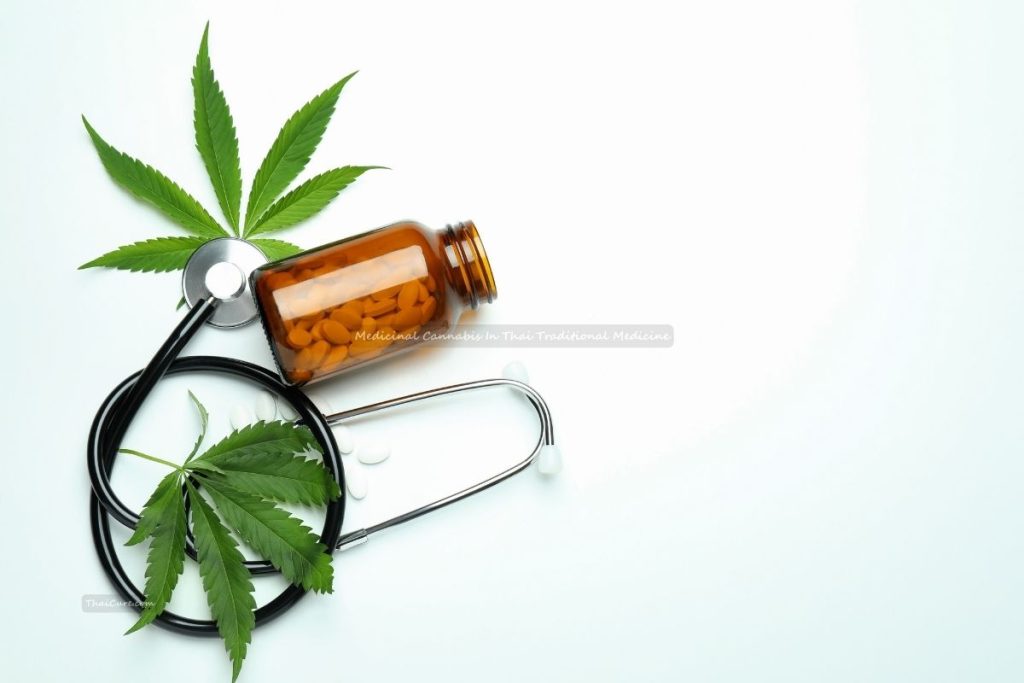
In this guide, we will look at what medicinal cannabis means, how it may relate to Thai traditional medicine, who can give professional guidance, what safety issues patients should consider, and what questions people should ask before making decisions.
What Is Medicinal Cannabis?
Medicinal cannabis refers to cannabis or cannabis-derived products that are considered in a healthcare setting for medical or therapeutic purposes. It is different from recreational cannabis use because the focus is on patient care, professional assessment, safety, and legal rules.
Medicinal cannabis may involve different plant compounds, including cannabinoids such as THC and CBD. These compounds can affect the body in different ways. Because cannabis can have strong effects and may interact with health conditions or medication, it should not be treated like a simple home remedy.
For patients, the most important point is that medicinal cannabis should be discussed with a professional. A qualified practitioner can consider personal health history, current medication, age, symptoms, risks, and whether cannabis is suitable or not.
In ThaiCure content, medicinal cannabis should always be presented as a serious healthcare topic. It should not be promoted as a quick cure, lifestyle trend, or casual wellness product.
Medicinal Cannabis And Traditional Thai Medicine
Traditional Thai medicine has a long history of using herbs, natural ingredients, body care, massage, diet, and lifestyle practices to support balance and wellbeing. Thai medicine often looks at the whole person, including the body, daily habits, environment, and overall condition.
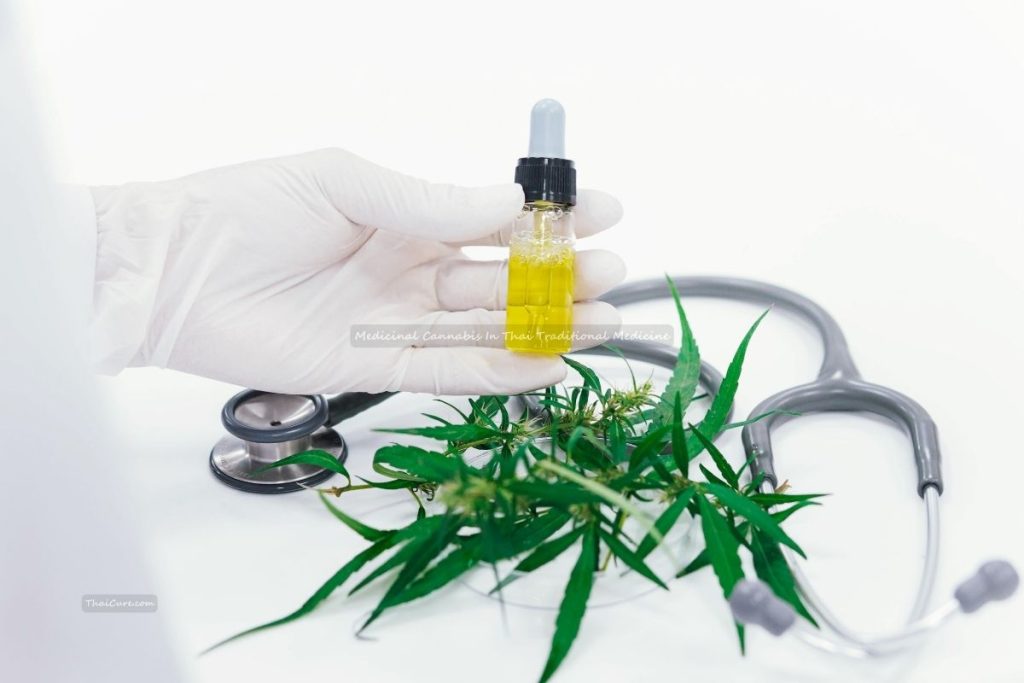
Cannabis has historical and modern connections with herbal medicine, but it is more sensitive than many common Thai herbs. Ingredients such as ginger, turmeric, lemongrass, galangal, and kaffir lime are often used in everyday Thai wellness and cooking. Cannabis, however, requires much more caution because of its possible effects, legal restrictions, and patient safety concerns.
In a traditional Thai medicine context, cannabis should not be separated from professional care. A practitioner may need to consider the patient’s condition, constitution, symptoms, lifestyle, and other herbs or medicines the patient is already using.
This is why medicinal cannabis and Thai medicine should be discussed as part of responsible patient care, not as a general self-care trend.
Choosing the Right Medicinal Cannabis Strain
When selecting a medicinal cannabis strain, consider the specific health issue you’re trying to address. For example, if you’re looking to alleviate pain, a strain with high CBD content may be more effective than one with high THC. Research different strains and their corresponding effects to find the best fit for your needs.
Some popular medicinal cannabis strains in Thailand include:
- Harlequin: Known for its high CBD content and low THC levels, making it an excellent choice for pain management.
- Sour Diesel: A strain with a balanced ratio of CBD to THC, making it suitable for both pain relief and mood enhancement.
Preparing Medicinal Cannabis for Use in Thai Medicine
To incorporate medicinal cannabis into your traditional Thai medicine routine, you’ll need to prepare the cannabis oil or extract. This can be done by:
Using a cannabis oil tincture and mixing it with other herbal remedies, such as turmeric or ginger.
Infusing cannabis oil into food items like smoothies or soups.
Creating a topical cream or salve using cannabis oil and coconut oil.
When preparing medicinal cannabis for use in Thai medicine, be sure to follow proper dosing guidelines and consult with a licensed Thai medicine practitioner for personalized advice.
Who Can Give Professional Guidance?
Patients should seek guidance from qualified professionals, such as licensed medical doctors, licensed Thai traditional medicine practitioners, or other properly authorized healthcare providers, depending on the current rules and the patient’s situation.
A qualified practitioner can help patients understand whether medicinal cannabis is appropriate, what risks may apply, and whether another form of care may be safer or more suitable.
Professional guidance is especially important because cannabis may not be suitable for everyone. It may affect mood, alertness, sleep, concentration, heart rate, and other body systems. It may also interact with certain medicines or worsen some health conditions.
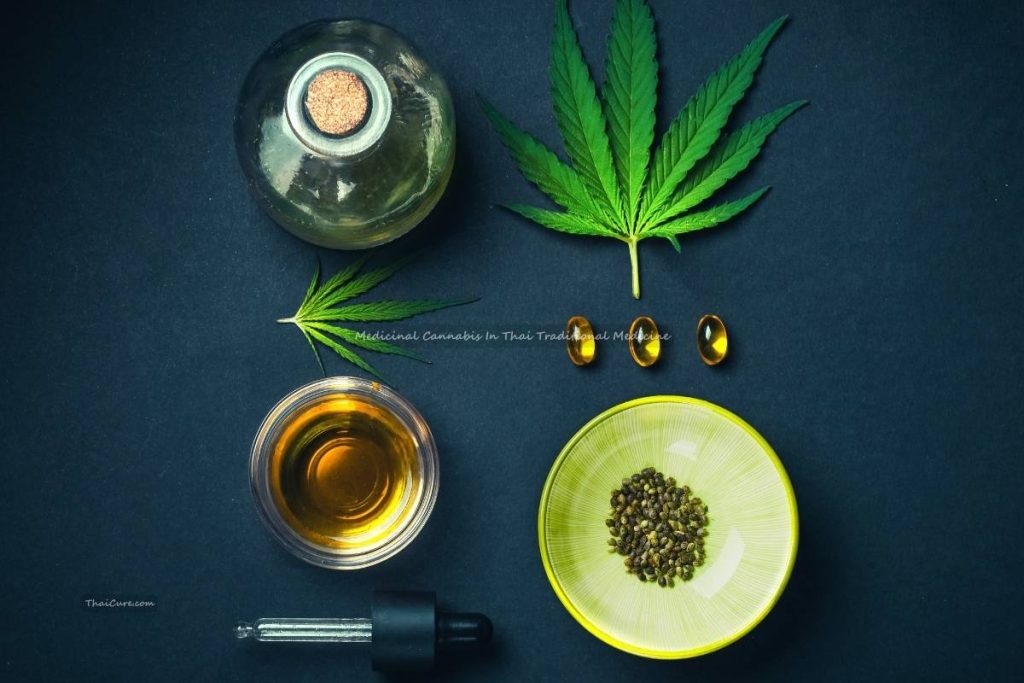
Patients should avoid making decisions based only on online advice, social media, product marketing, or personal stories from other people. What works for one person may not be safe or appropriate for another.
Important Safety Considerations
Safety should always come first when discussing medicinal cannabis and Thai medicine. Cannabis is a powerful plant and should not be treated casually.
Before considering medicinal cannabis, patients should think about these safety points:
- Do not use medicinal cannabis without professional guidance.
- Tell your practitioner about all medicines, supplements, and herbs you use.
- Tell your practitioner about any physical or mental health conditions.
- Avoid cannabis if you are unsure whether it is legal or appropriate for your situation.
- Do not drive or operate machinery if a product may affect alertness or reaction time.
- Be careful with products that do not clearly show ingredients, source, or professional approval.
- Stop and seek help if you experience worrying side effects or unusual symptoms.
It is also important to remember that “natural” does not always mean “safe.” Many natural ingredients can affect the body strongly. This is especially true with cannabis.
Patients should also be careful with product claims. Be cautious of any product or seller that promises fast cures, guaranteed results, or treatment for serious disease without proper medical support.
Legal Considerations In Thailand
Cannabis rules in Thailand have changed over time, and they can continue to change. For this reason, patients and visitors should always check current official guidance before making decisions.
In recent years, Thailand moved from wider public access toward stricter medical control. The direction of regulation has focused on limiting recreational use and keeping cannabis use within medical or professional healthcare contexts.
For ThaiCure articles, the safest approach is to avoid giving instructions about buying, using, preparing, or choosing cannabis products. Content should focus on education, patient safety, legal awareness, and the importance of professional guidance.
Visitors and residents should also understand that rules may differ depending on the type of product, THC content, medical documentation, practitioner guidance, and official updates. Because the legal situation can change, patients should rely on qualified professionals and official sources rather than old blog posts or social media advice.
Working with a Licensed Thai Medicine Practitioner
One of the most effective ways to integrate medicinal cannabis and traditional Thai medicine into your life is by working with a licensed practitioner. These experts have undergone extensive training in both Western-style medicine and natural herbal remedies, allowing them to provide comprehensive care that addresses your unique needs.
A licensed Thai medicine practitioner can help you develop a personalized treatment plan that incorporates medicinal cannabis and other natural ingredients. They may also be able to offer guidance on how to use these remedies safely and effectively, reducing the risk of adverse interactions or side effects.
Questions Patients Should Ask A Practitioner
Before discussing medicinal cannabis, patients can prepare useful questions. These questions can help make the consultation safer and clearer.
- Is medicinal cannabis legally appropriate for my situation?
- Is it suitable for my health condition and personal health history?
- Could it interact with my current medicine, supplements, or herbs?
- Are there safer alternatives I should consider first?
- What side effects should I watch for?
- Who should I contact if I feel unwell?
- How will my progress or reaction be monitored?
- What should I avoid while using any cannabis-related treatment?
- Is this product or treatment from a legal and professional source?
Patients should feel comfortable asking questions. A responsible practitioner should explain risks, limitations, and safety considerations in a clear way.
Who Should Be Extra Careful?
Some people should be especially careful with medicinal cannabis. This includes people who are pregnant, breastfeeding, elderly, taking multiple medications, or managing chronic health conditions.
People with heart conditions, liver problems, mental health concerns, a history of substance misuse, or sensitivity to strong herbal products should also seek professional advice before considering anything cannabis-related.
Children and teenagers should not be given cannabis products unless this is part of properly supervised medical care under qualified healthcare professionals and legal rules. Cannabis can affect the developing brain and body, so extra caution is essential.
Patients should also be careful with products marketed as “natural,” “organic,” or “herbal” if the source is unclear. Quality, contamination, strength, and labeling can vary. Professional guidance helps reduce these risks.
How To Approach Medicinal Cannabis And Thai Medicine Safely
As you embark on your journey to explore medicinal cannabis and Thai medicine, it’s essential to consider several factors that will help you make informed decisions about your health. Firstly, consult with a licensed Thai medicine practitioner who can guide you through the process and ensure that you’re using high-quality products.
Additionally, research the different types of medicinal cannabis available in Thailand, including CBD-rich strains and THC-dominant varieties. Understanding the effects and benefits of each strain will help you choose the right product for your specific needs.
Thai herbal wellness is a holistic approach to health that incorporates natural ingredients, traditional remedies, and spiritual practices. By incorporating Thai herbal medicine into your routine, you can enhance your overall well-being and address various health concerns.
When selecting natural thai remedies, look for products that are made from high-quality, organic ingredients and are free from additives and preservatives. Always follow the recommended dosage and usage guidelines to ensure safe and effective treatment.
Medicinal cannabis in Thailand is a rapidly growing industry, with many licensed practitioners and clinics offering a range of services. By choosing a reputable practitioner or clinic, you can trust that you’re receiving high-quality care and guidance.
Thai traditional medicine has been practiced for centuries, and its principles are still widely used today. By understanding the underlying philosophy and practices of Thai traditional medicine, you can gain a deeper appreciation for the art of healing and make informed decisions about your health.
Finally, remember that medicinal cannabis and Thai medicine are not a replacement for conventional medical treatment. Always consult with a healthcare professional before using any new therapies or products, especially if you have a pre-existing condition or are taking prescription medications.
👉 “For more background on the wider local context, you can read our guide on Medicinal Cannabis In Thailand.”
How ThaiCure Readers Should Approach This Topic
For readers interested in medicinal cannabis and Thai medicine, the best approach is education first. Learn the basic terms, understand the safety issues, and speak with qualified professionals before making any decision.
Thai traditional medicine can offer valuable knowledge about herbs, body balance, lifestyle, and natural care. But medicinal cannabis is a specialized topic and should be handled with more caution than everyday wellness herbs.
Good information should help patients ask better questions, understand risks, and avoid unsafe choices. It should not encourage self-treatment or casual experimentation.
👉 “To understand the wider background, you can also read about traditional Thai medicine for overall wellness.”
Conclusion
Medicinal cannabis and Thai medicine is a serious topic that should be approached with care, respect, and professional guidance. Cannabis may have a place in certain medical discussions, but it is not suitable for everyone and should not be used casually.
For ThaiCure readers, the most important message is safety. Learn the basics, understand the legal situation, avoid exaggerated claims, and speak with a qualified practitioner before considering any cannabis-related treatment or product.
Traditional Thai medicine has a rich history of herbal knowledge and natural care. When medicinal cannabis is discussed within this field, it should be done responsibly, legally, and with the patient’s wellbeing as the main priority.
FAQ
What is medicinal cannabis and how does it work?
Medicinal cannabis refers to the use of the cannabis plant for therapeutic purposes. It contains compounds called cannabinoids, which interact with the body’s endocannabinoid system to produce a range of effects, including pain relief, reduced inflammation, and improved mood. In traditional Thai medicine, medicinal cannabis is often used in combination with other herbs and ingredients to enhance its effectiveness.
Is medicinal cannabis the same as recreational cannabis?
No. Medicinal cannabis focuses on patient care, professional guidance, safety, and legal rules. Recreational use is different and may not be legal or appropriate depending on the situation.
Can medicinal cannabis be part of Thai traditional medicine?
Medicinal cannabis may be discussed in relation to Thai herbal medicine and traditional care, but it should only be approached with proper professional guidance and legal awareness.
Can I use medicinal cannabis if I have a medical condition?
No, it’s not recommended to use medicinal cannabis without consulting a licensed Thai medicine practitioner first. Certain medical conditions, such as epilepsy or cancer, may require special consideration when using medicinal cannabis. A qualified practitioner can help determine whether medicinal cannabis is safe and effective for your specific condition.
Who should be extra careful with medicinal cannabis?
Pregnant or breastfeeding people, children, teenagers, elderly people, people taking medication, and people with chronic health or mental health conditions should be especially careful and seek professional advice.
Is medicinal cannabis legal in Thailand?
Thailand’s cannabis rules have changed over time and continue to be sensitive. Current rules focus on medical purposes and professional control, so patients should check official guidance and speak with qualified professionals.
What should I ask a Thai medicine practitioner?
Ask whether medicinal cannabis is legally and medically suitable for your situation, whether it may interact with other medicines or herbs, what risks may apply, and whether safer alternatives exist.
How do I get a license to practice traditional Thai medicine?
In Thailand, becoming a licensed traditional Thai medicine practitioner requires completing a rigorous training program at an accredited university or college. The program typically takes several years to complete and covers topics such as herbal medicine, acupuncture, and massage therapy.
Can I buy medicinal cannabis products in Thailand without a prescription?
No, it’s not possible to buy medicinal cannabis products in Thailand without a prescription from a licensed Thai medicine practitioner. The sale of medicinal cannabis is strictly regulated in the country, and only authorized practitioners are allowed to prescribe and sell these products.
How do I find a licensed Thai medicine practitioner in Thailand?
You can find a licensed Thai medicine practitioner in Thailand by contacting the Department of Traditional Medicine at the Ministry of Public Health. They maintain a list of authorized practitioners who have completed the necessary training and certification programs.
Does this article give medical advice?
No. This article is for education only. It does not provide diagnosis, dosage, treatment instructions, or product recommendations.


