
- Introduction
- What Medicinal Cannabis Means In Thai Healthcare
- How Thai Healthcare Traditions View Wellness
- The Role Of Licensed Thai Practitioners
- Why Patient Education Matters
- Medicinal Cannabis Is Not A Replacement For Medical Care
- How Thai Traditional Medicine Connects With Herbal Knowledge
- Safety Questions Patients Should Ask
- Understanding Product Quality And Regulation
- How Medicinal Cannabis Fits Into A Wider Wellness Plan
- Who Should Be Especially Careful
- Common Misunderstandings About Medicinal Cannabis
- How To Read Medicinal Cannabis Information Responsibly
- Planning A Safe Conversation With A Practitioner
- Conclusion
- FAQ
- What does Medicinal Cannabis And Thai Healthcare Traditions mean?
- Is medicinal cannabis the same as Thai herbal wellness?
- Why are licensed practitioners important?
- Can medicinal cannabis replace normal medical treatment?
- What should patients ask before discussing cannabis medicine?
- Are cannabis rules in Thailand always the same?
- Who should be especially careful?
- Is online information enough to make a decision?
Introduction
Medicinal Cannabis And Thai Healthcare Traditions is an important topic for readers who want to understand how cannabis medicine is discussed within Thailand’s wider health, wellness, and traditional care context. In Thailand, healthcare is influenced by modern medicine, Thai traditional medicine, herbal knowledge, licensed practitioners, and a strong focus on balanced wellbeing.
Medicinal cannabis should not be viewed as a casual wellness product or a simple home remedy. It is a regulated healthcare topic that requires professional guidance, legal awareness, and careful patient education. For this reason, anyone interested in cannabis medicine in Thailand should begin by understanding the healthcare setting around it.
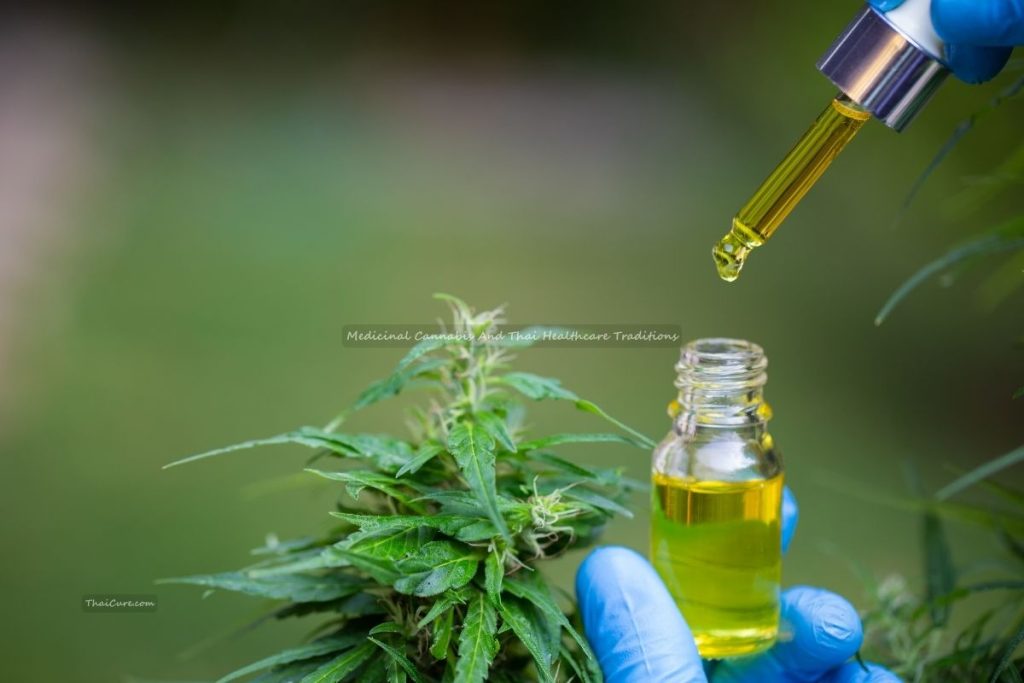
This guide explains Medicinal Cannabis And Thai Healthcare Traditions in a simple and beginner-friendly way, including how Thai healthcare traditions approach natural care, why licensed practitioners matter, and what patients should consider before discussing cannabis medicine.
👉 “For a broader herbal wellness angle, readers may also enjoy these Natural Healing Ideas With Thai Herbs.”
What Medicinal Cannabis Means In Thai Healthcare
Medicinal cannabis refers to cannabis used in a healthcare context under professional guidance. It may be discussed for specific patient needs, but it should not be confused with recreational cannabis use or informal self-treatment.
In Thailand, medicinal cannabis is connected to healthcare rules, licensed practitioners, product safety, patient assessment, and follow-up care. This means patients should not rely only on online advice, shop recommendations, or general wellness claims.
The safest approach is to speak with a qualified healthcare professional or licensed Thai medicine practitioner who understands the legal and medical context. This helps patients receive information that is suitable for their health situation rather than general advice that may not apply to them.
How Thai Healthcare Traditions View Wellness
Thai healthcare traditions often take a broad view of health. Instead of looking only at one symptom, traditional Thai wellness may consider lifestyle, food, rest, body balance, herbal care, massage, emotional wellbeing, and long-term health habits.
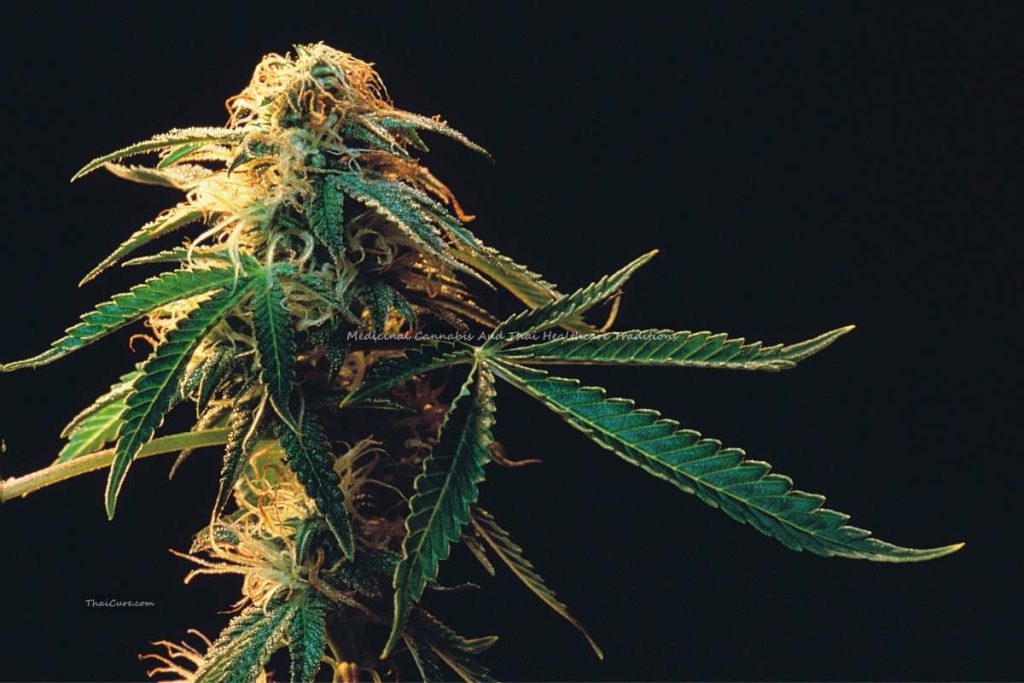
This wider view is one reason why Medicinal Cannabis And Thai Healthcare Traditions should be discussed carefully. Cannabis medicine is not separate from the rest of a person’s health. A practitioner may need to understand the patient’s overall condition, current medicines, symptoms, habits, and wellness goals before giving guidance.
Thai traditional care also places importance on balance and suitability. What is appropriate for one person may not be suitable for another. This is especially important with cannabis medicine because people may respond differently depending on their health, age, medicine use, and personal sensitivity.
The Role Of Licensed Thai Practitioners
Licensed practitioners are important because medicinal cannabis requires careful evaluation. A qualified practitioner can help explain whether cannabis medicine is relevant to a patient’s situation, what safety points matter, and what legal requirements may apply.
In Thai healthcare traditions, professional guidance is especially valuable because practitioners may consider both modern health concerns and traditional wellness principles. This can help patients avoid unsafe assumptions and better understand how cannabis medicine fits into a wider care discussion.
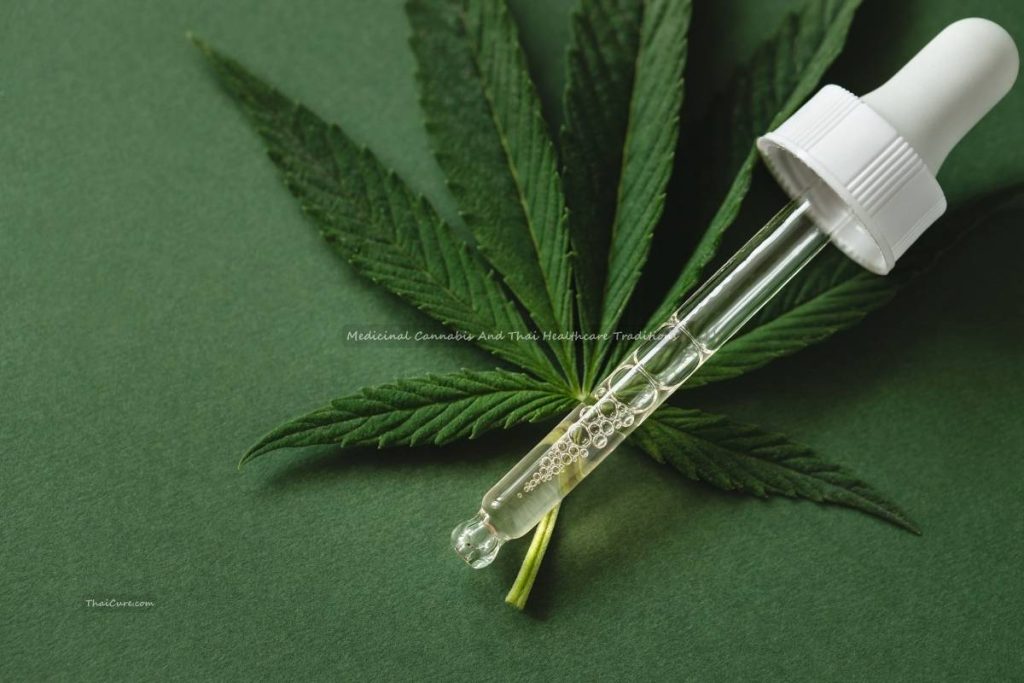
Patients should look for qualified professionals and avoid unverified advice. If a provider cannot clearly explain safety, legality, product standards, and follow-up care, that is a sign to be cautious.
Why Patient Education Matters
Patient education is one of the most important parts of Medicinal Cannabis And Thai Healthcare Traditions. Before discussing cannabis medicine, patients should understand basic terms, possible risks, legal rules, product quality concerns, and the importance of professional support.
Education helps patients ask better questions. For example, instead of asking only whether cannabis medicine “works,” patients can ask about suitability, safety, interactions, side effects, legal access, and monitoring.
Good education also helps reduce confusion. Cannabis medicine is often discussed online in a way that is too casual or too promotional. A healthcare-focused article should stay balanced and remind readers that cannabis medicine is a serious topic, not a trend.
Medicinal Cannabis Is Not A Replacement For Medical Care
One of the most important points to understand is that medicinal cannabis is not a replacement for conventional medical treatment. Patients should not stop prescribed medicine or delay medical care because of something they read online.
Anyone with a medical condition should speak with a qualified healthcare professional before considering cannabis medicine. This is especially important for people who take prescription medication, have mental health concerns, have heart or liver conditions, are pregnant or breastfeeding, or are caring for children or older adults.
In a safe healthcare setting, cannabis medicine should be discussed as one possible topic within a wider care plan, not as a guaranteed solution.
How Thai Traditional Medicine Connects With Herbal Knowledge
Thai traditional medicine has a long history of using herbs, natural ingredients, bodywork, massage, steam, compresses, and lifestyle practices. This does not mean that all herbs or natural products are automatically safe for everyone.
When discussing Medicinal Cannabis And Thai Healthcare Traditions, it is important to separate general herbal wellness from regulated medicinal cannabis. Herbal teas, massage oils, compresses, and food-based wellness habits are different from cannabis medicine and should not be treated the same way.
Traditional herbal knowledge can help readers understand Thailand’s wider wellness culture, but cannabis medicine still requires professional guidance, legal awareness, and safety checks.
Safety Questions Patients Should Ask
Patients who are preparing for a discussion with a practitioner can think about safety questions in advance. These questions should focus on suitability, risks, and responsible care.
- Is this discussion appropriate for my health condition?
- Could cannabis medicine interact with my current medication?
- What side effects should I understand?
- What legal rules apply in Thailand?
- How do I know whether a product is regulated and safe?
- What follow-up care is needed?
- Are there safer alternatives I should consider first?
These questions help keep the conversation health-focused instead of product-focused. They also help patients understand that professional care is about safety, not just access.
Understanding Product Quality And Regulation
Product quality is a key issue in medicinal cannabis. Patients should avoid unverified products, unclear labels, informal sellers, and advice that sounds too simple or promotional.
In a healthcare context, patients should ask whether products are legally supplied, properly labeled, professionally recommended, and suitable for their situation. They should also understand that regulations can change, so current local rules should always be checked through official or professional sources.
This is another reason why licensed guidance matters. A qualified professional can help patients avoid unsafe products and understand what is allowed within the healthcare system.
How Medicinal Cannabis Fits Into A Wider Wellness Plan
Thai healthcare traditions often encourage a wider view of wellbeing. A practitioner may also discuss sleep, food, stress, activity, pain patterns, existing conditions, and daily routines.
This wider approach can help patients understand that cannabis medicine is not the only part of care. Natural wellness habits such as balanced meals, rest, gentle movement, stress management, and safe herbal practices may also support general wellbeing.
However, wellness habits should not replace medical advice. The goal is to combine safe lifestyle choices with proper professional care when needed.
Who Should Be Especially Careful
Some people should be especially cautious before discussing or considering medicinal cannabis. This includes people who are pregnant or breastfeeding, people with a history of serious mental health conditions, people taking multiple medications, older adults, people with liver or heart concerns, and anyone with a complex medical history.
Families should also be careful when reading about cannabis medicine online. Content written for adults may not be suitable for children or young people. Any healthcare decision involving children must be handled by qualified medical professionals.
When in doubt, the safest choice is to ask a healthcare professional rather than trying to interpret general information alone.
Common Misunderstandings About Medicinal Cannabis
One common misunderstanding is that “natural” always means safe. Cannabis comes from a plant, but that does not mean it is suitable for everyone or safe in every situation.
Another misunderstanding is that cannabis medicine works the same way for every person. In reality, people may respond differently, and some may experience unwanted effects or interactions.
A third misunderstanding is that traditional medicine and cannabis medicine are automatically the same. Thai traditional medicine has many natural practices, but medicinal cannabis is a regulated healthcare topic that should be handled with extra care.
How To Read Medicinal Cannabis Information Responsibly
Readers should be careful when reading cannabis information online. Some content may be outdated, overly promotional, or written without enough medical or legal context.
Good information should explain safety, professional guidance, legal awareness, and individual differences. It should avoid promising results or encouraging self-treatment.
When learning about Medicinal Cannabis And Thai Healthcare Traditions, readers should use educational content as a starting point, not as a final medical decision. A qualified practitioner should always be involved before any personal healthcare choice is made.
Planning A Safe Conversation With A Practitioner
Before speaking with a practitioner, patients can prepare a simple health summary. This may include current symptoms, medical history, medicines, supplements, allergies, previous treatments, and personal concerns.
Patients can also write down questions in advance. This makes the consultation easier and helps ensure that important topics are not forgotten.
A safe conversation should feel respectful, clear, and professional. Patients should feel able to ask questions about risks, legal rules, product quality, and alternatives.
👉 “For a broader local overview, readers may also find this guide to Medicinal Cannabis In Thailand.”
Conclusion
Medicinal Cannabis And Thai Healthcare Traditions is a topic that should be approached with care, respect, and professional guidance. Thailand has a rich tradition of natural wellness and Thai traditional medicine, but medicinal cannabis belongs in a regulated healthcare discussion rather than casual self-treatment.
Patients should focus on education, safety, legal awareness, and licensed support. Understanding basic terms, possible risks, practitioner roles, product quality, and personal health factors can help readers make better decisions before discussing cannabis medicine.
The best approach is to stay informed, avoid unverified products or advice, and speak with a qualified healthcare professional. With the right guidance, readers can better understand how medicinal cannabis may be discussed within Thai healthcare traditions while keeping safety and responsible care at the center.
FAQ
What does Medicinal Cannabis And Thai Healthcare Traditions mean?
It refers to how cannabis medicine is discussed within Thailand’s wider healthcare setting, including Thai traditional medicine, licensed practitioners, patient education, safety, and legal rules.
Is medicinal cannabis the same as Thai herbal wellness?
No. Thai herbal wellness includes many natural practices, but medicinal cannabis is a regulated healthcare topic and should be handled with professional guidance.
Why are licensed practitioners important?
Licensed practitioners can help patients understand suitability, safety, possible interactions, legal requirements, and follow-up care.
Can medicinal cannabis replace normal medical treatment?
No. It should not replace conventional medical treatment or prescribed medication unless a qualified healthcare professional gives appropriate guidance.
What should patients ask before discussing cannabis medicine?
Patients can ask about safety, suitability, side effects, medication interactions, legal rules, product quality, and follow-up care.
Are cannabis rules in Thailand always the same?
No. Rules can change, so patients should check current guidance from official sources or qualified professionals before making decisions.
Who should be especially careful?
Pregnant or breastfeeding people, children, older adults, people taking medication, and anyone with serious health conditions should be especially cautious and seek professional medical advice.
Is online information enough to make a decision?
No. Online information can help with basic education, but personal healthcare decisions should be made with a qualified healthcare professional.


