

- Introduction
- Why Product Information Deserves Careful Review
- Start With The Exact Product Name
- Identify The Product Form
- Read The Full Ingredient List
- Check Whether Key Components Are Clearly Identified
- Look For Clear Quantity And Concentration Information
- Record The Manufacturer Or Responsible Company
- Check The Batch Or Lot Number
- Find The Manufacturing And Expiry Dates
- Review Storage Information
- Look For Warnings And Precautions
- Check Whether Instructions Are Complete And Legible
- Separate Medical Information From Marketing Claims
- Be Careful With Broad Wellness Promises
- Check Whether Evidence Is Actually Referenced
- Do Not Treat Testimonials As Product Evidence
- Compare The Package With Supporting Documents
- Keep A Photograph Of Every Label Panel
- Create A Product Information Summary
- Mark Missing Information Clearly
- Watch For Packaging And Documentation Red Flags
- Herbal Does Not Mean Risk-Free
- Keep Product Details Separate From Personal Health Records
- Questions That Product Information Cannot Answer
- How This Article Differs From General Cannabis Safety Guidance
- Common Product-Information Mistakes
- Conclusion
- FAQ
- What is Medicinal Cannabis Product Information?
- Is the front label enough?
- Should herbal cannabis products be reviewed differently?
- What should I do when information is missing?
- Are customer testimonials reliable product evidence?
- Can product information tell me whether a product is suitable for me?
- Why should I record the batch number?
- Should I keep the original packaging?
Introduction
Medicinal Cannabis Product Information can contain important details about a product’s identity, ingredients, warnings, storage conditions, manufacturer, batch information, and intended medical context. Understanding how to organise this information can help patients prepare for a clearer discussion with a qualified healthcare professional.
This guide does not explain how to obtain, select, dose, or use medicinal cannabis. It also does not determine whether a product is appropriate for a particular person. Its purpose is narrower: to help readers recognise which details should be present, which claims need clarification, and which questions may require professional review.
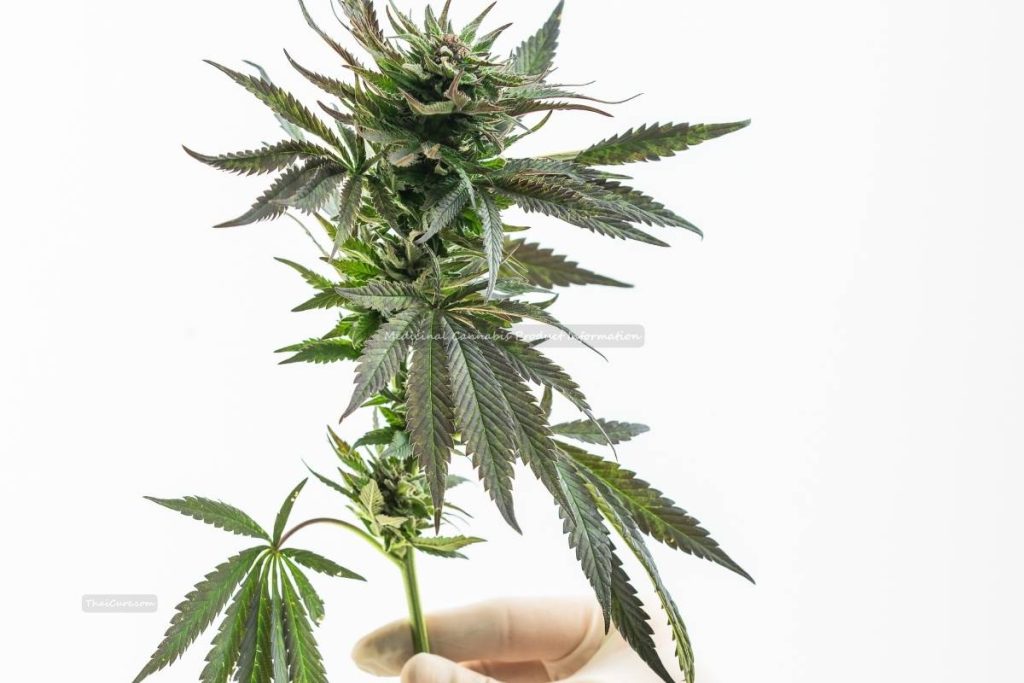
By examining Medicinal Cannabis Product Information carefully, patients can avoid relying only on packaging design, informal recommendations, social-media promotion, or broad wellness promises.
👉 “When recording your wider wellness routine, include non-medical practices such as these Gentle Facial Massage Ideas For Home Self-Care.”
Why Product Information Deserves Careful Review
Medicinal products should be understood through clear documentation, not through appearance or marketing alone. Two packages may look similar while containing different ingredients, warnings, formulations, or storage instructions.
Clear product information helps a qualified professional understand exactly what is being discussed. Missing or inconsistent details can make it difficult to assess the product’s identity or determine whether the information is reliable.
Reviewing Medicinal Cannabis Product Information does not replace medical assessment. It simply gives the patient a more organised way to record what the label and supporting documents actually say.
Start With The Exact Product Name
Write down the complete product name exactly as it appears on the package. Avoid shortening it or replacing it with a general description such as “cannabis oil” or “herbal cannabis product.”
Some products may have similar names but different formulations. Recording the exact name reduces confusion when discussing the product with a healthcare professional.
If the name differs between the outer packaging, inner container, receipt, or supporting document, note each version rather than guessing which one is correct.
Identify The Product Form
The label should make the product form clear. This may be described using terms such as an oil, extract, capsule, topical preparation, or another regulated formulation.
Record only the form stated on the package. Do not infer the form from appearance alone.
Understanding the stated form is part of reviewing Medicinal Cannabis Product Information, but it does not tell you whether that product is suitable or how it should be used. Those questions belong to a qualified practitioner.
Read The Full Ingredient List
Look for a complete ingredient list rather than focusing only on the word “cannabis.” Products may contain carrier ingredients, herbal extracts, flavourings, stabilising ingredients, preservatives, or other substances.
Copy the ingredient list accurately or take a clear photograph. This can be useful if you need to discuss allergies, sensitivities, or possible interactions.
If the product is described as herbal, natural, traditional, or wellness-based, that wording should not replace a proper ingredient list. “Natural” is a marketing description, not a complete safety explanation.
Check Whether Key Components Are Clearly Identified
Some medicinal cannabis labels may refer to specific cannabis-related components. The way these are described should be clear and consistent across the package and supporting documents.
Do not try to interpret unfamiliar abbreviations or technical terms on your own. Record them exactly and ask a qualified professional to explain what they mean.
Avoid assuming that one component is automatically harmless or appropriate simply because it is described as non-intoxicating, plant-based, natural, or mild.
Look For Clear Quantity And Concentration Information
Medicinal Cannabis Product Information may include quantities, concentrations, ratios, or measurement units. These details should be written clearly and consistently.
Your task is not to calculate a dose or decide how much to use. Instead, check whether the numbers and units are present, readable, and consistent across the label and accompanying paperwork.
If you see several numbers that appear contradictory or difficult to interpret, mark them for professional clarification.
Record The Manufacturer Or Responsible Company
Look for the name of the manufacturer, responsible company, licensed provider, or other organisation identified on the package.
A complete label may also include contact details, an address, a website, or customer-information information. Record what is shown without assuming that professional-looking branding proves legitimacy.
If no responsible organisation is clearly named, this is an important point to raise before relying on the product information.
Check The Batch Or Lot Number
A batch or lot number helps identify a particular production group. It can be important when discussing quality concerns, recalls, packaging problems, or differences between products with the same name.
Record the number exactly. If it is smudged, missing, covered, or inconsistent between the package and container, note that clearly.
This detail is one of the most useful parts of Medicinal Cannabis Product Information because it connects the individual package to its production record.
Find The Manufacturing And Expiry Dates
Look for the manufacturing date, expiry date, or recommended use period after opening. These may appear on the box, bottle, label, seal, or supporting documentation.
Do not rely only on the appearance or smell of a product to judge whether it is still suitable. Record the dates and follow professional or official guidance when anything is unclear.
If the dates are missing, unreadable, altered, or inconsistent, do not try to solve the problem by guessing.
Review Storage Information
Storage instructions may refer to temperature, light, moisture, refrigeration, container closure, or keeping the product away from children and other household members.
Copy these instructions exactly. Avoid replacing them with general advice found online because different formulations may have different requirements.
Storage information belongs in this article only as a label-review point. Questions about personal handling or continued suitability should be directed to an appropriate professional.
Look For Warnings And Precautions
Warnings may appear in small print, separate inserts, package panels, or attached documentation. Review all parts of the package rather than only the front label.
Warnings may refer to specific health situations, possible unwanted effects, activities requiring alertness, age restrictions, pregnancy, breastfeeding, allergies, or interaction concerns.
Do not decide that a warning does not apply to you without professional advice. Include all listed warnings when recording Medicinal Cannabis Product Information.
Check Whether Instructions Are Complete And Legible
Medical information should be readable. Blurred printing, damaged inserts, missing pages, incomplete translations, or labels placed over important text can prevent accurate understanding.
If information appears in more than one language, check whether the sections seem complete. Do not assume that a short translation contains every warning or detail included in the original text.
Keep the packaging and inserts together so that the information can be reviewed as a complete set.
Separate Medical Information From Marketing Claims
A product package may include both factual details and promotional language. These should not be treated as the same thing.
Factual information may include ingredients, dates, batch details, warnings, and manufacturer information. Marketing language may include words such as premium, pure, traditional, powerful, restorative, natural, balanced, or holistic.
Such descriptions do not prove effectiveness, suitability, quality, or safety. When reviewing Medicinal Cannabis Product Information, separate verifiable label details from claims designed mainly to attract attention.
Be Careful With Broad Wellness Promises
Herbal cannabis products may be promoted using wide wellness claims. A single product may be described as supporting sleep, mood, discomfort, energy, relaxation, immunity, or general balance.
The more conditions or outcomes a product appears to promise, the more important it becomes to ask what evidence supports those statements.
Do not copy promotional claims into your health records as if they were confirmed medical facts. Record them separately as claims that need professional clarification.
Check Whether Evidence Is Actually Referenced
Some packaging or websites use phrases such as clinically supported, scientifically tested, professionally developed, or traditionally proven.
Look for a clear explanation of what those phrases refer to. A statement about one ingredient, laboratory test, or general research area may not establish that the finished product has the claimed effect.
If evidence is mentioned but not identified clearly, note the wording and ask where the supporting information can be reviewed.
Do Not Treat Testimonials As Product Evidence
Personal stories, reviews, influencer posts, and customer comments may describe individual experiences. They cannot establish whether a product is appropriate for another person.
Testimonials may leave out health history, other treatments, unwanted effects, or commercial relationships. They may also be selected because they present a positive experience.
Keep testimonials separate from verified Medicinal Cannabis Product Information.
Compare The Package With Supporting Documents
When a product comes with a leaflet, prescription record, clinic document, receipt, or professional note, compare the identifying details.
Check whether the following match:
- Product name
- Formulation description
- Ingredient information
- Batch or lot number
- Manufacturer or provider
- Dates
- Warnings and storage information
Do not alter documents to make them appear consistent. Record any difference exactly as you find it.
Keep A Photograph Of Every Label Panel
A clear photographic record can be useful when the package contains information on several sides or when a label may become damaged.
Photograph:
- The front and back of the package
- Each side panel
- The ingredient list
- The batch and date information
- Warnings
- The inner container
- Any accompanying leaflet
Make sure personal details are stored privately and are not uploaded publicly.
Create A Product Information Summary
After reviewing the package, create a short summary of the Medicinal Cannabis Product Information. This can help you present the details accurately without relying on memory.
Your summary can include:
- Exact product name
- Stated product form
- Full ingredient list
- Key components listed on the package
- Quantity or concentration information
- Manufacturer or responsible organisation
- Batch or lot number
- Manufacturing and expiry dates
- Storage instructions
- Warnings and precautions
- Claims that need clarification
This summary is not a treatment plan. It is simply an organised record of the information supplied with the product.
Mark Missing Information Clearly
Do not fill gaps with information taken from a different product, an online shop, a social-media post, or another person’s package.
Use simple notes such as:
- Not shown on package
- Unable to read
- Information differs between labels
- No supporting document provided
- Meaning needs professional clarification
Clearly marking uncertainty is safer than presenting an assumption as fact.
Watch For Packaging And Documentation Red Flags
Certain problems should encourage further verification. These may include:
- No complete ingredient list
- No identifiable responsible company
- Missing batch information
- Unreadable or altered expiry dates
- Broken or inconsistent seals
- Contradictory information
- Unclear measurement units
- Promises of guaranteed results
- Claims that one product suits everyone
- Pressure to ignore professional advice
A red flag does not give you enough information to investigate or authenticate the product yourself. It means the issue should be raised through appropriate professional or official channels.
Herbal Does Not Mean Risk-Free
The phrase “herbal cannabis product” may create an impression of mildness or traditional familiarity. However, herbal preparations can still contain active substances, additional ingredients, allergens, or unclear formulations.
Review the same information whether the packaging appears medical, herbal, traditional, natural, or wellness-focused.
All products deserve a complete review of ingredients, warnings, manufacturer details, dates, and supporting documents.
Keep Product Details Separate From Personal Health Records
Product documentation and personal health records serve different purposes. Your health record explains your symptoms, medicines, allergies, and previous care. The product record explains what the package states.
Keep both available, but do not combine product claims with your confirmed medical information.
This separation helps a healthcare professional distinguish personal health facts from commercial or product-related statements.
Questions That Product Information Cannot Answer
Even complete Medicinal Cannabis Product Information cannot determine:
- Whether the product is appropriate for you
- Whether it could interact with your medicines
- Whether your symptoms require another assessment
- Whether a claimed benefit applies to your condition
- How your individual health history affects risk
- Whether continued treatment is appropriate
These questions require individual professional evaluation.
How This Article Differs From General Cannabis Safety Guidance
General safety guidance discusses health risks, professional supervision, interactions, legal responsibilities, and patient care. This guide has a narrower purpose.
It focuses only on how to read, record, organise, and question the information presented with a medicinal cannabis product.
Keeping this distinction clear prevents the article from becoming another broad overview of cannabis medicine safety or healthcare.
Common Product-Information Mistakes
One common mistake is photographing only the front of the package. Important information may appear on side panels, inserts, or the inner container.
Another is recording only the cannabis-related wording while ignoring other ingredients.
Readers may also confuse marketing language with confirmed medical evidence or assume that professional-looking packaging proves quality.
Finally, people sometimes copy details from a website without checking whether they match the exact product and batch in front of them.
👉 “Product information should also be considered within the wider difference between Medical Cannabis Care and Thai Wellness Services.”
Conclusion
Reviewing Medicinal Cannabis Product Information means looking beyond the front label and recording the complete set of details supplied with the product. This includes the exact name, ingredients, quantities, manufacturer, batch number, dates, warnings, storage notes, and supporting documents.
The purpose is not to choose a product, decide how it should be used, or determine whether it is appropriate. It is to create an accurate record that can support professional clarification.
Separate facts from marketing, mark missing information honestly, protect personal records, and avoid relying on assumptions. A clear product-information summary can make later healthcare discussions more accurate without replacing qualified medical guidance.
FAQ
What is Medicinal Cannabis Product Information?
Medicinal Cannabis Product Information includes the details supplied on a product’s label, packaging, inserts, and supporting documents, such as ingredients, warnings, batch numbers, dates, and manufacturer information.
Is the front label enough?
No. Important details may appear on the back, side panels, inner container, leaflet, prescription record, or other supporting documents.
Should herbal cannabis products be reviewed differently?
No. Herbal or natural wording does not remove the need to check ingredients, warnings, dates, batch information, and the responsible organisation.
What should I do when information is missing?
Mark it as missing or unclear. Do not replace it with information from another product or an unrelated website.
Are customer testimonials reliable product evidence?
No. Testimonials describe individual experiences and do not establish that a product is appropriate, effective, or safe for another person.
Can product information tell me whether a product is suitable for me?
No. Suitability depends on individual medical assessment, health history, medicines, and other factors reviewed by a qualified professional.
Why should I record the batch number?
The batch number identifies a particular production group and may be relevant to documentation differences, recalls, or quality concerns.
Should I keep the original packaging?
Yes. Keep the container, outer package, inserts, and related documents together while the information remains relevant.


