
- Introduction
- Why Thai Medicine And Cannabis Needs Careful Understanding
- What Thai Traditional Medicine Includes
- Herbs In Thai Medicine
- Cannabis Is Not The Same As Everyday Thai Herbs
- Why The Word Medical Matters
- Licensed Practitioners Matter
- Health History Comes First
- Medicine Interactions
- Herbal Products Need Careful Checking
- Be Careful With Miracle Claims
- Cannabis And Public Confusion
- Travelers Should Be Extra Careful
- Cannabis Should Not Represent All Thai Herbal Culture
- Thai Massage And Herbal Wellness
- When To See A Medical Doctor
- Responsible Education For Readers
- Common Mistakes To Avoid
- Simple Checklist For Readers
- Conclusion
- FAQ
- What Is Thai Medicine And Cannabis?
- Is Cannabis The Main Part Of Thai Traditional Medicine?
- Are Thai Herbs Always Safe?
- Can Cannabis Replace Medical Care?
- Why Are Licensed Practitioners Important?
- Should Travelers Bring Cannabis Products To Thailand?
- What Are Common Thai Herbs Besides Cannabis?
- What Should I Check On Herbal Products?
- When Should I See A Doctor Instead?
- What Is The Safest Way To Learn About Thai Herbal Medicine?
Introduction
Thai Medicine And Cannabis is a topic that needs careful explanation. Many readers are interested in Thai herbs, traditional medicine, natural wellness, and cannabis, but these subjects should not be mixed together too casually.
Thai traditional medicine is a broad system of knowledge. It includes herbs, massage, herbal compresses, food wisdom, lifestyle guidance, traditional wellness ideas, and professional care. Cannabis is only one regulated topic within this wider field.
This guide explains Thai Medicine And Cannabis in a simple and responsible way. It is written for education only. It does not encourage cannabis use, does not explain how to buy or use cannabis, and does not replace advice from qualified healthcare professionals.
👉 “Readers learning about herbs, cannabis, and Thai medicine may also find these Best Herbal Relaxation Habits For Everyday Wellness useful for broader everyday wellness ideas.”
Why Thai Medicine And Cannabis Needs Careful Understanding
Thai Medicine And Cannabis needs careful understanding because it combines tradition, culture, health, law, and public safety. Some people see cannabis as just another herb, while others focus only on legal debate or online trends.
Both views can be too simple.
A more careful view understands that:
- Thai medicine includes many herbs and practices
- Cannabis is not the centre of Thai traditional medicine
- Cannabis rules can change
- Health guidance should come from qualified professionals
- Herbal products can have side effects
- Natural products are not automatically safe
- Serious symptoms need medical care
- Online claims should be checked carefully
For thaicure.com readers, the safest approach is to treat this subject as health awareness, not casual lifestyle advice.
What Thai Traditional Medicine Includes
Thai traditional medicine is much wider than one plant or one product. It has developed through generations of cultural knowledge, regional practice, formal training, and professional care.
Thai traditional medicine may include:
- Thai herbs
- Herbal preparations
- Thai massage
- Herbal compresses
- Steam and bath traditions
- Food and lifestyle advice
- Traditional body balance concepts
- Patient education
- Licensed practitioner support
- Referrals when modern medical care is needed
This wider context is important. When people discuss Thai Medicine And Cannabis, they should also remember the larger world of Thai herbal knowledge and traditional wellness.
Herbs In Thai Medicine
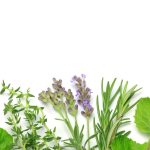
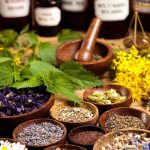
Herbs are central to many Thai medicine traditions. Some herbs are used in everyday cooking, while others may appear in teas, compresses, balms, oils, baths, and professional herbal preparations.
Common Thai herbs and natural ingredients include:
- Lemongrass
- Ginger
- Galangal
- Turmeric
- Kaffir lime
- Holy basil
- Thai basil
- Pandan
- Butterfly pea
- Roselle
- Tamarind
- Fingerroot
- Plai
- Mint
- Coriander
Many of these ingredients are familiar in Thai kitchens. This shows how food, herbs, and wellness can be closely connected in Thai culture.
However, herbs used for health purposes should still be handled carefully. Strong herbal products, concentrated extracts, supplements, and mixed preparations may not be suitable for everyone.
Cannabis Is Not The Same As Everyday Thai Herbs
One of the most important points about Thai Medicine And Cannabis is that cannabis should not be treated like ordinary kitchen herbs. While cannabis has historical connections with some traditional formulas, it is also a regulated health topic.
Everyday herbs such as lemongrass, ginger, basil, pandan, or turmeric are commonly used in food and drinks. Cannabis is different because it may involve legal rules, medical supervision, product controls, side effects, and patient safety concerns.
Readers should not assume that:
- All herbs have the same risk level
- Cannabis is suitable for everyone
- Natural means safe
- Traditional use means casual use
- Online advice is enough
- One plant represents all Thai medicine
Thai Medicine And Cannabis should be discussed with more caution than general herbal wellness topics.
Why The Word Medical Matters
The word medical is important because it changes the way cannabis should be understood. A medical topic should involve patient history, professional guidance, suitability, risks, and follow-up.
A medical discussion may include:
- Current health conditions
- Medicines already being taken
- Possible interactions
- Age
- Pregnancy or breastfeeding
- Mental health history
- Allergies
- Side effects
- Legal rules
- Product quality
- Professional supervision
This is very different from casual herbal interest.
Thai Medicine And Cannabis should be framed around responsible awareness, not simple promotion.
Licensed Practitioners Matter
Licensed Thai medicine practitioners can play an important role in helping patients understand traditional medicine safely. A licensed practitioner should understand professional boundaries, patient history, herbal precautions, and when a person needs a medical doctor instead.
A responsible practitioner should:
- Ask about health history
- Ask about current medicine
- Explain possible risks
- Avoid miracle claims
- Respect patient questions
- Explain what they are qualified to do
- Refer patients when needed
- Avoid pressure selling
- Follow current rules
- Stay within their professional scope
This is especially important when cannabis is part of the discussion.
Health History Comes First
Before using any herbal product or discussing cannabis-related care, health history matters. Different people may react differently to herbs, supplements, oils, teas, or traditional preparations.
Extra care is needed for people who:
- Take prescription medicine
- Are pregnant
- Are breastfeeding
- Have chronic illness
- Have allergies
- Have liver or kidney concerns
- Have heart conditions
- Have mental health concerns
- Are elderly
- Are children or teenagers
- Have recently had surgery
- Use several supplements already
Thai Medicine And Cannabis should never be separated from personal health context.
Medicine Interactions
Herbs and cannabis-related products may interact with medicines or other substances. This is one reason professional guidance matters.
People should be cautious if they use medicines for:
- Sleep
- Anxiety
- Depression
- Blood pressure
- Heart conditions
- Pain
- Diabetes
- Seizures
- Blood thinning
- Infection
- Hormones
- Chronic disease
Do not stop prescribed medicine because of online information, herbal claims, or casual advice.
Traditional wellness should support safe decision-making, not replace necessary medical care.
Herbal Products Need Careful Checking
Thai herbal products can be interesting, but labels and product quality matter. A responsible consumer should check products carefully before using them.
Check for:
- Product name
- Ingredient list
- Directions
- Warnings
- Expiry date
- Manufacturer
- Storage instructions
- Registration details if relevant
- Possible allergens
- Strong health claims
- Suitability for children
- Pregnancy warnings
- Contact information
Avoid products with unclear labels, unknown sources, missing ingredients, or claims that sound too strong.
This applies to herbal teas, balms, oils, compresses, capsules, cosmetics, and any cannabis-related product.
Be Careful With Miracle Claims
A major warning sign in herbal wellness is the promise of a miracle cure. Thai traditional medicine has cultural value, but responsible education should not exaggerate what herbs can do.
Be careful with claims such as:
- Cures every disease
- Works for everyone
- No side effects
- Replaces doctors
- No need for medicine
- Instant result
- Completely safe because natural
- Stronger is always better
Good health information explains both possible uses and possible risks.
Thai Medicine And Cannabis should be explained with balance, not hype.
Cannabis And Public Confusion
Cannabis has become confusing for many people because laws, business activity, travel advice, and medical rules have changed over time. Some information online may be outdated.
Readers should be careful with:
- Old blog posts
- Social media claims
- Tourist advice
- Shop advertising
- Unverified product reviews
- Casual recommendations
- Foreign rules applied to Thailand
- Claims that cannabis is risk-free
- Claims that all cannabis products are allowed
This is why current official guidance and qualified professionals are important.
Travelers Should Be Extra Careful
Visitors to Thailand should be especially careful with cannabis and hemp products. Travel rules can be stricter than people expect, especially when bringing products across borders.
Travelers should not assume they can carry:
- Cannabis foods
- Hemp foods
- Cannabis cosmetics
- Hemp cosmetics
- Herbal products containing cannabis
- Oils
- Edibles
- Supplements
- Unknown herbal blends
- Products bought in another country
- Products bought in Thailand for travel
Travelers should check current official rules before carrying any health product across borders.
Thai Medicine And Cannabis is not only a health topic. It can also become a travel and customs issue.
Cannabis Should Not Represent All Thai Herbal Culture
Thai herbal culture is much larger than cannabis. It includes food herbs, massage herbs, aromatic plants, compress ingredients, teas, traditional recipes, and daily wellness habits.
Examples of Thai herbal culture include:
- Lemongrass tea
- Ginger drinks
- Turmeric in cooking
- Pandan drinks
- Herbal compresses
- Kaffir lime aroma
- Thai massage oils
- Roselle drinks
- Butterfly pea tea
- Herbal foot soaks
- Traditional soups
- Local market herbs
This wider herbal world is often more relevant to everyday Thai wellness than cannabis.
Readers should avoid reducing Thai medicine to one controversial plant.
Thai Massage And Herbal Wellness
Thai massage and herbal wellness often appear together in Thai traditional care. A massage session may involve pressure, stretching, relaxation, or herbal compresses, depending on the setting and practitioner.
Herbal compresses may include ingredients such as lemongrass, turmeric, kaffir lime, plai, tamarind leaves, or other aromatic herbs.
These practices can feel relaxing, but they should still be used carefully. People with injuries, pregnancy, skin problems, fever, serious pain, or chronic health conditions should tell the practitioner and seek medical advice when needed.
Traditional wellness should feel safe, respectful, and appropriate.
When To See A Medical Doctor
Thai traditional medicine may support wellness conversations, but it should not delay urgent care. Some symptoms need medical evaluation.
Seek medical help for:
- Chest pain
- Breathing problems
- Severe pain
- High fever
- Sudden weakness
- Serious allergic reaction
- Confusion
- Severe dizziness
- Uncontrolled bleeding
- Severe mental distress
- Symptoms that get worse quickly
- New or unexplained symptoms
Thai Medicine And Cannabis should never be used as a reason to delay proper diagnosis or emergency care.
Responsible Education For Readers
The best way to write about this topic is to educate without encouraging risky behaviour.
Responsible education should:
- Explain the wider Thai herbal tradition
- Separate cannabis from ordinary herbs
- Mention legal and medical caution
- Encourage licensed guidance
- Avoid instructions for use
- Avoid buying advice
- Avoid strong health claims
- Warn about interactions
- Respect Thai culture
- Encourage official guidance
- Promote patient safety
For thaicure.com, this type of article builds trust because it is helpful without being promotional.
Common Mistakes To Avoid
Avoid these mistakes when learning about herbs and cannabis:
- Thinking natural means harmless
- Treating cannabis like a normal kitchen herb
- Trusting old online information
- Ignoring medicine interactions
- Using strong herbal products without guidance
- Believing miracle claims
- Replacing medical care with herbal advice
- Carrying cannabis products across borders without checking rules
- Assuming one herb works for everyone
- Ignoring pregnancy, children, or chronic illness risks
- Buying unclear products with missing labels
- Forgetting that Thai medicine is much broader than cannabis
A careful reader looks for context, safety, and reliable guidance.
Simple Checklist For Readers
Use this checklist before trusting health information about Thai herbs or cannabis:
- Is the information current?
- Is it from a reliable source?
- Does it explain risks?
- Does it avoid miracle claims?
- Does it mention professional guidance?
- Does it consider medicine interactions?
- Does it respect Thai traditional medicine?
- Does it separate cannabis from everyday herbs?
- Does it avoid casual use advice?
- Does it warn travelers about rules?
- Does it encourage medical care for serious symptoms?
- Does it feel balanced?
This checklist can help readers make safer decisions.
👉 “Readers learning about herbs, cannabis, and Thai medicine may also find this guide to Professional Guidance For Medicinal Cannabis useful for understanding the topic more safely.”
Conclusion
Thai Medicine And Cannabis is an important topic, but it should be explained carefully. Thai traditional medicine includes many herbs, massage practices, herbal compresses, food wisdom, lifestyle ideas, and professional care methods. Cannabis is only one regulated subject within this much larger tradition.
For thaicure.com readers, the safest message is clear: respect Thai herbal knowledge, learn from qualified practitioners, check current rules, avoid miracle claims, and do not treat cannabis as casual wellness advice.
Herbs can be meaningful in Thai culture, but health decisions should be made with care. People taking medicines, living with chronic illness, caring for children, or dealing with serious symptoms should seek qualified guidance.
By understanding Thai Medicine And Cannabis responsibly, readers can appreciate Thai herbal heritage while staying realistic, safe, and informed.
FAQ
What Is Thai Medicine And Cannabis?
Thai Medicine And Cannabis refers to the relationship between Thai traditional medicine, herbal knowledge, and cannabis as a regulated medical-awareness topic.
Is Cannabis The Main Part Of Thai Traditional Medicine?
No. Thai traditional medicine includes many herbs, massage, herbal compresses, food wisdom, lifestyle guidance, and licensed practitioner care. Cannabis is only one part of a much wider field.
Are Thai Herbs Always Safe?
No. Herbs can cause side effects, allergies, or medicine interactions. Strong herbal products should be used carefully.
Can Cannabis Replace Medical Care?
No. Cannabis should not replace medical diagnosis, emergency care, or prescribed treatment.
Why Are Licensed Practitioners Important?
Licensed practitioners can consider health history, medicine use, safety risks, and professional boundaries before discussing Thai medicine or herbal care.
Should Travelers Bring Cannabis Products To Thailand?
Travelers should not assume cannabis or hemp products can be brought into Thailand. Current official guidance should be checked before carrying any health product across borders.
What Are Common Thai Herbs Besides Cannabis?
Common Thai herbs include lemongrass, ginger, galangal, turmeric, kaffir lime, holy basil, pandan, butterfly pea, roselle, tamarind, and plai.
What Should I Check On Herbal Products?
Check the ingredients, expiry date, warnings, directions, manufacturer, storage instructions, and any strong medical claims.
When Should I See A Doctor Instead?
Seek medical care for chest pain, breathing problems, severe pain, high fever, serious allergic reactions, confusion, sudden weakness, or symptoms that worsen quickly.
What Is The Safest Way To Learn About Thai Herbal Medicine?
The safest way is to use balanced information, speak with qualified professionals, avoid miracle claims, and understand that Thai medicine is much broader than one plant.


