

- Introduction
- Why Thai Medical Cannabis Awareness Matters
- Cannabis In Thai Health Discussions
- Medical Awareness Is Not Promotion
- The Role Of Licensed Practitioners
- Cannabis And Thai Traditional Medicine
- Understanding THC And CBD In Simple Terms
- Possible Risks And Side Effects
- Medicine Interactions
- Who Needs Extra Caution
- Cannabis And Mental Health Awareness
- Cannabis And Pain Discussions
- Product Quality And Label Awareness
- Online Claims And Misinformation
- Legal Awareness In Thailand
- Why Prescription Awareness Matters
- Cannabis And Public Health
- Cannabis And Young People
- Cannabis And Pregnancy Or Breastfeeding
- Driving And Daily Safety
- How Patients Can Ask Better Questions
- What Responsible Practitioners Should Do
- When Cannabis Should Not Delay Medical Care
- Building A Balanced View
- Common Mistakes To Avoid
- Simple Checklist For Readers
- Conclusion
- FAQ
- What Is Thai Medical Cannabis Awareness?
- Is This Article Encouraging Cannabis Use?
- Why Is Licensed Guidance Important?
- Can Cannabis Have Side Effects?
- Who Should Be Extra Careful With Cannabis?
- Should I Tell My Doctor About Cannabis Products?
- Can Cannabis Replace Medical Treatment?
- Are Online Cannabis Claims Reliable?
- Why Does Product Quality Matter?
- What Is The Safest Message For Readers?
Introduction
Cannabis has become one of the most discussed health topics in Thailand. Some people connect it with traditional medicine, pain support, herbal knowledge, and patient care. Others worry about safety, misuse, unclear products, young people, public health, and changing laws.
Thai Medical Cannabis Awareness is important because cannabis is not an ordinary wellness trend. It can affect the body and mind. It may interact with medicines. It may not be suitable for some people. It may also be controlled by changing rules, professional standards, and medical guidance.
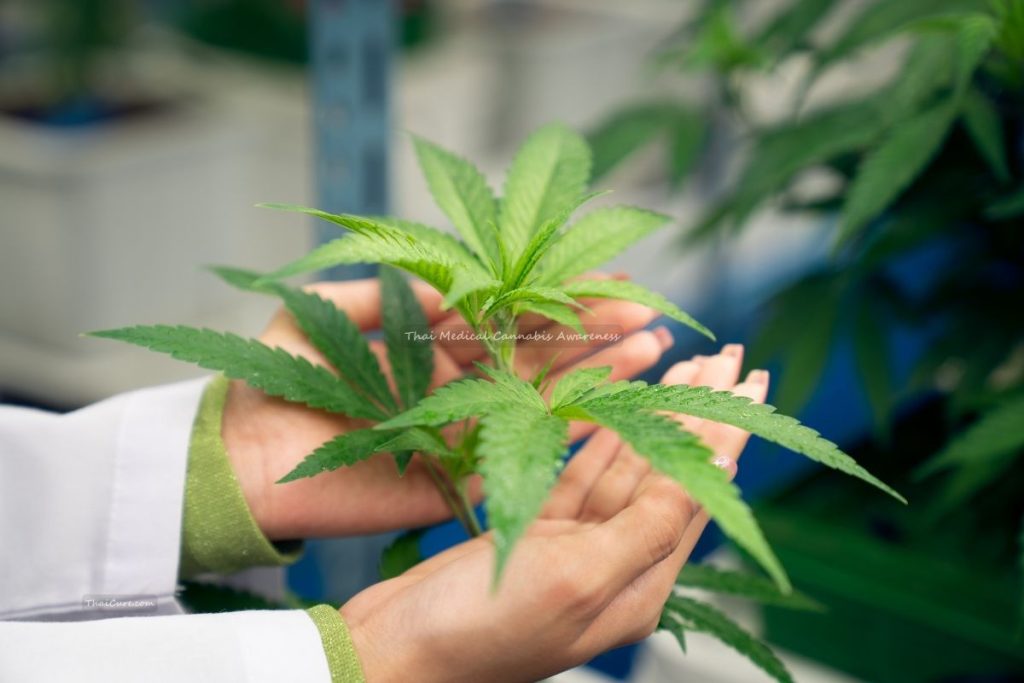
For thaicure.com readers, the goal should be careful education. This article does not encourage cannabis use and does not provide instructions for buying, using, growing, preparing, or dosing cannabis. Instead, it explains why awareness, licensed guidance, patient safety, and realistic expectations matter.
👉 “Readers learning about cannabis in Thai medical awareness may also find this guide to Thai Herbs For Everyday Stress Relief useful for broader herbal wellness education.”
Why Thai Medical Cannabis Awareness Matters
Thai Medical Cannabis Awareness matters because many people hear mixed messages about cannabis. Some messages make it sound like a natural cure for everything. Other messages focus only on risk. A balanced approach is better.
Medical cannabis awareness should help readers understand:
- Why licensed medical advice matters
- Why cannabis is not suitable for everyone
- Why product labels and ingredients matter
- Why patients must share their health history
- Why prescription rules should be followed
- Why cannabis should not replace urgent medical care
- Why children, pregnant people, and people with chronic illness need extra caution
- Why public health education is important
- Why online claims should be checked carefully
Thai Medical Cannabis Awareness should be based on safety, not hype.
Cannabis In Thai Health Discussions
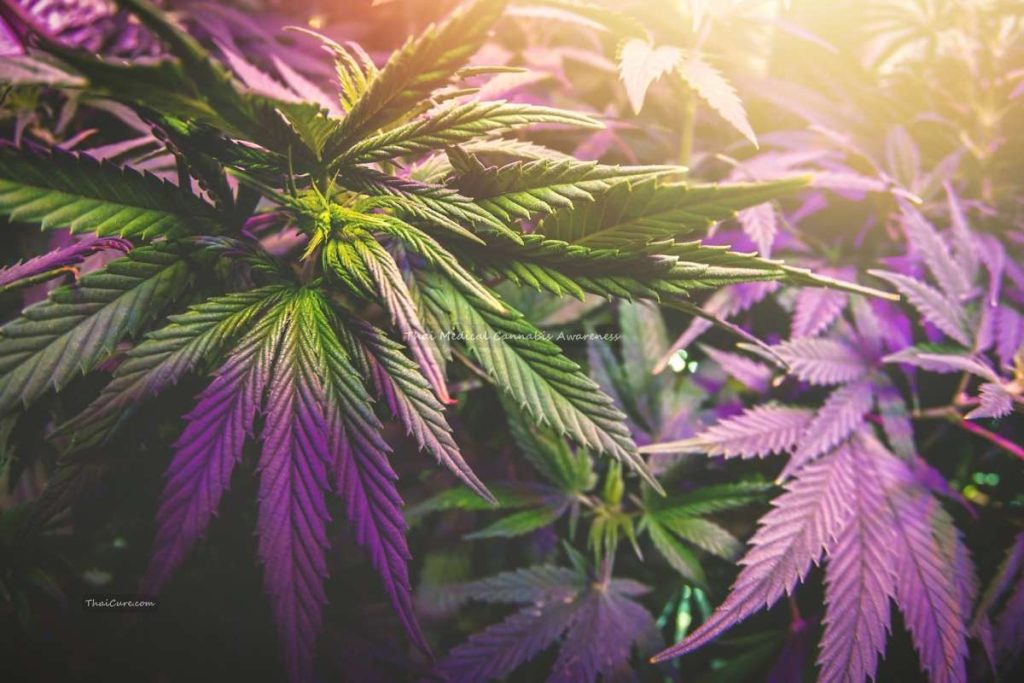
Cannabis has a complex role in Thai health discussions. It is connected to traditional knowledge, modern policy, patient interest, public debate, clinics, herbal products, and legal control.
Some people discuss cannabis as part of Thai traditional medicine. Others discuss it as a regulated medical product. Others see it through the lens of public safety, tourism, business, youth protection, or community health.
This is why simple explanations are useful. Many readers do not need technical details. They need to know what questions to ask, what warnings to notice, and why licensed guidance matters.
Thai Medical Cannabis Awareness can help people move away from rumours and toward safer decision-making.
Medical Awareness Is Not Promotion
A responsible article about cannabis should not sound like advertising. Cannabis is not the same as a normal lifestyle product. It should not be promoted casually as a quick solution for stress, sleep, pain, mood, or general wellness.
Medical awareness means helping readers understand:
- Possible benefits may depend on the condition and product
- Risks can exist even with natural substances
- Professional guidance matters
- Legal rules may change
- Product quality can vary
- Not all online claims are trustworthy
- Some people should avoid cannabis entirely
- Patients should not self-medicate based on internet content
Thai Medical Cannabis Awareness should encourage caution and professional advice.
The Role Of Licensed Practitioners
Licensed practitioners are central to safe medical cannabis awareness. A qualified practitioner can review the patient’s health history, current medicines, symptoms, risks, and suitability.
A responsible consultation may include questions about:
- Current medical conditions
- Prescription medicines
- Over-the-counter medicines
- Supplements
- Allergies
- Pregnancy or breastfeeding
- Mental health history
- Heart conditions
- Liver or kidney problems
- Past reactions to cannabis or herbal products
- Age and general health
- Treatment goals
Thai Medical Cannabis Awareness should remind readers that personal health details matter. What is safe for one person may not be safe for another.
Cannabis And Thai Traditional Medicine
Cannabis may appear in discussions about Thai traditional medicine, but that does not mean every cannabis product is traditional, safe, or suitable. Traditional medicine still requires knowledge, training, and responsible practice.
Thai traditional medicine may include many areas, such as herbs, massage, compresses, food-based wellness, body balance, and lifestyle guidance. Cannabis is only one topic within a much wider field.
Thai Medical Cannabis Awareness should help readers understand that Thai herbal medicine is not a free-for-all. Herbs can be powerful. They can have effects, limits, and risks.
A safe approach respects both traditional knowledge and modern safety standards.
Understanding THC And CBD In Simple Terms
Many readers hear the words THC and CBD but may not fully understand them.
THC is commonly associated with intoxicating or mind-altering effects. CBD is often discussed as non-intoxicating, but it can still have side effects and interactions.
Readers should understand that:
- Cannabis products can contain different compounds
- THC and CBD are not the same
- Product strength can vary
- Labels may be incomplete or confusing
- Effects may differ from person to person
- Higher strength does not mean better care
- Natural does not always mean safe
Thai Medical Cannabis Awareness should keep explanations simple and avoid encouraging casual experimentation.
Possible Risks And Side Effects
Cannabis can have side effects. These may vary depending on the person, product, dose, route, health history, and other medicines.
Possible concerns may include:
- Drowsiness
- Dizziness
- Anxiety
- Confusion
- Changes in mood
- Reduced alertness
- Impaired coordination
- Dry mouth
- Digestive discomfort
- Increased heart rate
- Medicine interactions
- Effects on memory or attention
- Worsening symptoms in some people
Some people may be more vulnerable to side effects than others.
This includes children, teenagers, pregnant people, breastfeeding people, elderly people, people with heart conditions, people with mental health conditions, and people taking several medicines.
Thai Medical Cannabis Awareness should make clear that risk is part of the conversation.
Medicine Interactions
Cannabis and cannabis-derived products may interact with other medicines. This is one of the most important safety points.
Readers should be careful if they take medicines for:
- Blood pressure
- Heart conditions
- Diabetes
- Seizures
- Mental health
- Sleep
- Pain
- Blood thinning
- Infection
- Hormones
- Chronic illness
- Liver or kidney conditions
A patient should not combine cannabis with medicines, alcohol, supplements, or strong herbal products without professional guidance.
Thai Medical Cannabis Awareness should encourage people to tell their doctor or licensed practitioner about everything they take.
Who Needs Extra Caution
Some groups need extra caution around cannabis.
This may include:
- Children
- Teenagers
- Pregnant people
- Breastfeeding people
- Elderly people
- People with heart conditions
- People with serious mental health history
- People with liver or kidney disease
- People taking prescription medicine
- People with substance-use concerns
- People who drive or operate machinery
- People with unclear symptoms
- People with serious or worsening illness
For these groups, cannabis should never be treated casually.
Thai Medical Cannabis Awareness should protect vulnerable readers by encouraging professional medical advice and careful decision-making.
Cannabis And Mental Health Awareness
Cannabis is sometimes discussed online in relation to relaxation, sleep, stress, or mood. This can be risky if the information is too simple.
Some people may feel calmer with certain products under medical guidance. Others may feel anxious, confused, uncomfortable, or worse. People with certain mental health histories may need extra caution.
A responsible article should not promise emotional relief.
Thai Medical Cannabis Awareness should explain that mental health is complex. Anyone struggling with serious anxiety, depression, panic, psychosis symptoms, or distress should seek qualified support instead of relying on cannabis information online.
Cannabis And Pain Discussions
Pain is one of the most common topics connected with medical cannabis. But pain has many causes, and not every pain problem should be handled the same way.
Pain may come from:
- Injury
- Inflammation
- Nerve problems
- Muscle tension
- Chronic illness
- Surgery
- Infection
- Joint disease
- Unknown causes
A person with persistent or severe pain should get a proper medical assessment. Cannabis should not be used to hide symptoms that need diagnosis.
Thai Medical Cannabis Awareness should encourage readers to ask what is causing the pain before considering any treatment.
Product Quality And Label Awareness
Product quality is important in medical cannabis discussions. A product may be unsafe if ingredients, strength, source, expiry date, or warnings are unclear.
Readers should be cautious with products that have:
- No clear label
- No ingredient list
- No expiry date
- No manufacturer details
- No warning information
- Exaggerated claims
- Unclear strength
- Unknown source
- Poor packaging
- Social media-only sales
- Claims of guaranteed results
Thai Medical Cannabis Awareness should help readers understand that product quality and professional oversight matter.
Online Claims And Misinformation
Many people search online for cannabis information. Some content is educational. Some is promotional. Some is misleading or unsafe.
Be careful with content that says:
- Cannabis cures every disease
- It has no side effects
- It is safe for everyone
- It replaces all medicine
- Doctors are unnecessary
- Higher strength is always better
- All natural products are safe
- One product works for everyone
- Children can use adult products
- Pregnant people can use it casually
- You can ignore legal rules
Thai Medical Cannabis Awareness should teach readers to question dramatic claims.
Legal Awareness In Thailand
Cannabis rules in Thailand have changed over time and may continue to change. Readers should not rely on old information, social media posts, or travel rumours.
Legal awareness means understanding that:
- Rules can change
- Medical use may require professional oversight
- Product types may be controlled differently
- Import and export may have separate restrictions
- Public use may create legal or public nuisance issues
- Tourists and residents should check current official guidance
- Clinics and practitioners should follow professional rules
- Advertising claims may be restricted
Thai Medical Cannabis Awareness should encourage readers to check official sources and licensed professionals before making decisions.
Why Prescription Awareness Matters
Prescription awareness is important because cannabis may be controlled as a medical product or controlled herb depending on the rules in force.
A prescription-based approach can help connect cannabis use with:
- Patient assessment
- Medical indication
- Professional responsibility
- Treatment limits
- Follow-up
- Safety checks
- Documentation
- Legal compliance
This does not mean cannabis is automatically suitable just because someone wants it. It means a qualified professional should assess whether it is appropriate.
Thai Medical Cannabis Awareness should help readers understand the difference between medical care and casual access.
Cannabis And Public Health
Cannabis is also a public health issue. Public health looks beyond one person and asks how a substance affects communities.
Public health concerns may include:
- Youth exposure
- Driving safety
- Product quality
- Advertising
- Public smoking
- Accidental use
- Overuse
- Misleading claims
- Vulnerable patients
- Emergency care
- Community complaints
- Unregulated sales
Thai Medical Cannabis Awareness should include this wider view. Health education is not only about individual choice. It is also about protecting families, communities, and public trust.
Cannabis And Young People
Young people need strong protection in cannabis discussions. Cannabis should not be marketed or explained in a way that encourages youth use.
For young people, concerns may include:
- Brain development
- School performance
- Mental health
- Impaired judgement
- Risk-taking
- Accidental exposure
- Online influence
- Edible products mistaken for snacks
- Peer pressure
- Normalising non-medical use
Thai Medical Cannabis Awareness should be clear: cannabis is a medical and legal topic that requires adult professional supervision and should not be treated as a casual product for young people.
Cannabis And Pregnancy Or Breastfeeding
Pregnant and breastfeeding people should be especially cautious. Cannabis and cannabis-derived products may affect pregnancy, breastfeeding, and infant safety.
Anyone pregnant, planning pregnancy, or breastfeeding should speak with a qualified healthcare professional before using any cannabis-related product.
Thai Medical Cannabis Awareness should avoid casual advice for this group and encourage medical guidance.
Driving And Daily Safety
Cannabis can affect alertness, reaction time, coordination, and judgement. This matters for driving, riding motorcycles, operating machinery, working with tools, caring for children, or making important decisions.
People should not drive or do risky tasks if impaired, sleepy, dizzy, confused, or less alert.
Thai Medical Cannabis Awareness should remind readers that safety includes daily activities, not only medical appointments.
How Patients Can Ask Better Questions
Patients should feel comfortable asking questions during a medical consultation.
Useful questions include:
- Is this suitable for my condition?
- What are the possible risks?
- Could this interact with my medicines?
- What side effects should I watch for?
- Should I avoid driving?
- How will we monitor progress?
- What should I do if I feel worse?
- Is this product properly labelled?
- Are there safer alternatives?
- When should I seek medical care?
- Should my regular doctor know?
- What legal rules apply?
Thai Medical Cannabis Awareness should help patients become more informed, not more passive.
What Responsible Practitioners Should Do
Responsible practitioners should focus on safety and clear communication.
They should:
- Ask about health history
- Ask about medicines
- Explain possible risks
- Avoid miracle claims
- Follow current rules
- Use proper documentation
- Refer patients when needed
- Explain product details
- Avoid pressure selling
- Respect patient questions
- Give realistic expectations
- Encourage medical care for serious symptoms
Thai Medical Cannabis Awareness should support responsible professional behaviour.
When Cannabis Should Not Delay Medical Care
Cannabis information should never delay urgent care.
People should seek medical help quickly for:
- Chest pain
- Severe breathing difficulty
- Stroke-like symptoms
- Severe allergic reaction
- Serious injury
- High fever in young children
- Severe abdominal pain
- Heavy bleeding
- Confusion
- Severe dehydration
- Worsening symptoms
- Severe mental health crisis
- Symptoms that feel dangerous or unusual
Thai Medical Cannabis Awareness should make this point clear. Medical cannabis discussions should never replace emergency care.
Building A Balanced View
A balanced view of cannabis avoids both hype and fear.
A balanced reader understands:
- Cannabis may have medical discussion value in specific contexts
- It is not suitable for everyone
- It can have side effects
- Legal rules matter
- Product quality matters
- Professional guidance matters
- Online claims should be checked
- Vulnerable groups need caution
- Conventional medical care may still be necessary
- Public health concerns are real
Thai Medical Cannabis Awareness is about careful understanding, not promotion.
Common Mistakes To Avoid
Treating Cannabis As A Normal Wellness Product
Cannabis can affect the body and mind, so it should not be treated casually.
Trusting Social Media Claims
Online content may be incomplete, promotional, or unsafe.
Ignoring Medicine Interactions
Patients should share medicine and supplement use with a professional.
Using Products With Unclear Labels
Unclear products can create safety risks.
Assuming Natural Means Safe
Natural substances can still have strong effects.
Delaying Medical Care
Serious symptoms need proper medical attention.
Ignoring Legal Rules
Cannabis rules may change, so readers should check current official guidance.
Simple Checklist For Readers
Use this checklist for safer awareness:
- I understand this article is educational
- I will not treat cannabis as casual wellness advice
- I will check current Thai rules
- I will ask a licensed professional
- I will share my health history
- I will list my medicines and supplements
- I will ask about side effects
- I will avoid unclear products
- I will not rely on social media claims
- I will not delay urgent medical care
- I will be extra careful with children, pregnancy, breastfeeding, elderly people, and chronic illness
- I will avoid driving or risky tasks if impaired
This checklist supports Thai Medical Cannabis Awareness in a practical and responsible way.
👉 “Readers learning about cannabis in Thai medical awareness may also find this guide to Cannabis And Herbal Wellness Claims helpful for understanding health information more carefully.”
Conclusion
Thai Medical Cannabis Awareness is important because cannabis sits at the intersection of traditional medicine, modern healthcare, public health, patient safety, and changing law. It should not be treated as a simple wellness trend or promoted as a cure-all.
Readers should understand the role of licensed practitioners, legal guidance, product quality, medicine interactions, side effects, vulnerable groups, and emergency care. They should also be careful with online claims and avoid products or advice that seem unclear, exaggerated, or unsafe.
For thaicure.com readers, the best approach is balanced education. Cannabis may be part of medical discussion in Thailand, but it must be approached with caution, professional guidance, and respect for current rules.
Thai Medical Cannabis Awareness should help people ask better questions, protect their health, and make safer decisions.
FAQ
What Is Thai Medical Cannabis Awareness?
Thai Medical Cannabis Awareness means understanding cannabis as a medical and public health topic in Thailand, including safety, legal rules, licensed care, product quality, and patient education.
Is This Article Encouraging Cannabis Use?
No. This article is educational and does not encourage cannabis use. It focuses on safety, awareness, licensed guidance, and responsible information.
Why Is Licensed Guidance Important?
Licensed guidance is important because cannabis may interact with medicines, cause side effects, or be unsuitable for some people.
Can Cannabis Have Side Effects?
Yes. Cannabis can cause side effects such as dizziness, drowsiness, mood changes, confusion, reduced alertness, digestive discomfort, and medicine interactions.
Who Should Be Extra Careful With Cannabis?
Children, teenagers, pregnant people, breastfeeding people, elderly people, people with chronic illness, people with mental health concerns, and people taking medicines should be especially cautious.
Should I Tell My Doctor About Cannabis Products?
Yes. Patients should tell their doctor or licensed practitioner about cannabis products, herbs, supplements, and medicines they use.
Can Cannabis Replace Medical Treatment?
No. Cannabis should not replace medical treatment, emergency care, or prescribed medicine unless a qualified healthcare professional advises appropriately.
Are Online Cannabis Claims Reliable?
Not always. Online claims may be promotional, outdated, exaggerated, or unsafe. Check official guidance and qualified professionals.
Why Does Product Quality Matter?
Product quality matters because unclear ingredients, unknown strength, contamination, poor labels, or exaggerated claims can create health risks.
What Is The Safest Message For Readers?
The safest message is to treat cannabis as a serious medical and legal topic, not a casual wellness product, and to seek licensed professional guidance.


