
- Introduction
- Why Natural Thai Body Care Is Worth Understanding
- Thai Herbs In Body Care
- Start With Gentle Cleansing
- Herbal Baths For Relaxing Evenings
- Warm Foot Soaks
- Coconut Oil For Simple Moisture
- Gentle Body Scrubs
- Turmeric With Care
- Lemongrass For A Fresh Aroma
- Kaffir Lime For A Clean Scent
- Thai Herbal Compress Inspiration
- Massage-Inspired Body Care
- Body Care After Thai Massage
- Daily Hydration And Skin Comfort
- Breathable Clothing
- Sun And Heat Awareness
- Sensitive Skin Safety
- Choosing Thai Body Care Products
- Simple Morning Body Care Routine
- Simple Evening Body Care Routine
- Common Mistakes To Avoid
- When To Seek Professional Advice
- Simple Checklist For Natural Thai Body Care
- Conclusion
- FAQ
- What Is Natural Thai Body Care?
- Is Natural Thai Body Care Safe For Everyone?
- What Thai Herbs Are Common In Body Care?
- Can I Use Coconut Oil On My Skin?
- Are Herbal Scrubs Good For Everyday Use?
- Can Thai Herbal Compresses Be Used At Home?
- What Should I Avoid With Sensitive Skin?
- Is Body Care The Same As Medical Treatment?
- What Is A Simple Thai-Inspired Body Care Routine?
- What Is The Most Important Safety Tip?
Introduction
Natural Thai Body Care is about simple, gentle, and practical ways to care for the body using Thai-inspired wellness habits. It may include herbal baths, warm foot soaks, gentle scrubs, coconut oil, Thai herbs, massage-style routines, fresh aromas, and daily self-care habits that help the body feel clean, comfortable, and relaxed.
Thai body care traditions often connect the skin, senses, body comfort, and everyday lifestyle. Many routines are not complicated. A warm bath, a soft herbal scent, a gentle foot soak, or a slow massage after a busy day can become part of a peaceful wellness routine.
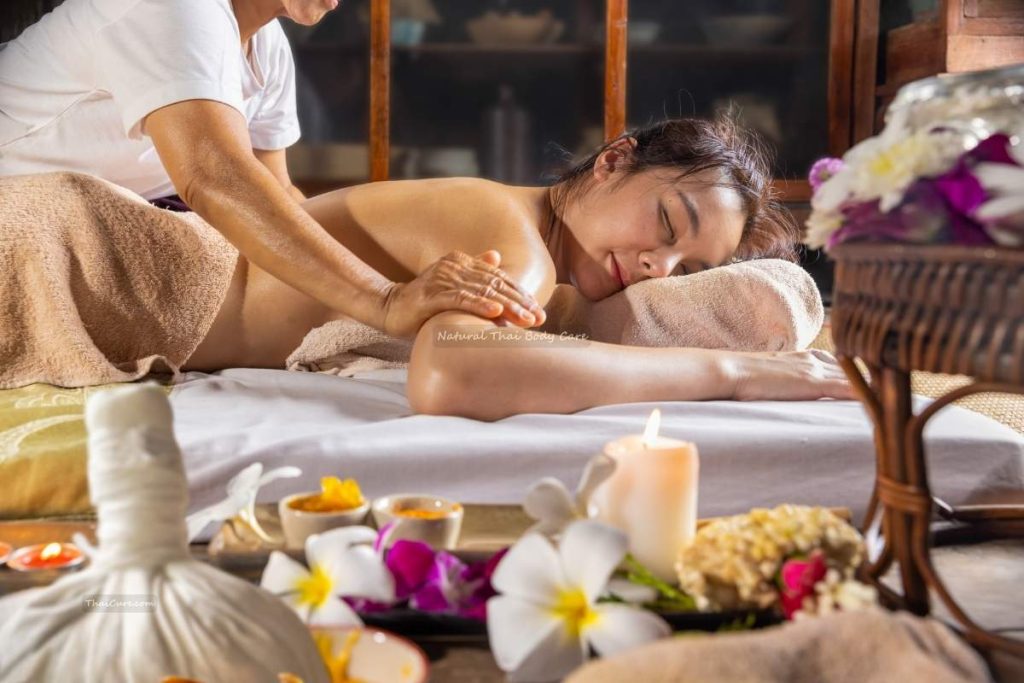
This guide explains Natural Thai Body Care in a safe and beginner-friendly way. It does not promise beauty cures, medical results, or instant changes. Instead, it shares practical ideas inspired by Thai herbs and everyday wellness.
👉 “Readers exploring natural Thai body care may also enjoy learning how Facial Massage Fits Into A Thai Wellness Routine.”
Why Natural Thai Body Care Is Worth Understanding
Natural Thai Body Care is worth understanding because it focuses on small habits that can fit into daily life. Thai wellness culture often uses herbs, warmth, touch, aroma, and routine to create comfort.
These habits may include:
- Washing the body gently
- Using herbal aromas
- Taking warm baths
- Soaking the feet
- Using mild body scrubs
- Moisturising dry skin
- Resting after massage
- Drinking water
- Choosing breathable clothing
- Using gentle oils
- Avoiding harsh products
- Creating calm evening routines
The goal is not perfection. The goal is to care for the body with patience, comfort, and awareness.
Thai Herbs In Body Care
Thai herbs are often used in food, massage, herbal compresses, bath routines, and home wellness habits. Some herbs are valued for their aroma, warmth, colour, or refreshing feeling.
Common Thai herbs and natural ingredients may include:
- Lemongrass
- Pandan
- Turmeric
- Kaffir lime
- Ginger
- Galangal
- Tamarind
- Coconut
- Butterfly pea
- Roselle
- Plai
- Mint
- Holy basil
- Thai basil
Many of these ingredients are familiar in Thai homes and markets. They may appear in soaps, oils, scrubs, balms, compresses, teas, and bath products.
Natural Thai Body Care should still be gentle. Herbs can irritate sensitive skin if used too strongly or too often.
Start With Gentle Cleansing
Good body care begins with simple cleansing. In Thailand’s warm and humid climate, the skin can feel sweaty, sticky, or dusty after walking outside, travelling, working, or visiting markets.
Gentle cleansing tips include:
- Use mild soap or body wash
- Avoid over-scrubbing
- Rinse well after sweating
- Shower after outdoor activity
- Use lukewarm water instead of very hot water
- Pat skin dry gently
- Change sweaty clothes quickly
- Keep towels clean and dry
- Wash feet after long walks
- Avoid strong fragrances if skin is sensitive
A clean body care routine does not need to be harsh. Mild and consistent is usually better.
Herbal Baths For Relaxing Evenings
A herbal bath can be a pleasant part of Natural Thai Body Care. It can help create a calm evening routine after a long day.
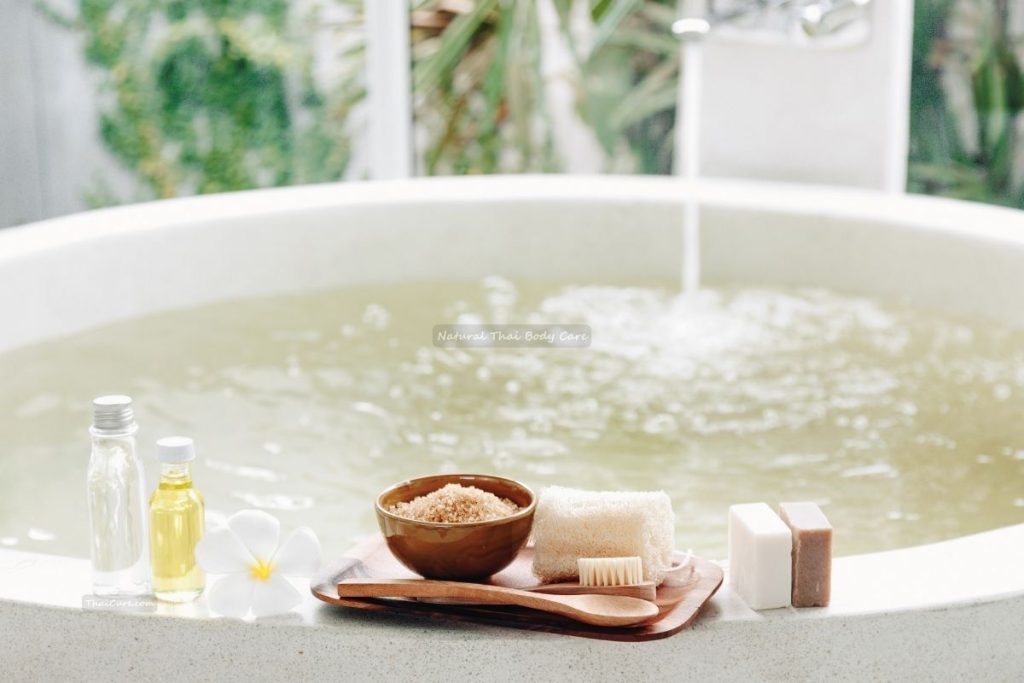
A simple Thai-inspired herbal bath may include:
- Warm water
- Lemongrass
- Pandan leaves
- Kaffir lime peel
- Ginger slices
- A herbal bath bag
- Soft lighting
- A clean towel
- Quiet music
Keep the water warm, not hot. Very hot water can dry the skin or cause dizziness for some people.
People with skin problems, allergies, pregnancy, chronic illness, or sensitive skin should be careful with herbal baths and avoid strong herbal mixtures.
Warm Foot Soaks
Foot soaks are one of the easiest Thai-inspired body care habits. They can feel especially good after walking, standing, travelling, or wearing shoes for many hours.
A simple foot soak may include:
- Warm water
- A small amount of salt if suitable
- Lemongrass
- Ginger slices
- Pandan
- A clean towel
- A comfortable chair
- Quiet breathing
Soak the feet for a short time, then dry them carefully, especially between the toes.
Avoid foot soaks if you have open wounds, skin infection, diabetes-related foot concerns, numbness, severe swelling, or circulation problems unless a healthcare professional says it is safe.
Coconut Oil For Simple Moisture
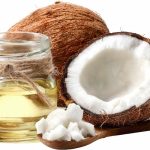
Coconut oil is widely used in many tropical body care routines. It can be used lightly on dry areas such as elbows, knees, feet, or hands.
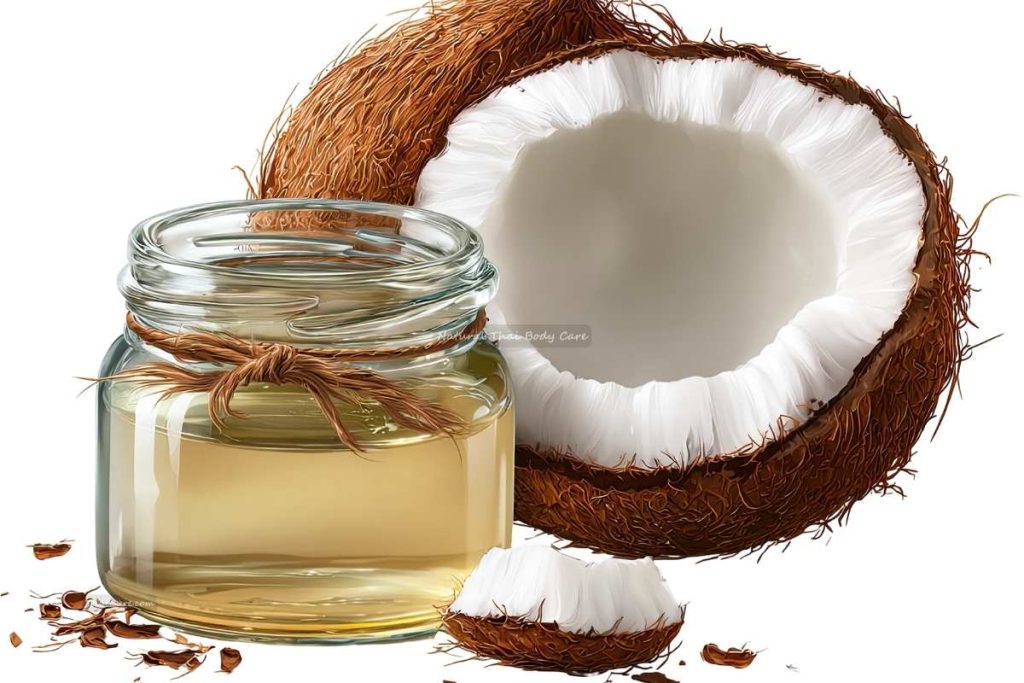
Tips for using coconut oil:
- Use a small amount
- Apply to clean skin
- Avoid using too much
- Test on a small area first
- Avoid the face if it causes breakouts
- Do not apply to irritated skin
- Keep the container clean
- Stop if itching or redness appears
Coconut oil can feel rich, so it may not suit every skin type.
Natural Thai Body Care should always match your own skin, not only follow tradition.
Gentle Body Scrubs
Body scrubs can help the skin feel smoother, but they should be used carefully. Scrubbing too hard can irritate the skin.
Thai-inspired body scrubs may include ingredients such as:
- Rice powder
- Tamarind
- Turmeric
- Coconut
- Herbal powder
- Fine salt
- Sugar
- Honey
Use scrubs gently and not too often. Avoid scrubbing sunburned, broken, irritated, or sensitive skin.
A good body scrub should feel soft and refreshing, not painful.
If your skin becomes red, itchy, or uncomfortable, stop using the product.
Turmeric With Care
Turmeric is well known in many Asian body care and food traditions. It has a strong colour and is often used in scrubs, masks, soaps, and herbal products.
However, turmeric should be used carefully because it can stain skin, towels, clothes, and bathroom surfaces. It may also irritate sensitive skin.
Tips include:
- Test first on a small area
- Use mild products
- Avoid strong homemade mixtures
- Keep away from eyes
- Rinse well
- Use old towels if needed
- Stop if irritation appears
Turmeric can be part of Natural Thai Body Care, but it should not be overused or treated as a miracle ingredient.
Lemongrass For A Fresh Aroma
Lemongrass is one of the most familiar Thai wellness aromas. It is used in food, tea, spa products, soaps, oils, and bath routines.
Lemongrass can make a body care routine feel fresh and clean.
Simple uses include:
- Lemongrass soap
- Lemongrass bath bag
- Lemongrass foot soak
- Lemongrass room aroma
- Lemongrass massage oil
- Lemongrass tea as part of a relaxing routine
Use lemongrass products gently. Strong essential oils should be used with caution and should not be applied directly to skin without proper dilution and safety guidance.
Kaffir Lime For A Clean Scent
Kaffir lime is often used in Thai cooking and traditional body care products. Its bright scent can feel refreshing.
It may appear in:
- Hair rinses
- Soap
- Herbal bath products
- Spa aromas
- Compresses
- Foot soak blends
- Body care products
Kaffir lime peel and oil can be strong, so avoid using concentrated products directly on sensitive skin. Keep citrus products away from eyes and broken skin.
Natural Thai Body Care should feel comfortable, not sharp or burning.
Thai Herbal Compress Inspiration
Thai herbal compresses are often used with Thai massage. A compress is usually a cloth bundle filled with herbs and warmed before being applied to the body.
Common compress ingredients may include:
- Lemongrass
- Plai
- Turmeric
- Kaffir lime peel
- Tamarind leaves
- Camphor
- Ginger-like herbs
- Aromatic leaves
A warm compress can feel comforting, but it should be used safely.
Avoid hot compresses on:
- Fresh injuries
- Open wounds
- Burns
- Swollen areas
- Skin infections
- Numb areas
- Very sensitive skin
- Areas with poor circulation
If receiving a professional treatment, tell the therapist if the compress feels too hot.
Massage-Inspired Body Care
Thai massage is an important part of Thai wellness culture. At home, body care can include simple massage-inspired habits without trying to copy professional techniques.
Gentle ideas include:
- Light shoulder rubbing
- Foot massage after a bath
- Applying lotion slowly
- Using circular motions on arms and legs
- Gentle hand massage
- Slow breathing while applying oil
- Resting after a warm shower
- Stretching gently before sleep
Do not press hard on painful areas, injuries, veins, swollen areas, or sensitive spots.
If you have serious pain, numbness, injury, or medical concerns, seek professional advice instead of self-massage.
Body Care After Thai Massage
After a Thai massage, the body may feel relaxed, warm, sleepy, or slightly tender. Simple aftercare can help you feel more comfortable.
Aftercare tips include:
- Drink water
- Rest if tired
- Avoid heavy exercise right away
- Take a warm shower if comfortable
- Wear loose clothing
- Avoid alcohol immediately after
- Notice how your body feels
- Sleep well
- Use gentle stretching only if it feels good
Natural Thai Body Care can support massage aftercare when it stays soft and simple.
Daily Hydration And Skin Comfort
Thailand’s warm weather can make the body sweat often. Hydration is important for overall comfort.
Simple hydration habits include:
- Drink water regularly
- Eat water-rich fruits
- Take breaks in heat
- Avoid too much alcohol
- Use light moisturiser after showering
- Carry water during travel
- Rest in shade when needed
- Shower after heavy sweating
Skin comfort is not only about products. It is also about weather, clothing, rest, water, and daily habits.
Breathable Clothing
Body care also includes what touches the skin. In hot and humid weather, breathable clothing can help the body feel more comfortable.
Helpful choices include:
- Cotton shirts
- Loose trousers
- Light dresses
- Breathable underwear
- Comfortable sandals
- Clean socks
- Soft sleepwear
- Sun-protective cover-ups
- Clothes changed after sweating
Tight, sweaty, or rough clothing can irritate skin.
A simple clothing routine can be part of Natural Thai Body Care, especially in tropical climates.
Sun And Heat Awareness
Sun exposure and heat can affect the skin and body. A natural routine should still include practical protection.
Useful habits include:
- Use sun protection
- Wear a hat
- Seek shade
- Avoid midday sun when possible
- Wear light long sleeves if needed
- Drink water
- Rest during extreme heat
- Shower after sweating
- Avoid strong scrubs after sun exposure
- Moisturise dry skin gently
Do not use strong herbal products on sunburned or irritated skin.
Sensitive Skin Safety
Sensitive skin needs extra care. Natural products are not always gentle for everyone.
Be cautious with:
- Essential oils
- Strong herbal balms
- Scrubs
- Citrus ingredients
- Turmeric
- Fragranced soaps
- Homemade mixtures
- Hot compresses
- Strong bath blends
- Unknown herbal products
Before using a new product, test a small amount on a small skin area and wait to see how your skin responds.
Stop using anything that causes burning, itching, swelling, rash, or discomfort.
Choosing Thai Body Care Products
Thai body care products can be beautiful and enjoyable, but labels matter.
Before buying, check:
- Ingredients
- Expiry date
- Instructions
- Warnings
- Manufacturer
- Storage advice
- Fragrance strength
- Skin type suitability
- Product claims
- Contact details
- Seal and packaging
- Allergy information
Avoid products that promise unrealistic results or medical cures.
Body care should support comfort and hygiene, not create pressure or false expectations.
Simple Morning Body Care Routine
A simple morning routine can help the body feel fresh.
Morning ideas include:
- Shower with mild soap
- Use light moisturiser if needed
- Apply sun protection
- Wear breathable clothing
- Drink water
- Stretch gently
- Use a light herbal scent if comfortable
- Choose comfortable shoes
- Pack water for the day
This routine does not need to be long. Consistency matters more than complexity.
Simple Evening Body Care Routine
Evening body care can help create a softer end to the day.
A relaxing evening routine may include:
- Warm shower
- Gentle foot wash
- Light body lotion or oil
- Herbal tea
- Quiet breathing
- Soft clothing
- Foot soak once in a while
- Gentle stretching
- Screen-free time
- Regular bedtime
Natural Thai Body Care often works best when connected to rest and routine.
Common Mistakes To Avoid
Avoid these common mistakes:
- Using too many herbal products at once
- Scrubbing too hard
- Applying essential oils directly to skin
- Ignoring allergies
- Using strong products on sensitive skin
- Trying harsh homemade recipes
- Using hot compresses on injuries
- Forgetting sun protection
- Believing miracle claims
- Using expired products
- Sharing personal body care items
- Ignoring skin irritation
- Treating body care as medical treatment
Simple and gentle habits are usually safer.
When To Seek Professional Advice
Body care habits can support comfort, but some skin or body concerns need professional advice.
Seek help if you notice:
- Persistent rash
- Severe itching
- Skin infection
- Open wounds
- Burns
- Swelling
- Severe pain
- Allergic reaction
- Unusual skin changes
- Symptoms that get worse
- Reaction after using a product
Do not keep using a product that seems to be causing a problem.
Simple Checklist For Natural Thai Body Care
Use this checklist before trying a new routine:
- I know what ingredients I am using
- I tested new products gently
- I avoided broken or irritated skin
- I checked expiry dates
- I avoided strong essential oils
- I used warm water, not very hot water
- I stopped if irritation appeared
- I kept the routine simple
- I avoided miracle claims
- I used sun protection
- I stayed hydrated
- I chose comfortable clothing
This checklist can help make body care safer and more practical.
👉 “Readers exploring natural Thai body care may also enjoy learning about Organic Thai Skincare for gentle everyday self-care.”
Conclusion
Natural Thai Body Care can be a gentle way to support everyday wellness. Thai-inspired routines may include herbal baths, warm foot soaks, coconut oil, gentle scrubs, fresh aromas, massage aftercare, breathable clothing, hydration, and calm evening rituals.
For thaicure.com readers, the safest approach is simple: enjoy Thai herbal traditions with care, avoid harsh products, check labels, respect sensitive skin, and remember that natural ingredients can still cause reactions.
Body care does not need to be complicated. A warm shower, soft towel, mild herbal scent, clean clothing, a foot soak, or a few quiet minutes can become meaningful self-care.
With gentle habits and realistic expectations, Natural Thai Body Care can become a comfortable part of everyday wellness.
FAQ
What Is Natural Thai Body Care?
Natural Thai Body Care refers to Thai-inspired body care habits using gentle herbs, baths, foot soaks, oils, scrubs, massage aftercare, and daily wellness routines.
Is Natural Thai Body Care Safe For Everyone?
Not always. Some herbs, oils, scrubs, or body care products may irritate sensitive skin or cause allergies. Test carefully and stop if irritation appears.
What Thai Herbs Are Common In Body Care?
Common herbs include lemongrass, turmeric, kaffir lime, pandan, ginger, plai, tamarind, butterfly pea, and mint.
Can I Use Coconut Oil On My Skin?
Some people use coconut oil for dry areas, but it may not suit every skin type. Use a small amount and test first.
Are Herbal Scrubs Good For Everyday Use?
No. Scrubs should not be used too often. Gentle exfoliation once in a while is usually better than daily scrubbing.
Can Thai Herbal Compresses Be Used At Home?
They can be used carefully, but avoid hot compresses on wounds, swelling, fresh injuries, burns, or sensitive skin.
What Should I Avoid With Sensitive Skin?
Avoid strong essential oils, harsh scrubs, citrus products, unknown herbal blends, heavily fragranced products, and hot treatments.
Is Body Care The Same As Medical Treatment?
No. Body care supports comfort and hygiene, but it does not replace medical care for skin problems, pain, infection, or serious symptoms.
What Is A Simple Thai-Inspired Body Care Routine?
A simple routine can include a warm shower, mild soap, light moisturiser, comfortable clothing, herbal tea, foot soak, and quiet rest.
What Is The Most Important Safety Tip?
The most important tip is to keep body care gentle. Test new products, avoid irritation, read labels, and stop using anything that feels uncomfortable.


