
- Introduction
- What Is Traditional Thai Medicine?
- The Main Areas Of Thai Traditional Medicine
- Thai Traditional Medical Practice
- Thai Traditional Pharmacy
- Thai Traditional Midwifery
- Thai Massage
- The Meaning Of Nuad Thai
- Thai Herbal Compresses
- Herbal Steam And Traditional Baths
- Thai Herbal Balms And Oils
- Herbal Inhalers
- Food And Traditional Wellness
- Where To Experience Traditional Thai Medicine
- How To Choose A Practitioner
- What To Tell The Practitioner
- When Thai Massage May Be Unsuitable
- Safety With Herbal Products
- Traditional Medicine And Modern Healthcare
- Wellness Claims To Treat Carefully
- Respecting The Cultural Background
- Simple Tips For Visitors
- Common Mistakes To Avoid
- Conclusion
- FAQ
- What Is Traditional Thai Medicine In Thailand?
- Is Thai Massage The Same As Traditional Thai Medicine?
- What Is A Thai Herbal Compress?
- Are Thai Herbal Products Safe?
- Can Traditional Thai Medicine Replace Hospital Care?
- How Can I Choose A Good Thai Traditional Practitioner?
- Can Pregnant Visitors Have Thai Massage?
- What Should I Tell A Practitioner Before Treatment?
- Where Can Visitors Find Traditional Thai Medicine?
- Is Strong Thai Massage Better?
Introduction
Traditional Thai Medicine in Thailand is part of the country’s cultural and healthcare heritage. It includes traditional assessment methods, herbal preparations, therapeutic massage, herbal compresses, steam treatments, and forms of care connected with maternal health.
Many travellers first discover Thai traditional healing through massage or herbal wellness treatments. However, the tradition is broader than the massage services commonly offered in hotels, spas, and tourist areas.
The Department of Thai Traditional and Alternative Medicine, which operates under Thailand’s Ministry of Public Health, promotes knowledge, standards, research, products, and services connected with Thai traditional and alternative medicine. Official Thai information commonly divides Thai traditional practice into four areas: traditional medical care, traditional pharmacy, traditional midwifery, and Thai massage.
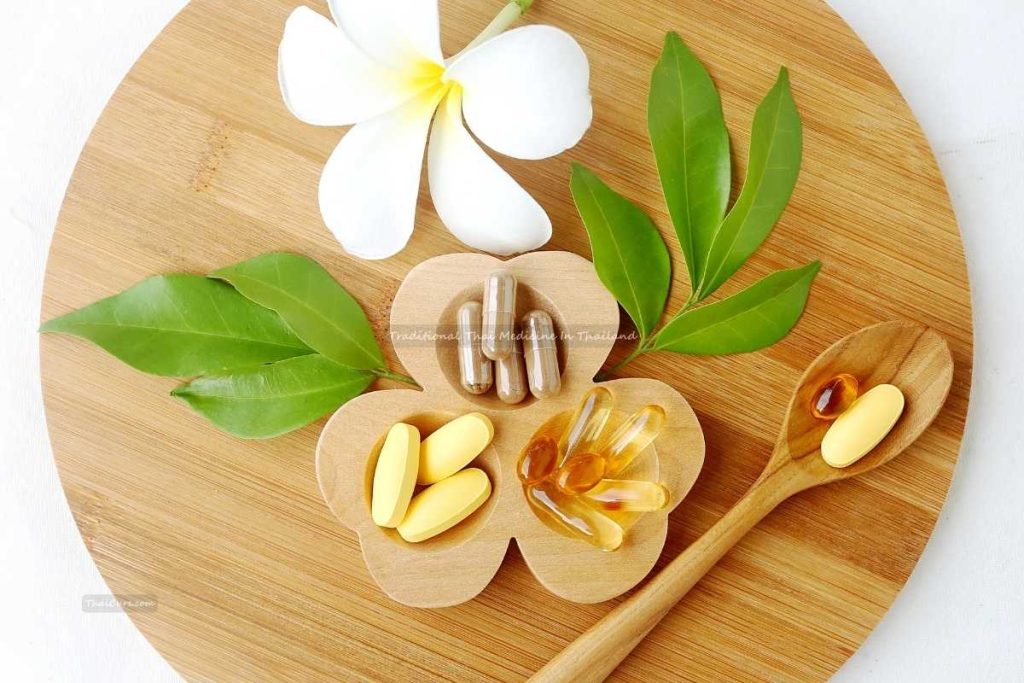
This guide introduces Traditional Thai Medicine in Thailand in a practical and balanced way. It explains its main branches, common treatments, cultural background, herbal products, clinics, practitioner selection, safety, and the difference between wellness services and professional healthcare.
Traditional medicine should not automatically replace medical diagnosis or emergency care. Anyone with severe, persistent, or unexplained symptoms should seek appropriate medical assistance.
👉 “Visitors interested in practical wellness advice may also explore these Easy Ways To Stay Healthy While Visiting Bangkok for everyday travel health tips.”
What Is Traditional Thai Medicine?
Traditional Thai Medicine in Thailand is a system of knowledge and practice that developed through generations of local experience, written medical texts, community traditions, herbal knowledge, spiritual influences, and contact with other Asian healing systems.
It takes a broad view of health and may consider daily habits, food, movement, rest, age, climate, occupation, and individual characteristics. Traditional practitioners may use questioning, observation, touch, herbal knowledge, massage, or other traditional methods when assessing a client.
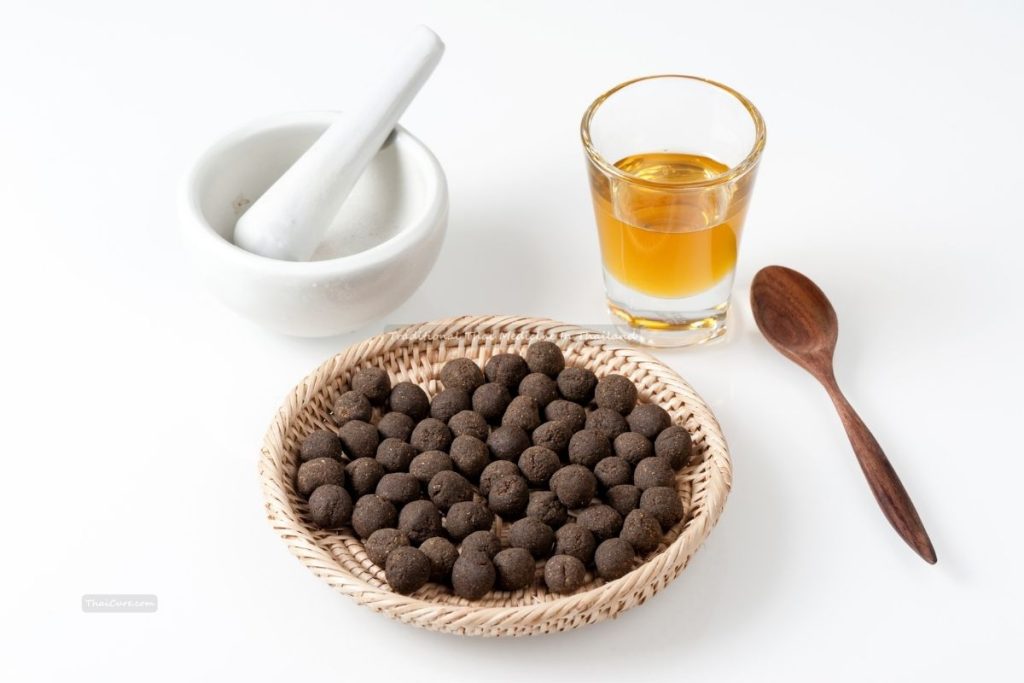
The World Health Organization describes traditional medicine generally as healthcare knowledge, practices, and philosophies that developed in historical and cultural settings before modern biomedicine. WHO also emphasises the importance of research, appropriate regulation, safety, evidence, sustainability, and responsible integration into health systems.
Traditional Thai Medicine in Thailand may be offered in public hospitals, specialist clinics, private practices, wellness centres, pharmacies, educational institutions, spas, and community settings. The level of clinical care, practitioner training, and regulation can vary, so visitors should understand what type of service they are choosing.
The Main Areas Of Thai Traditional Medicine
Thai traditional practice is often described through four main professional areas. These areas can overlap, but each has a different purpose.
They include:
- Thai traditional medical practice
- Thai traditional pharmacy
- Thai traditional midwifery
- Thai massage
Understanding these areas helps visitors see why Traditional Thai Medicine in Thailand should not be reduced to massage alone.
Thai Traditional Medical Practice
Thai traditional medical practice includes traditional ways of assessing symptoms and planning care. A practitioner may ask about sleep, digestion, appetite, pain, movement, daily routines, previous health concerns, and environmental factors.
Depending on training, setting, and the client’s needs, care may involve:
- Lifestyle guidance
- Food-related advice
- Herbal preparations
- External herbal applications
- Massage
- Herbal compresses
- Steam or heat-based treatments
- Follow-up assessments
A professional consultation should include questions about current symptoms, medication, allergies, pregnancy, recent injuries, and diagnosed health conditions.
Traditional assessment is not the same as modern laboratory testing, medical imaging, or emergency diagnosis. A responsible practitioner should recognise when a client needs referral to a physician, hospital, or another qualified healthcare professional.
Thai Traditional Pharmacy
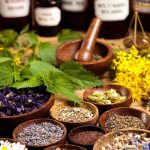
Thai traditional pharmacy focuses on the identification, preparation, storage, combination, and appropriate use of medicinal ingredients.
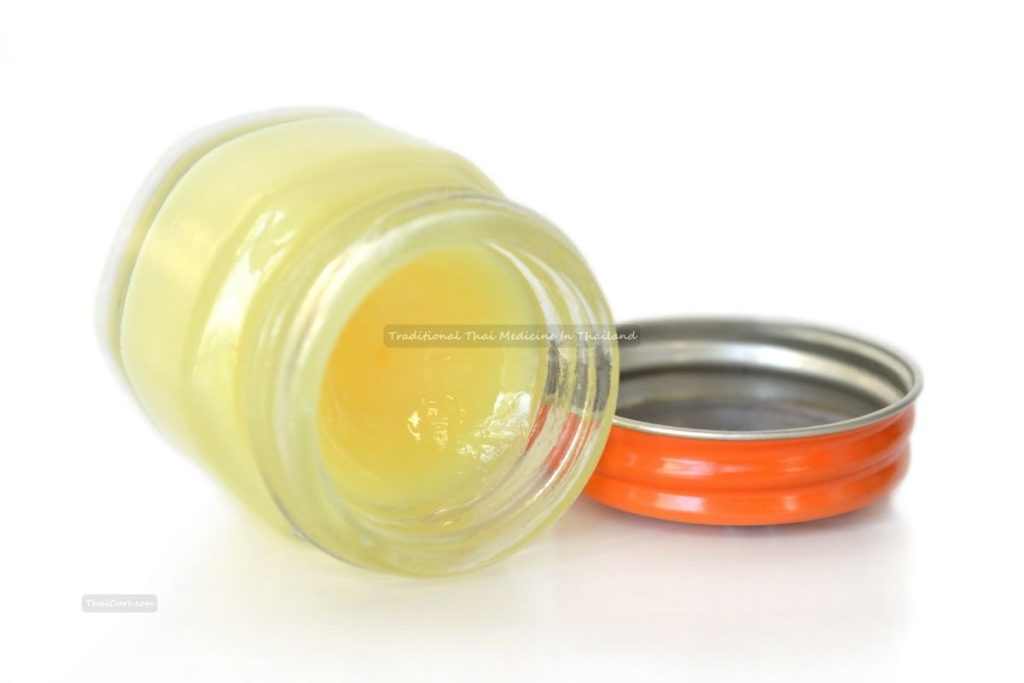
Traditional preparations may use:
- Leaves
- Roots
- Bark
- Flowers
- Fruit
- Seeds
- Rhizomes
- Minerals
- Oils
- Balms
- Powders
- Dried herbal mixtures
Some products contain one main herb, while others use combinations of several ingredients. Preparations may be made as teas, capsules, powders, balms, oils, inhalers, compress mixtures, or external applications.
Thai herbal medicine should not be treated as automatically harmless because it is natural. Herbs may cause allergic reactions, interact with medication, affect existing health conditions, or be unsuitable during pregnancy.
When buying herbal products connected with Traditional Thai Medicine in Thailand, choose clearly labelled items from reliable pharmacies, hospitals, registered clinics, or established manufacturers. Avoid products with missing ingredient lists, unclear directions, exaggerated promises, or damaged packaging.
Thai Traditional Midwifery
Traditional Thai midwifery includes knowledge historically connected with pregnancy, childbirth, postpartum recovery, infant care, food, warmth, herbs, and family support.
Some traditional postpartum practices may include:
- Warm compresses
- Herbal steam
- Traditional massage
- Herbal bathing
- Food guidance
- Rest and recovery routines
- External herbal applications
Pregnancy and the postpartum period require additional care because some herbs, massage techniques, heat treatments, and pressure points may not be appropriate.
Pregnant visitors should not book an ordinary massage without informing the provider. They should choose a practitioner specifically trained in pregnancy-related care and follow medical advice from their maternity healthcare provider.
Traditional customs can provide cultural meaning and comfort, but they should not delay necessary prenatal, childbirth, or postpartum medical care.
Thai Massage
Thai massage, commonly known as Nuad Thai, is one of the best-known parts of Traditional Thai Medicine in Thailand. It may involve rhythmic pressure, assisted movement, stretching, compression, and work along traditional pathways described in Thai healing theory.
Unlike many oil massages, traditional Thai massage is often performed through comfortable clothing on a floor mat. However, methods differ between practitioners and establishments.
A session may focus on:
- General relaxation
- Tired muscles
- Stiffness
- Movement
- Physical comfort
- Traditional wellness routines
Pressure should be adjusted to the client. Stronger is not always better, and painful pressure should not be treated as proof that the massage is effective.
Tell the practitioner immediately if you experience sharp pain, numbness, dizziness, breathing difficulty, or unusual discomfort.
The Meaning Of Nuad Thai
Nuad Thai refers to the established tradition of Thai massage rather than every massage service available in Thailand.
Professional Thai massage may require knowledge of:
- Traditional techniques
- Body positioning
- Safe pressure
- Assisted stretching
- Client assessment
- Contraindications
- Hygiene
- Appropriate draping
- Referral when massage is unsuitable
WHO materials describe Thai massage and heated herbal compresses as recognised parts of Thai traditional healthcare and note their incorporation into Thailand’s health system.
Tourist areas may also offer foot massage, oil massage, aromatherapy, spa massage, and mixed techniques. These can be enjoyable wellness services, but they are not all identical to clinical or professionally assessed Traditional Thai Medicine in Thailand.
Thai Herbal Compresses
A Thai herbal compress is commonly known as luk prakob. It is usually made by placing herbs inside cloth, tying the cloth into a bundle, and warming or steaming it before application.
Ingredients may include:
- Plai
- Lemongrass
- Turmeric
- Kaffir lime peel
- Tamarind leaves
- Camphor
- Salt
- Other aromatic herbs
The exact recipe depends on the producer, practitioner, and intended use.
The warm compress is pressed or rolled carefully over selected areas. People often choose it for warmth, aroma, relaxation, or physical comfort.
A compress must not be applied when it is too hot. Extra caution is needed for people with reduced sensation, sensitive skin, diabetes, circulation concerns, recent injuries, or conditions affected by heat.
Herbal compresses should not be applied over open wounds, active skin infections, or areas of unexplained inflammation without suitable professional guidance.
Herbal Steam And Traditional Baths
Herbal steam treatments and baths may use aromatic plants to create a warm, relaxing environment. They may be available in spas, wellness centres, traditional clinics, and some hospitals.
Common aromatic ingredients can include:
- Lemongrass
- Kaffir lime
- Turmeric
- Plai
- Tamarind leaves
- Pandan
- Local herbal blends
The experience may feel soothing, but strong heat is not suitable for everyone. People with cardiovascular concerns, uncontrolled blood pressure, fever, dehydration, pregnancy, or heat sensitivity should seek appropriate advice before using steam treatments.
Drink water, limit the session, and leave immediately if you feel dizzy, weak, nauseated, or short of breath.
Traditional Thai Medicine in Thailand often uses warmth as part of wellness care, but safe temperature and suitable client assessment remain important.
Thai Herbal Balms And Oils
Herbal balms and massage oils are widely available in Thailand. They may contain menthol, camphor, plai, lemongrass, eucalyptus, or other aromatic ingredients.
They are commonly used externally for:
- Massage
- Cooling or warming sensations
- Tired muscles
- Aromatic comfort
- Insect bites
- General relaxation
Read the label carefully before use. Some balms are strong and may irritate sensitive skin.
Avoid applying them:
- Near the eyes
- Inside the nose or mouth
- On broken skin
- Over active rashes
- In large amounts on children
- Under tight coverings unless directed
- Together with additional heat unless suitable
Test a small area first if you have sensitive skin. Stop using the product if redness, burning, swelling, or another reaction develops.
Herbal Inhalers
Small herbal inhalers are common in Thailand and are often carried for their strong aroma and cooling sensation. Ingredients may include menthol, camphor, eucalyptus, borneol, or aromatic herbs.
These products may feel refreshing, but they do not replace medical care for breathing problems, faintness, chest pain, or severe dizziness.
Do not share personal nasal inhalers because this may spread germs. Follow the label, avoid excessive use, and keep strong products away from young children.
Herbal inhalers are a familiar part of everyday Thai wellness culture, but they represent only a small part of Traditional Thai Medicine in Thailand.
Food And Traditional Wellness
Food has an important place in Thai ideas about health and balance. Traditional guidance may consider flavour, warmth, season, digestion, local ingredients, and the individual’s condition.
Common foods and drinks associated with Thai wellness traditions include:
- Ginger drinks
- Lemongrass tea
- Pandan drinks
- Turmeric dishes
- Soups with herbs
- Fresh vegetables
- Seasonal fruit
- Mild rice dishes
- Herbal broths
A food or herbal drink should not be described as a guaranteed cure. The effect of an ingredient depends on preparation, quantity, health status, medication, and individual response.
Sweetened herbal drinks can also contain substantial sugar. Visitors who monitor blood sugar or calorie intake should check how the drink is prepared.
Enjoying traditional foods can be part of learning about Traditional Thai Medicine in Thailand, but general dietary variety remains important.
Where To Experience Traditional Thai Medicine
Visitors may encounter Traditional Thai Medicine in Thailand in several settings.
These include:
- Public hospitals
- University hospitals
- Specialist traditional medicine hospitals
- Licensed private clinics
- Community health facilities
- Registered pharmacies
- Educational institutions
- Wellness centres
- Massage schools
- Hotels and spas
The type of service matters. A spa may focus on relaxation, while a hospital or clinical facility may offer health assessment and coordinated care.
WHO documented in 2025 that traditional medicine services at Thammasat University Hospital were being provided alongside biomedical assessment, including massage, herbal preparation, compresses, and other treatments. This is one example of integrated care rather than proof that every Thai facility operates in the same way.
Ask what kind of facility you are visiting and what qualifications the practitioner holds.
How To Choose A Practitioner
A good practitioner should communicate clearly, ask relevant questions, explain the treatment, respect boundaries, and respond appropriately when a service is unsuitable.
Before booking, consider asking:
- What training does the practitioner have?
- Is the clinic or establishment properly registered?
- What treatment is being offered?
- What should the treatment feel like?
- Are there reasons I should avoid it?
- What ingredients are in the herbal product?
- How long will the session last?
- What is the full price?
- Can the pressure or technique be adjusted?
- Will I have privacy during treatment?
A trustworthy provider should not guarantee a cure, pressure you into buying products, or advise you to stop necessary medication without involvement from an appropriately qualified medical professional.
Professional standards are particularly important when seeking Traditional Thai Medicine in Thailand for pain, rehabilitation, pregnancy, ongoing illness, or symptoms that have not been diagnosed.
What To Tell The Practitioner
Provide relevant health information before treatment.
Mention:
- Pregnancy
- Recent surgery
- Broken bones
- Joint replacement
- Osteoporosis
- Blood-thinning medication
- Skin infections
- Fever
- Numbness
- Diabetes
- Heart conditions
- High or low blood pressure
- Allergies
- Current medication
- Severe or unexplained pain
This information helps the practitioner decide whether to adjust, postpone, or avoid a treatment.
Do not hide a medical condition because you are worried the appointment may be cancelled. A responsible decision is more important than completing a planned treatment.
When Thai Massage May Be Unsuitable
Thai massage may not be suitable during certain illnesses, injuries, or medical situations.
Extra caution may be needed with:
- Recent fractures
- Acute injuries
- Severe inflammation
- Fever
- Active infection
- Blood clots
- Uncontrolled health conditions
- Recent surgery
- Advanced osteoporosis
- Certain spinal problems
- Pregnancy
- Unexplained swelling
- Severe pain
This does not mean that everyone with a health condition must avoid all massage. It means the service should be discussed with an appropriate healthcare professional and adjusted by a properly trained practitioner.
Traditional Thai Medicine in Thailand should be practised with screening and reasonable safety precautions, not as a one-size-fits-all treatment.
Safety With Herbal Products
Herbal products can have real biological effects. This means they can also cause side effects or interactions.
Take extra care when:
- Using prescription medication
- Taking blood thinners
- Preparing for surgery
- Managing liver or kidney conditions
- Living with diabetes
- Managing blood pressure
- Pregnant or breastfeeding
- Giving products to children
- Combining several herbal products
Do not assume that a product is safe simply because it is sold in a market, spa, or souvenir shop.
Look for:
- A clear product name
- A complete ingredient list
- Directions for use
- Warnings
- Manufacturer information
- Expiry date
- Intact packaging
- Appropriate registration information
Thailand has developed pharmacovigilance systems for monitoring adverse events connected with traditional medicine products, reflecting the importance of reporting and managing safety concerns.
Stop using a product and seek help if you develop swelling, breathing difficulty, a severe rash, faintness, or another serious reaction.
Traditional Medicine And Modern Healthcare
Traditional and modern healthcare do not always need to be treated as opposites. In some settings, Traditional Thai Medicine in Thailand is offered alongside biomedical services.
For example, a patient may receive medical examination or imaging before being referred for an appropriate traditional treatment. This can help identify when massage or another physical therapy is suitable and when different care is needed.
WHO has highlighted the growing integration of traditional medicine within health systems, while also emphasising evidence, regulation, safety, and quality. Thailand has included certain Thai traditional medicine services within its public health benefit system, although eligibility and available services depend on the facility and scheme.
Visitors should not assume that every traditional service is medically supervised. Ask whether the provider is a spa, clinic, hospital department, pharmacy, or independent practitioner.
Wellness Claims To Treat Carefully
Be cautious when a product or provider promises to:
- Cure every illness
- Replace all prescribed medication
- Remove toxins instantly
- Guarantee rapid weight loss
- Treat serious disease without medical care
- Produce permanent results after one session
- Work equally well for everyone
- Have no possible side effects
Such claims should be treated carefully, even when they use traditional language or natural ingredients.
Traditional Thai Medicine in Thailand has cultural and practical value, but responsible use requires realistic expectations.
Respecting The Cultural Background
Thai traditional healing is connected with teachers, family knowledge, temples, local communities, traditional texts, herbal gardens, and generations of practice.
Visitors can show respect by:
- Listening carefully
- Asking before photographing treatments
- Following clinic or temple rules
- Dressing appropriately
- Avoiding jokes about traditional beliefs
- Paying fairly for professional services
- Buying herbs responsibly
- Learning without claiming expertise
- Respecting intellectual and community knowledge
Traditional wellness should not be treated only as an exotic tourist experience. It remains part of living Thai culture and, in some settings, part of organised healthcare.
Simple Tips For Visitors
Before trying Traditional Thai Medicine in Thailand:
- Decide whether you want relaxation or clinical care
- Research the provider
- Check practitioner qualifications
- Explain your health history
- Ask what the treatment includes
- Request lighter pressure when needed
- Read herbal product labels
- Avoid exaggerated health claims
- Keep emergency and insurance details available
- Seek medical help for serious symptoms
During treatment:
- Speak up about pain
- Report dizziness or numbness
- Ask for clarification
- Maintain personal boundaries
- Stop the treatment if you feel unsafe
After treatment:
- Rest if needed
- Drink water normally
- Follow appropriate instructions
- Monitor unexpected reactions
- Seek help if serious symptoms appear
Common Mistakes To Avoid
Common mistakes include:
- Assuming every massage shop offers clinical Thai medicine
- Choosing the strongest pressure
- Hiding injuries or medication
- Buying unlabelled herbal products
- Using several remedies at once
- Expecting immediate cures
- Treating severe symptoms at a spa
- Applying a compress that is too hot
- Using herbal products during pregnancy without advice
- Stopping prescribed medicine without medical guidance
- Assuming natural always means safe
- Ignoring allergic reactions
A safer experience begins with clear information and realistic expectations.
👉 “Readers interested in traditional healing practices may also explore the Understanding Herbs, Cannabis And Thai Medicine for additional background and context.”
Conclusion
Traditional Thai Medicine in Thailand is a broad healthcare and wellness tradition that includes medical practice, pharmacy, midwifery, massage, herbal preparations, compresses, heat treatments, and lifestyle guidance.
Thai massage may be its best-known element, but it represents only one part of the system. Herbal pharmacy, professional assessment, traditional maternal care, and the responsible use of local ingredients are also important.
Visitors can experience Traditional Thai Medicine in Thailand through hospitals, clinics, pharmacies, educational institutions, wellness centres, spas, and massage schools. The best choice depends on whether the goal is relaxation, cultural learning, general wellness, or professional healthcare.
Choose qualified providers, explain relevant health conditions, read product labels, and be careful with promises that sound unrealistic. Traditional care can complement suitable modern healthcare, but it should not delay emergency treatment or necessary diagnosis.
Approached with respect, curiosity, and sensible safety precautions, Traditional Thai Medicine in Thailand can offer valuable insight into Thai culture, wellness traditions, herbal knowledge, and the country’s evolving healthcare system.
FAQ
What Is Traditional Thai Medicine In Thailand?
Traditional Thai Medicine in Thailand is a system that includes traditional medical practice, herbal pharmacy, traditional midwifery, and Thai massage. It may also involve herbal compresses, steam treatments, external preparations, and lifestyle guidance.
Is Thai Massage The Same As Traditional Thai Medicine?
Thai massage is one major part of the tradition, but the complete system also includes traditional assessment, herbal pharmacy, maternal care, and other treatments.
What Is A Thai Herbal Compress?
A Thai herbal compress is a cloth bundle filled with herbs and warmed with steam. It is carefully applied to selected areas for warmth, aroma, relaxation, and physical comfort.
Are Thai Herbal Products Safe?
Some products may be suitable when used correctly, but natural products can still cause side effects, allergic reactions, or medication interactions. Choose clearly labelled products and seek professional advice when needed.
Can Traditional Thai Medicine Replace Hospital Care?
It should not replace emergency treatment, necessary diagnosis, surgery, or care for serious illness. In some Thai hospitals, traditional services are offered alongside modern healthcare.
How Can I Choose A Good Thai Traditional Practitioner?
Look for appropriate qualifications, clear communication, proper assessment, clean facilities, realistic explanations, and respect for personal boundaries. Avoid providers who promise guaranteed cures.
Can Pregnant Visitors Have Thai Massage?
Pregnant visitors should not book an ordinary session without telling the provider. They should consult their maternity healthcare professional and choose someone specifically trained in pregnancy-related massage.
What Should I Tell A Practitioner Before Treatment?
Mention pregnancy, injuries, surgery, medication, allergies, skin conditions, osteoporosis, blood-thinning treatment, heart conditions, diabetes, numbness, and any severe or unexplained symptoms.
Where Can Visitors Find Traditional Thai Medicine?
Services may be available in hospitals, licensed clinics, pharmacies, universities, wellness centres, massage schools, hotels, and spas. Clinical care and relaxation services should not be assumed to be the same.
Is Strong Thai Massage Better?
No. Excessive pressure can cause pain or injury. The practitioner should adjust the pressure, and you should speak up immediately if anything feels sharp, numb, dizzying, or unsafe.


