
- Introduction
- What Thai Herbal Medicine May Include
- Traditional Knowledge And Modern Products Are Not Identical
- Common Culinary Herbs In Thai Wellness Traditions
- Thai Herbal Teas And Drinks
- Herbal Compresses
- Herbal Steam, Baths, And Foot Soaks
- Herbal Balms, Oils, And Topical Products
- Thai Traditional Massage And Herbal Care
- Product Quality Matters
- What To Check On A Product Label
- Be Careful With Medical Claims
- Herbs Can Interact With Medicines
- People Who Should Take Extra Care
- Qualified Practitioners Matter
- Traditional Care Should Not Delay Urgent Treatment
- Wellness And Medical Treatment Are Different
- Building A Simple Wellness Routine
- Buying Herbal Products Online
- Storing Herbal Products Safely
- Keeping Track Of What You Use
- Appreciating Thai Herbal Traditions Responsibly
- Conclusion
- FAQ
- What Is Thai Herbal Medicine?
- Is Thai Herbal Medicine The Same As Thai Massage?
- Are Natural Herbal Products Always Safe?
- Can Herbal Products Be Used With Prescription Medicine?
- What Should I Check Before Buying A Herbal Product?
- Can Herbal Remedies Replace Medical Treatment?
- Are Thai Herbal Compresses Safe?
- Who Should Be Careful With Herbal Products?
- How Can I Find A Responsible Practitioner?
- What Is The Best Way To Explore Thai Herbal Wellness?
Introduction
Thailand has a long history of using plants, food ingredients, massage, heat, bathing, and other traditional practices as part of everyday care. Today, Thai herbal medicine and wellness may refer to anything from professionally prepared herbal products to herbal compresses, steam treatments, teas, balms, and household wellness routines.
These traditions remain culturally important, but traditional does not automatically mean risk-free or scientifically proven for every claimed purpose. The World Health Organization distinguishes traditional medicine from conventional medical care while emphasizing the need for quality, safety, evidence, appropriate regulation, and trained practitioners.
For readers exploring Thai herbal medicine and wellness, the most useful approach is balanced and practical. It is possible to appreciate traditional knowledge while checking product quality, understanding limitations, avoiding exaggerated promises, and seeking professional advice when symptoms are serious or persistent.
This guide explains common forms of Thai herbal care, how products may be prepared, what to check before buying them, how herbs may interact with medicines, and how to include traditional wellness practices responsibly.
👉 “Readers interested in gentle wellness practices may also explore these simple breathing and relaxation exercises for beginners for additional ways to support calm and everyday balance.”
What Thai Herbal Medicine May Include
Thai herbal care is broader than swallowing capsules or drinking tea. Depending on the setting, it may include:
- Herbal preparations taken by mouth
- Herbal balms and oils
- Herbal compresses
- Steam treatments
- Herbal baths and foot soaks
- Traditional massage combined with herbal products
- Food-based wellness traditions
- Professionally prescribed traditional formulations
- Commercial herbal health products
Thailand’s Food and Drug Administration describes herbal products as products derived from natural materials that may be mixed, compounded, or processed into different preparations. Thai regulations also distinguish among categories such as traditional-knowledge medicines and well-established herbal medicines.
This means that products associated with Thai herbal medicine and wellness can differ greatly in purpose, strength, quality, preparation, and regulatory status.
Traditional Knowledge And Modern Products Are Not Identical
A traditional household preparation and a manufactured herbal product are not necessarily equivalent.
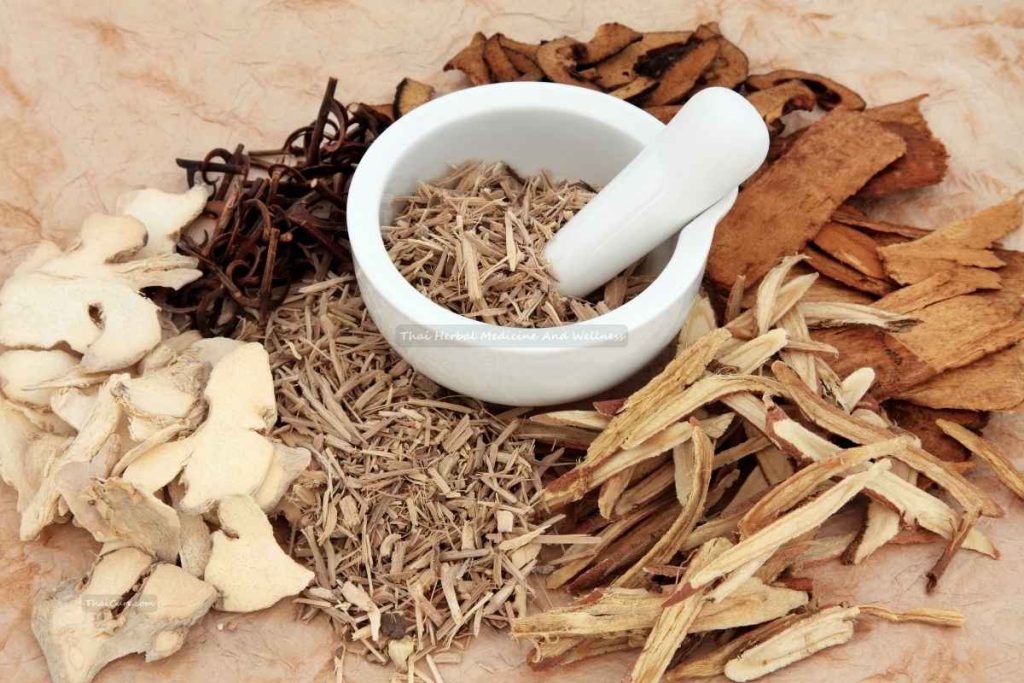
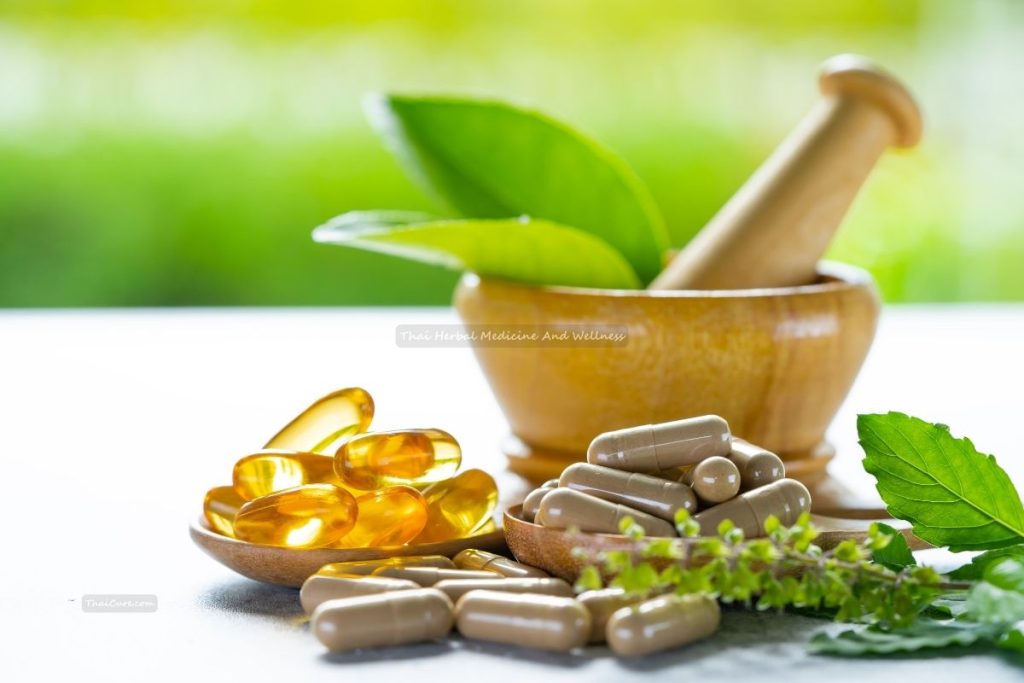
A family may prepare a mild herbal drink using familiar culinary ingredients. A commercial capsule, concentrated extract, or tincture may deliver a much larger and more consistent amount of plant compounds.
The form matters because concentration affects exposure.
Examples include:
- A fresh herb used in cooking
- A mild infusion
- A dried herbal powder
- A concentrated extract
- An essential oil
- A multi-herb formulation
- A topical balm
Two products bearing the same herb name may not have the same strength or intended use.
When considering Thai herbal medicine and wellness, look beyond the front label. Check the preparation type, serving instructions, ingredient quantity, warnings, manufacturer, and intended purpose.
Common Culinary Herbs In Thai Wellness Traditions
Many plants associated with Thai wellness are also familiar cooking ingredients.
Examples may include:
- Lemongrass
- Ginger
- Galangal
- Turmeric
- Kaffir lime
- Pandan
- Holy basil
- Thai basil
- Garlic
- Shallots
- Tamarind
- Various citrus fruits
Their presence in food does not automatically prove that concentrated products made from them can treat illnesses. Culinary use and medicinal use should be considered separately.
In everyday Thai herbal medicine and wellness, food-based traditions may offer a gentle way to enjoy aroma, flavor, warmth, and cultural connection without making strong medical claims.
Thai Herbal Teas And Drinks
Herbal drinks are among the most approachable traditional preparations.
They may be made by:
- Infusing leaves or flowers
- Simmering roots or stalks
- Boiling dried ingredients
- Combining herbs with water and mild sweeteners
- Serving drinks hot or chilled
A simple beverage may provide hydration, aroma, and enjoyment. However, strong teas or concentrated mixtures can still cause problems for some people.
Important questions include:
- Which plant is being used?
- Which part of the plant is included?
- How concentrated is the drink?
- How often is it consumed?
- Is sugar added?
- Could it affect medication?
- Is it suitable during pregnancy or for children?
Responsible Thai herbal medicine and wellness avoids assuming that unlimited consumption is safe simply because a drink is described as natural.
Herbal Compresses
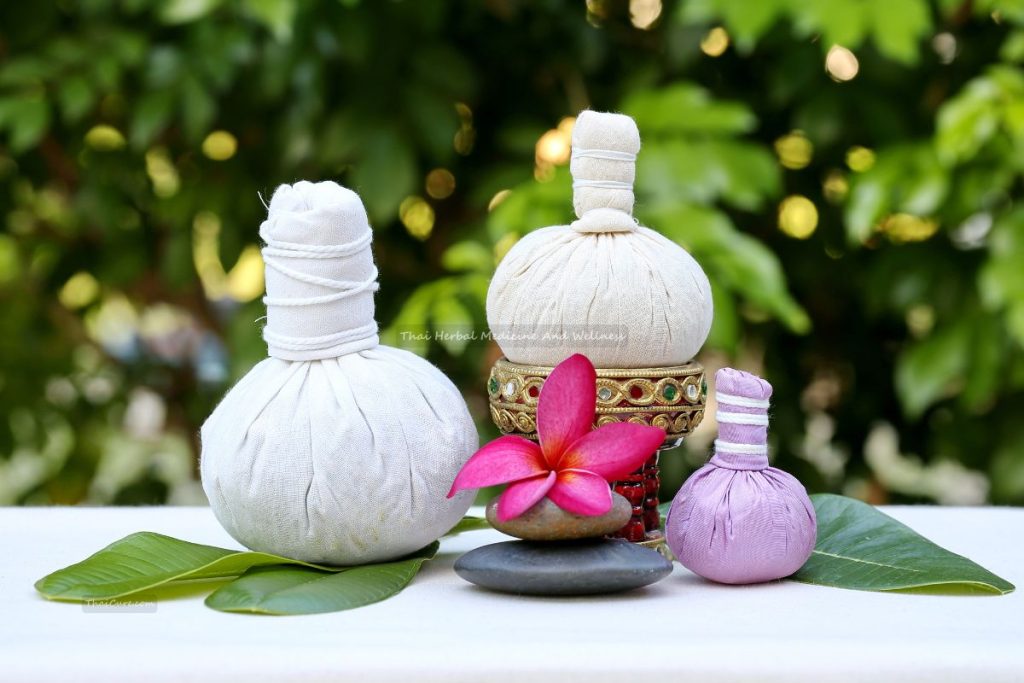
A Thai herbal compress commonly contains herbs wrapped in cloth and warmed before application to the body.
The warmth, pressure, fragrance, and moisture can create a relaxing experience. Compresses may be used in spas, massage settings, wellness centres, or traditional care environments.
A compress may contain combinations of ingredients such as:
- Lemongrass
- Turmeric
- Kaffir lime
- Tamarind leaves
- Camphor-containing materials
- Other locally used herbs
Exact formulas vary.
Safe handling matters because an overheated compress can burn the skin. People with reduced sensation, circulation problems, fragile skin, recent injuries, or certain medical conditions should seek professional advice before using strong heat.
In Thai herbal medicine and wellness, the method of application can be just as important as the herbs themselves.
Herbal Steam, Baths, And Foot Soaks
Herbal steam and bathing traditions may combine warm water or steam with fragrant plants.
People may use them for:
- Relaxation
- Personal-care routines
- Fragrance
- A warming sensation
- Post-activity comfort
- Cultural wellness experiences
These practices should not be presented as cures for serious conditions.
Steam and hot water also require sensible precautions. Very high heat may cause burns, dizziness, dehydration, or discomfort. Anyone feeling faint, short of breath, or unwell should stop immediately.
For a gentle approach to Thai herbal medicine and wellness, keep the temperature comfortable, limit the duration, ensure good ventilation, and avoid applying irritating herbs to damaged skin.
Herbal Balms, Oils, And Topical Products
Topical herbal products are widely used for massage, fragrance, cooling or warming sensations, and general comfort.
They may contain:
- Plant extracts
- Menthol
- Camphor
- Essential oils
- Carrier oils
- Waxes
- Fragrant herbs
Topical does not mean harmless.
Some products can irritate sensitive skin, eyes, or airways. Essential oils can be especially concentrated and should not be swallowed or applied undiluted unless a product is specifically formulated and labelled for that use.
Before applying a new product:
- Read the instructions
- Check the ingredient list
- Avoid the eyes and broken skin
- Use only the recommended amount
- Stop if irritation develops
- Keep it away from small children
These steps make Thai herbal medicine and wellness routines more responsible.
Thai Traditional Massage And Herbal Care
Traditional Thai massage may be offered on its own or combined with compresses, balms, oils, or heat.
Massage can be part of a general relaxation or wellness routine, but not every technique is suitable for every person.
Tell the practitioner about:
- Recent injuries
- Painful swelling
- Surgery
- Pregnancy
- Skin problems
- Blood-thinning medicine
- Significant health conditions
- Any movement that causes pain
A qualified practitioner should explain the service, listen to concerns, respect boundaries, and adjust pressure when requested.
A wellness service should never require enduring severe pain.
Product Quality Matters
Herbal products can vary in identity, purity, strength, storage, and manufacturing quality.
Potential concerns may include:
- Incorrect plant identification
- Contamination
- Undeclared ingredients
- Unclear strength
- Poor storage
- Misleading claims
- Missing instructions
- Expired products
WHO guidance places strong emphasis on the quality, safety, and appropriate evaluation of herbal medicines. Thailand also regulates herbal-product manufacture, presentation, use instructions, quality, and safety through its health-product framework.
When buying products connected to Thai herbal medicine and wellness, choose transparent sellers and products with clear labels rather than anonymous mixtures with uncertain contents.
What To Check On A Product Label
Before buying or using a herbal product, look for:
- Complete product name
- Ingredient list
- Amount or concentration
- Directions for use
- Warnings
- Expiry date
- Batch or lot information
- Manufacturer or importer
- Storage instructions
- Registration or notification details where applicable
- Contact information
Avoid relying only on attractive packaging, traditional imagery, influencer recommendations, or customer testimonials.
A responsible product should explain what it contains and how it is meant to be used.
Be Careful With Medical Claims
Warning signs include claims that a product:
- Cures many unrelated illnesses
- Works immediately for everyone
- Replaces all prescribed medicine
- Has no possible side effects
- Is safe at any dose
- Requires no diagnosis
- Is being hidden by doctors or regulators
Such claims deserve caution.
Traditional knowledge may inspire useful research and wellness practices, but evidence can vary by product, preparation, dose, and intended use. WHO’s work on traditional medicine repeatedly emphasizes evidence, safety, quality, and appropriate integration with health systems.
A balanced Thai herbal medicine and wellness article should not turn cultural traditions into guaranteed medical promises.
Herbs Can Interact With Medicines
Herbal products may alter the effects of prescription medicines, non-prescription medicines, or other supplements.
Possible concerns include changes in:
- Bleeding risk
- Drowsiness
- Blood pressure
- Blood sugar
- Liver processing
- Kidney function
- Medicine absorption
- Drug concentration
WHO has published technical guidance specifically addressing interactions between herbal medicines and other medicines, reflecting the importance of informed concurrent use.
Speak with a doctor or pharmacist before combining concentrated herbal products with regular medication, especially when taking medicine for a long-term condition.
People Who Should Take Extra Care
Professional advice is particularly important for:
- Pregnant or breastfeeding people
- Children
- Older adults
- People preparing for surgery
- Anyone taking several medicines
- People with liver or kidney conditions
- People with allergies
- People with chronic health conditions
- Anyone who previously reacted to an herbal product
A product suitable for one healthy adult may not be suitable for someone else.
Responsible Thai herbal medicine and wellness should always consider the individual rather than assuming one remedy works safely for everyone.
Qualified Practitioners Matter
A trained professional should be able to explain:
- Their qualifications
- The purpose of the treatment
- The ingredients being used
- How the product is prepared
- Possible risks
- How long it should be used
- When to stop
- When medical referral is necessary
Be cautious when a practitioner refuses to disclose ingredients, discourages all conventional care, or guarantees results.
Thailand has a Department of Thai Traditional and Alternative Medicine and a regulatory framework covering traditional medicine and herbal products.
Choosing a transparent and appropriately qualified provider is one of the most important decisions in Thai herbal medicine and wellness.
Traditional Care Should Not Delay Urgent Treatment
Herbal or wellness practices should not delay medical assessment for serious symptoms.
Urgent professional care may be necessary for:
- Difficulty breathing
- Chest pain
- Severe allergic reactions
- Fainting
- Sudden weakness
- Serious injury
- Persistent high fever
- Severe dehydration
- Confusion
- Rapidly worsening symptoms
Traditional practices may complement appropriate care in some situations, but they should not be used as a reason to ignore danger signs.
Wellness And Medical Treatment Are Different
A wellness practice may support relaxation, comfort, cultural connection, or a daily self-care routine.
Medical treatment aims to diagnose, prevent, manage, or treat a health condition.
Confusing these categories can lead to unrealistic expectations.
Examples of wellness language include:
- May feel relaxing
- Traditionally used
- Provides a warming sensation
- Adds fragrance to a bath
- Can be part of a personal-care routine
Stronger statements such as “treats,” “prevents,” or “cures” require appropriate evidence and regulatory support.
Clear language helps readers understand Thai herbal medicine and wellness without exaggerating what a product or practice can do.
Building A Simple Wellness Routine
A cautious routine may focus on low-risk, non-medical habits such as:
- Enjoying culinary herbs in balanced meals
- Drinking adequate water
- Taking comfortable baths
- Practising gentle movement
- Getting enough sleep
- Using mild aromas
- Taking breaks from prolonged sitting
- Choosing qualified massage providers
- Reading product labels carefully
Herbs should not replace basic health habits.
The most useful approach combines cultural appreciation with realistic expectations.
Buying Herbal Products Online
Online shopping makes herbal products easy to find, but it can also make quality harder to judge.
Before purchasing:
- Check the seller’s identity
- Read the full label
- Look for regulatory information
- Avoid secret formulas
- Be cautious with dramatic health claims
- Check whether warnings are provided
- Avoid products with unclear ingredients
- Compare the actual product rather than testimonials
- Confirm how it should be stored
Extremely cheap products, hidden ingredients, and claims of guaranteed cures are reasons to pause.
Storing Herbal Products Safely
Storage can affect quality.
Follow the product instructions and generally keep products away from:
- Excessive heat
- Direct sunlight
- Moisture
- Contaminated containers
- Children and pets
Do not use a product when:
- The seal is broken unexpectedly
- The smell or color has changed
- Mold is visible
- The label is unreadable
- The expiry date has passed
- The contents cannot be identified
Proper storage is a simple but important part of Thai herbal medicine and wellness.
Keeping Track Of What You Use
When trying a new product, write down:
- Product name
- Ingredients
- Amount used
- Date started
- Reason for using it
- Other medicines or supplements
- Any unexpected reaction
This information can help a doctor, pharmacist, or traditional practitioner evaluate a possible interaction or side effect.
Avoid beginning several new products at the same time because it becomes difficult to identify which one caused a reaction.
Appreciating Thai Herbal Traditions Responsibly
Thai herbal traditions are connected to food, family knowledge, local plants, massage, community practice, and formal systems of traditional medicine.
They can be explored through:
- Museum and educational visits
- Qualified practitioner consultations
- Cooking
- Herb gardens
- Cultural wellness centres
- Responsible spa services
- Official educational materials
- Clearly labelled products
Respectful interest does not require believing every commercial claim.
The strongest approach to Thai herbal medicine and wellness combines cultural curiosity, product awareness, evidence, safety, and appropriate medical care.
👉 “Readers interested in Thai herbal wellness may also explore this broader introduction to traditional Thai medicine for more context on its history, principles, and common practices.”
Conclusion
Thai herbal medicine and wellness covers many traditions, products, and services. These may include herbal teas, compresses, balms, oils, steam treatments, baths, food-based practices, massage, and professionally prepared formulations.
The first step is to identify what type of product or practice is being considered. A culinary herb, concentrated extract, topical balm, and traditional formulation can have very different strengths and risks.
Check ingredient lists, instructions, warnings, expiry dates, manufacturers, storage guidance, and applicable regulatory details. Avoid anonymous mixtures and products promising guaranteed cures.
Herbs can interact with medicines, and concentrated products may not be suitable for children, pregnant people, older adults, people preparing for surgery, or those managing significant health conditions.
Qualified practitioners should explain what they are using, why they are using it, and when conventional medical assessment is needed.
Traditional wellness practices can be appreciated without exaggerating their effects. A herbal bath may be relaxing, a compress may provide warmth, and culinary herbs may add fragrance and flavor. These experiences are different from proving that a product treats a disease.
A responsible approach to Thai herbal medicine and wellness values tradition while prioritising transparency, realistic expectations, professional advice, and personal safety.
FAQ
What Is Thai Herbal Medicine?
It broadly refers to traditional knowledge and practices involving herbs and natural materials, including professionally prepared formulations, topical products, compresses, teas, and other preparations.
Is Thai Herbal Medicine The Same As Thai Massage?
No. They are distinct practices, although massage may sometimes be combined with herbal compresses, balms, oils, or heat.
Are Natural Herbal Products Always Safe?
No. Natural products may cause side effects, allergies, contamination risks, incorrect dosing, or interactions with medicines.
Can Herbal Products Be Used With Prescription Medicine?
Some combinations may interact. Speak with a doctor or pharmacist before combining concentrated herbal products with regular medication.
What Should I Check Before Buying A Herbal Product?
Check the ingredients, directions, warnings, expiry date, manufacturer, storage instructions, and applicable registration information.
Can Herbal Remedies Replace Medical Treatment?
They should not replace necessary diagnosis, prescribed treatment, or urgent medical care without guidance from a qualified healthcare professional.
Are Thai Herbal Compresses Safe?
They can be part of a wellness service, but the heat must be controlled. People with sensitive skin, reduced sensation, circulation problems, or recent injuries should take extra care.
Who Should Be Careful With Herbal Products?
Children, pregnant or breastfeeding people, older adults, people preparing for surgery, those taking several medicines, and people with chronic conditions should seek professional advice.
How Can I Find A Responsible Practitioner?
Look for clear qualifications, transparent explanations, disclosed ingredients, realistic claims, and a willingness to recommend medical referral when necessary.
What Is The Best Way To Explore Thai Herbal Wellness?
Begin with education, food-based traditions, clearly labelled products, qualified providers, and low-risk wellness practices rather than strong self-treatment claims.


